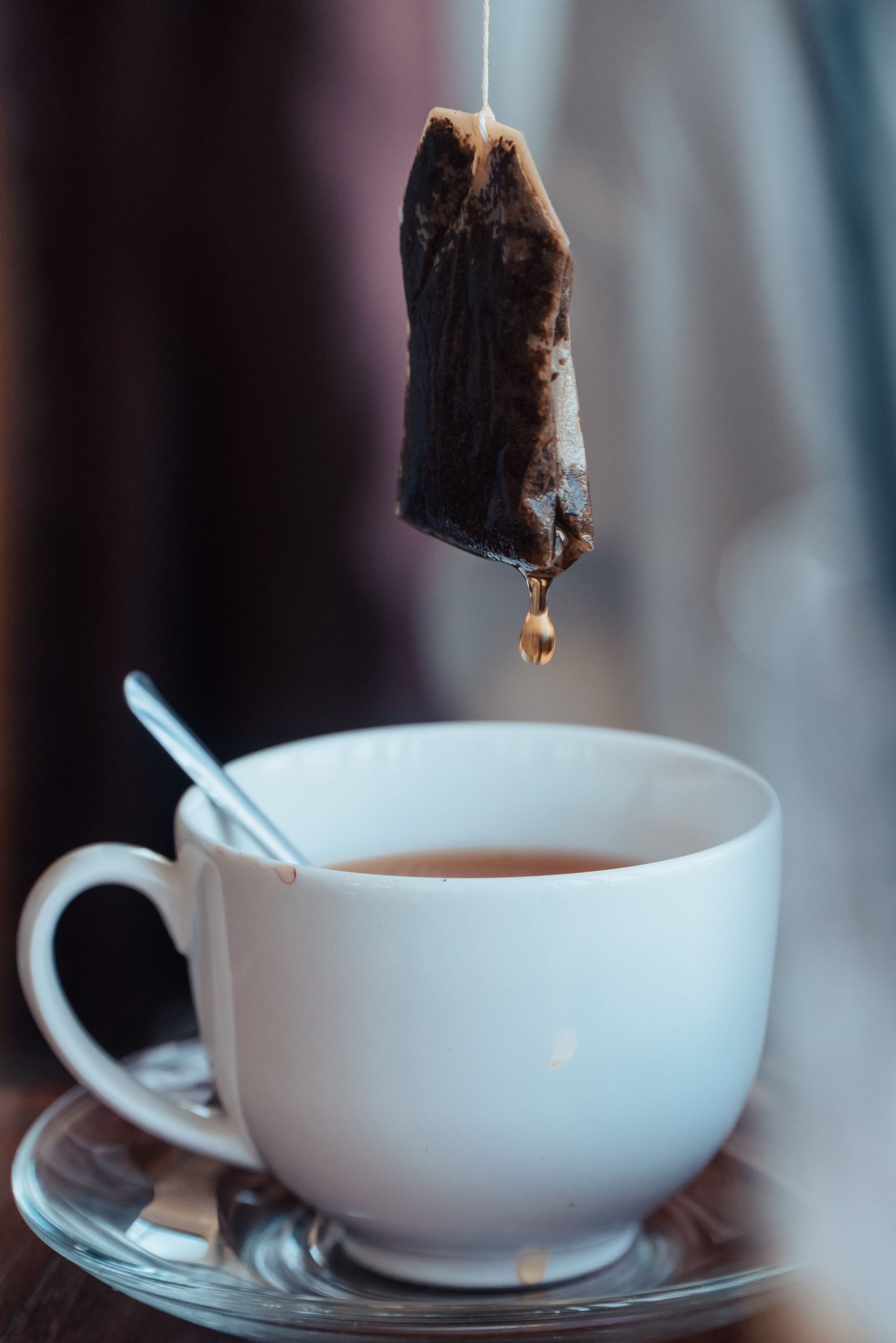
Which Tea Brands Use Plastic-Free Tea Bags? A 2026 Brand-by-Brand Guide
If you’re trying to find out which tea bags have microplastics, the answer depends on what the bag is made of and how its edges are sealed. That matters, because in 2019 researchers at McGill University steeped a single plastic tea bag in 95°C water and found it released 11.6 billion microplastics into the cup.
After researching this guide, my wife and I stopped buying tea bags. We now buy loose leaf tea in bulk and brew it in an all-glass teapot. The switch has saved us money, and the tea tastes stronger than it ever did from a bag.
You don’t have to throw out the tea you already own. Below we explain where the plastic in tea bags comes from and which brands make bags without it.
Which Tea Bags Have Microplastics?
The McGill researchers tested four commercial teas sold in nylon and PET bags. Along with the 11.6 billion microplastics, that one bag released 3.1 billion nanoplastics, according to the study published in Environmental Science & Technology.
A 2024 study from the Autonomous University of Barcelona, published in Chemosphere, measured bags made of polypropylene, nylon and cellulose. Polypropylene bags released about 1.2 billion particles per milliliter of tea, and nylon bags about 8 million. Even the cellulose bags, which aren’t plastic, released about 135 million particles per milliliter.
Most of the particles in the Barcelona study were nanoscale, smaller than a micrometer. In lab tests, human intestinal cells absorbed them, and some reached the cell nucleus. What daily exposure does to people over years is still unknown, which is reason enough to brew without a plastic bag.
Plastic gets into tea bags in two ways. Many paper bags are sealed with it, and many premium pyramid sachets are made from it.
Why Paper Tea Bags Can Contain Plastic
Most people assume a flat paper tea bag is 100% paper. However, SGS, a product testing company, estimates that plastic can make up roughly 25% of some tea bags, excluding the tea. Manufacturers add a thermoplastic called polypropylene (PP) to the paper so the edges can be heat-sealed.
The reason is speed. Tea bag lines seal millions of bags, and there’s no time to wait for glue to dry. Instead, hot metal plates clamp the edges for a fraction of a second, which melts the polypropylene and fuses the two sides together. So a completely plastic-free bag is hard to find, because even a brand using unbleached, natural paper may hold it together with a plastic seal.
Are Plant-Based (PLA) Tea Bags Plastic-Free?
When shoppers started asking for plastic-free tea bags, many brands switched to polylactic acid (PLA), a bioplastic made from cornstarch or sugarcane. You’ll often see it sold under the trademark Soilon.
Many premium brands label these bags “100% plant-based.” That’s true of the raw material, but it hides the fact that the bag you’re steeping is a plastic.
PLA starts as plant starch, but it’s processed into a polymer that behaves like plastic. It only breaks down in industrial composting facilities, which run at high heat with specific microbes. In a backyard compost bin it can sit for years, and in a landfill it acts like conventional plastic.
PLA does reduce the industry’s use of fossil fuels, but there’s little long-term data on what happens when people steep a bioplastic in boiling water every day for years. For now, we treat PLA bags the same way we treat other plastic tea bags.
Are Pyramid “Silken” Tea Bags Plastic?
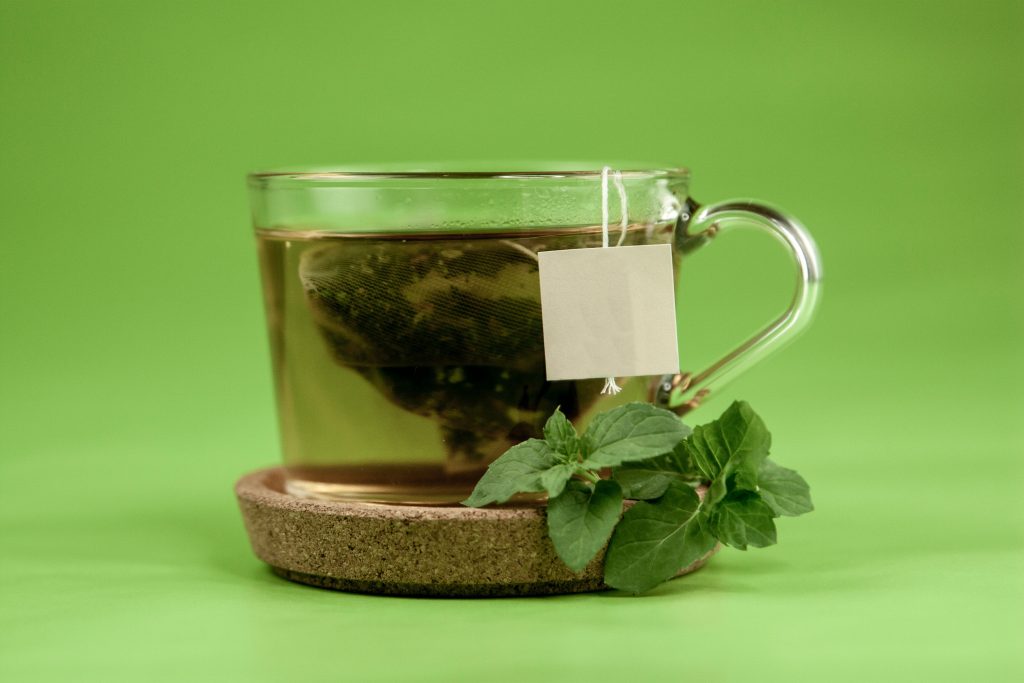
Over the last decade, many brands moved from flat paper bags to roomy “silken” pyramid sachets. The shape gives whole-leaf tea space to expand while it steeps, which improves the flavor.
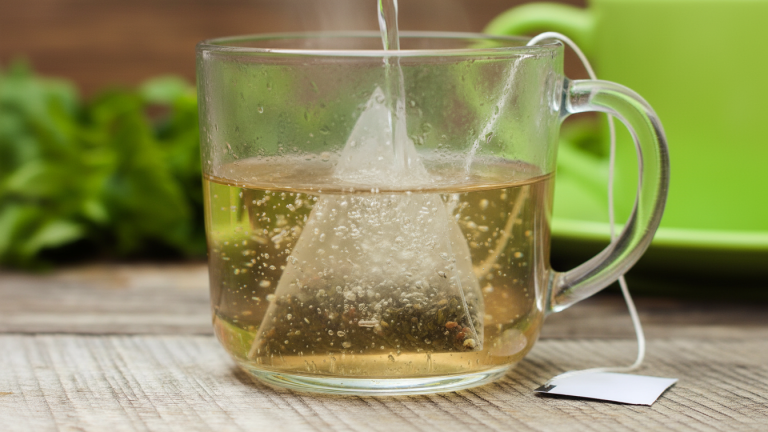
However, many of these sachets are made from PET (polyethylene terephthalate) or nylon, the same plastics the McGill researchers tested. Others use PLA, and a few, like Bigelow’s, use paper. Paying more for a pyramid sachet doesn’t mean less plastic, so check the material before you buy.
Plastic-Free Tea Bag Brands, and the Ones That Still Use Plastic
We sorted popular tea brands by what their bags are made of and how they’re sealed. Where a brand publishes its materials, we used its own statements, and otherwise we name the source. Every entry was checked in October 2026.
Plastic-free tea bags
These brands close their bags by folding or stitching them, so they don’t need a plastic heat seal.
- Traditional Medicinals: The bags are made of abaca (a species of banana) and wood pulp, with no plastic sealant or glue, according to The Filtery’s 2026 brand review. They’re folded closed and finished with a cotton string and a paper tag.
- Pukka Herbs: Pukka’s bags are made from abaca and other plant fibers. Pukka says it doesn’t use polypropylene, and closes each bag with a stitch of organic cotton and a fold instead of a heat seal. One caveat: The Filtery reports that Pukka discloses a tiny amount of resin, under 1%, holding the paper fibers together.
- Stash Tea: Stash says its bags are made from unbleached wood fiber, machine-folded and pressed, with no glue or plastic sealant.
- Numi Organic Tea: Numi’s bags are made from unbleached Manila hemp fiber with no PLA or polypropylene. The individual wrapper is a different story: it includes a thin layer of sugarcane-based PLA, so the plastic-free part is the bag itself.
- Yogi Tea: Yogi uses a paper made from wood pulp and abaca that can’t be heat-sealed, so the bags are folded closed instead. Yogi says the paper contains no plastic.
- Bigelow: Bigelow says about 90% of the tea bags it sells use folded wood pulp and abaca paper with no adhesive. The rest, including the Steep Café pyramid bags, are heat-sealed with a sealant made from corn and sugarcane starch, which Bigelow says contains no plastic. Earlier versions of this guide listed Bigelow’s pyramids as PLA; Bigelow’s July 2026 packaging statement says otherwise.
Tea bags made with plant-based bioplastic (PLA)
These brands have moved away from petroleum plastics but still rely on bioplastics. They are industrially compostable but not suitable for your backyard bin.
- Teapigs: Teapigs makes its “tea temples” from plant-based materials and paper. Teapigs says they break down in industrial composting within 12 weeks and belong in a food-waste collection instead of a home compost bin. The inner bag they come in is a soft plastic.
- Mighty Leaf Tea: Mighty Leaf has said its pouches are woven from 100% PLA, made by fermenting sugar from corn. They look like nylon but are a bioplastic.
- Harney & Sons: Harney was the first to sell nylon “silken” sachets in the U.S. and has since been moving them to a compostable sugarcane-based material that needs industrial composting. In 2024 Harney said about 95% of its sachets had switched and its Hot Cinnamon blends were still nylon, because cinnamon didn’t work with the new material. We couldn’t find a newer update. Harney calls the new sachets “not plastic,” but the fiber is made the same way as PLA, so we list it here. Harney also sells its teas loose.
Brands that still use some plastic
These brands still use plastic in at least part of their range, or haven’t confirmed that a switch away from it is complete.
- Lipton: Lipton told the Center for Science in the Public Interest in 2021 that its tea bags are mostly paper with some plastic added. We couldn’t find a newer Lipton statement saying its standard bags are plastic-free.
- Tetley: Tetley has described its bags as 99% biodegradable, with a small amount of plastic to keep them closed, and has trialed polypropylene-free paper. When University of East Anglia researchers tested tea bags, a Tetley bag containing 30% polypropylene shed the most particles. Tetley hasn’t said publicly that the switch is complete.
- Twinings: A 2019 Consumer NZ survey found Twinings uses three kinds of bags: PLA, cellulose, and cellulose mixed with an acrylic binder. The standard cellulose bags are sealed with polypropylene.
- Celestial Seasonings: Celestial also told the Center for Science in the Public Interest in 2021 that its bags are mostly paper with some plastic added. Its pillow-style bags have no string or staple, so all four edges have to be sealed.
Our Top Picks for Plastic-Free Tea
Best Overall
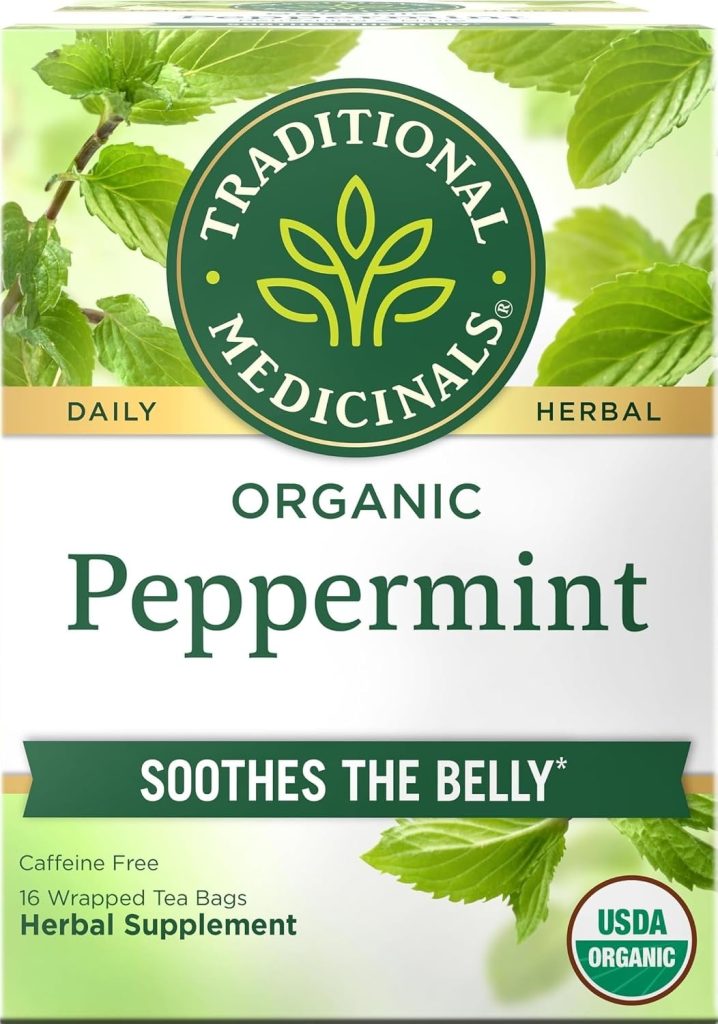
Traditional Medicinals Organic Peppermint Tea
Traditional Medicinals is our top pick because every source we checked describes its bags as fully plastic-free: abaca and wood pulp, folded closed with no plastic sealant or glue. It’s also sold in most major grocery stores, so it’s an easy first change to make.
Also Good
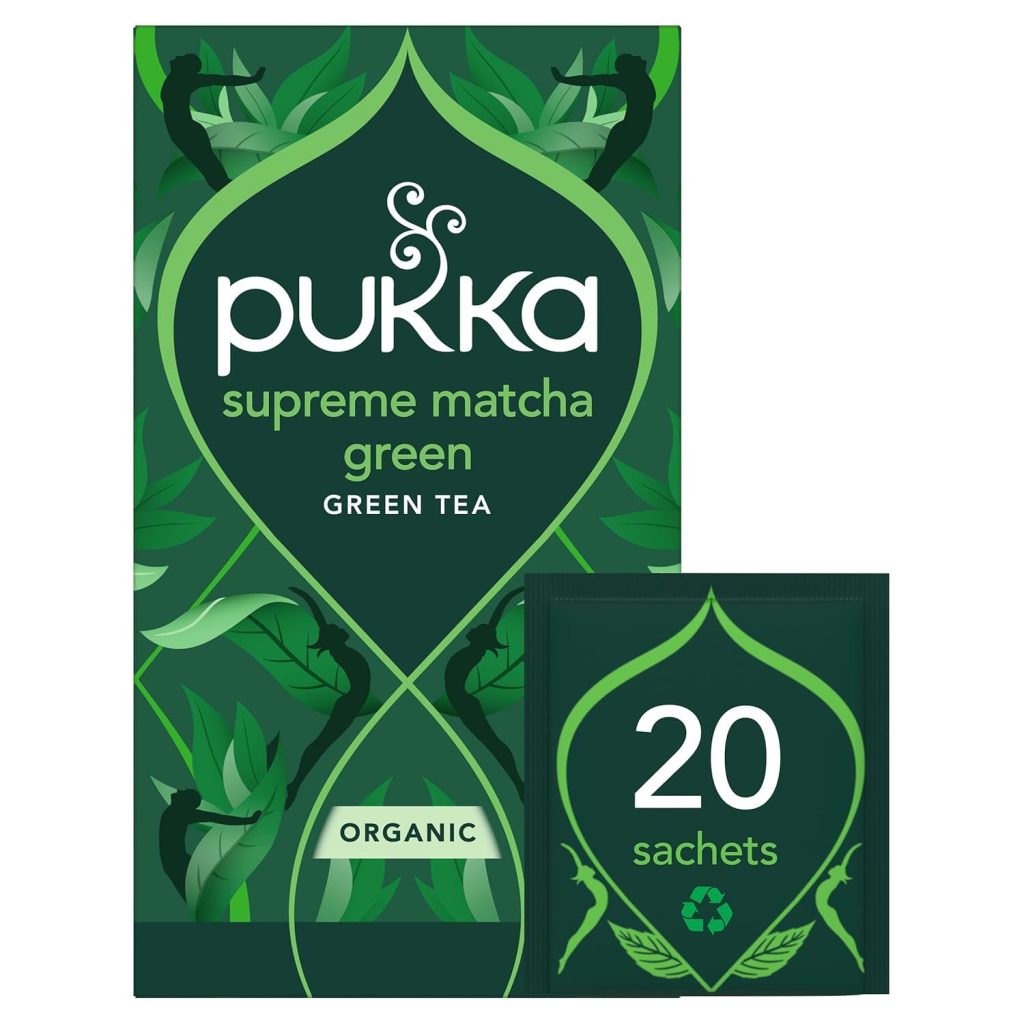
Pukka Herbs Organic Supreme Matcha Green
Pukka stitches its bags with organic cotton and folds them instead of heat-sealing them, and its teas are certified organic. We rank it second because of the small amount of resin in its paper, noted in the brand list above.
Investment
Arbor Teas (Any Loose Leaf Variety)
If you’re ready to stop using tea bags altogether, Arbor Teas sells loose leaf tea in packaging made from cellulose film, which breaks down in a home compost bin. Buying loose leaf in bulk saves money over time, and you brew it without a bag.
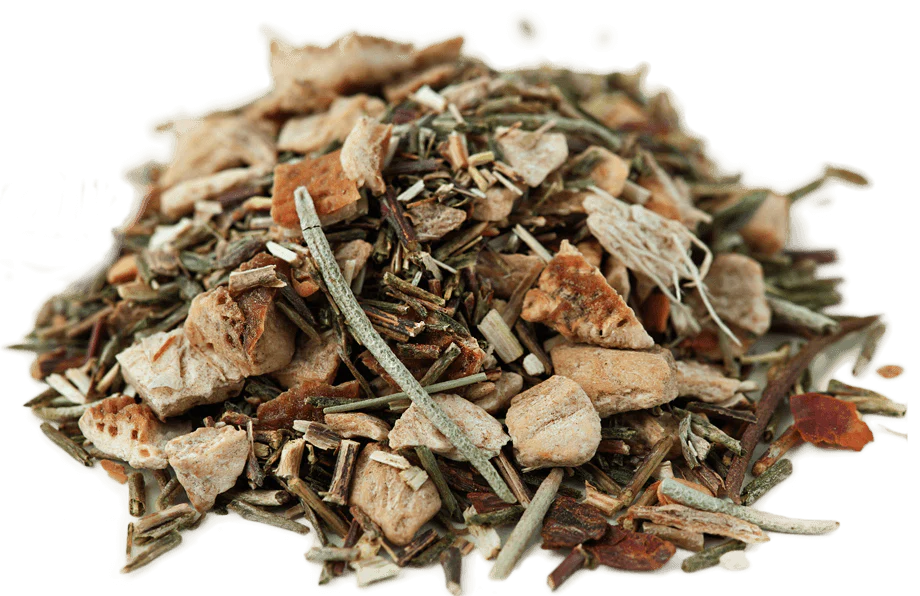
How to Brew Loose Leaf Tea Without Plastic
The surest way to avoid plastic tea bags is to skip the bag, which is what we do now. Our all-glass teapot gives the leaves room to unfold, and there’s no bag in the pot to shed anything into the water. Brewing loose leaf takes one extra piece of equipment and a small change to your morning routine.
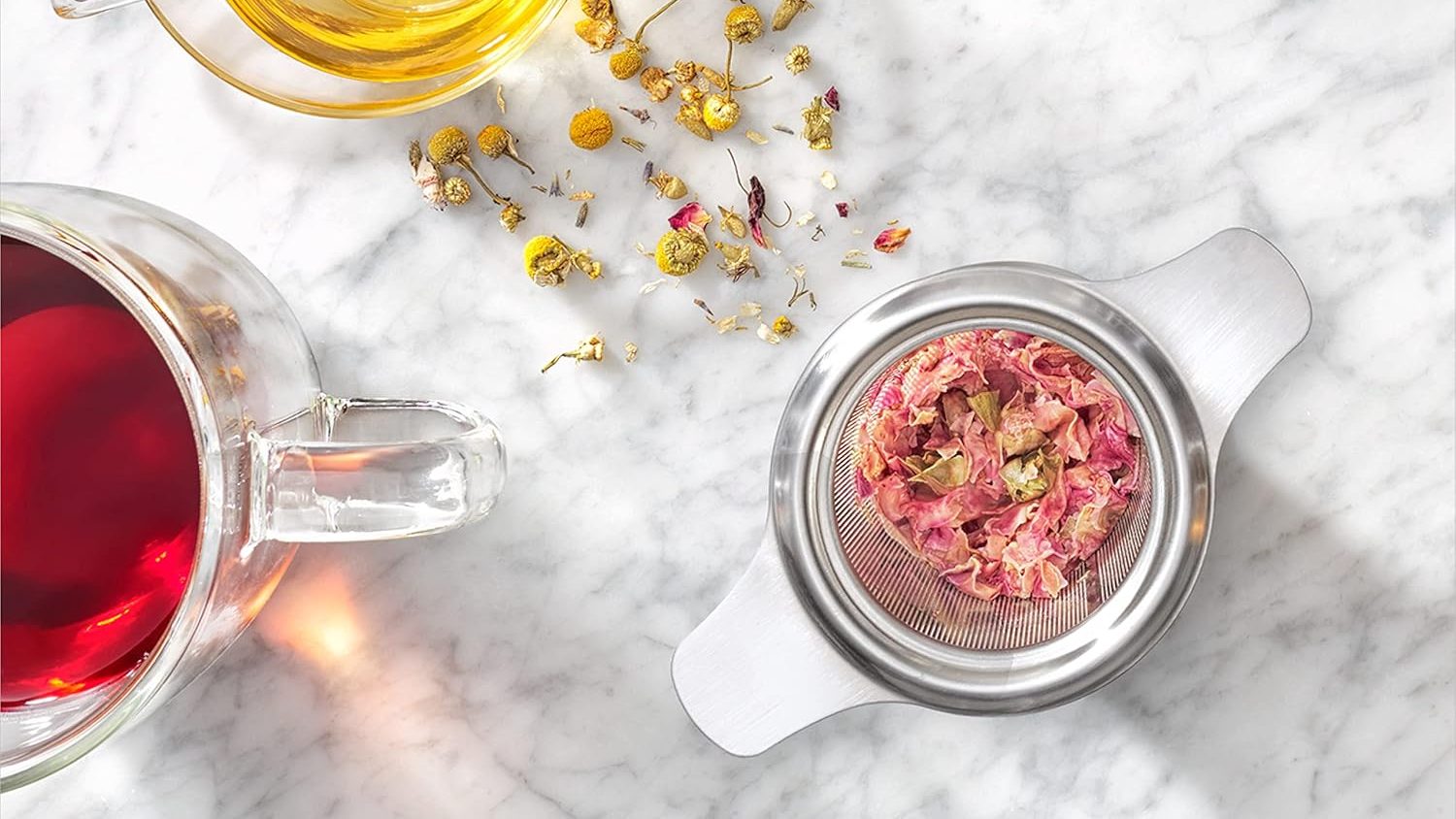
- Get a Stainless Steel Infuser or Glass Kettle with Stainless Steel Filter: Skip plastic steeping baskets. A fine-mesh stainless steel infuser sits over the rim of a mug, and a larger glass kettle with a fine-mesh steel filter works for bigger batches.
- Measure Your Leaves: The golden rule is one teaspoon of loose leaf tea per eight ounces of water.
- Watch the Temperature: Green and white teas become bitter if scorched. Boil your water and let it sit for two minutes before pouring it over delicate leaves. Black and herbal teas can handle a rolling boil.
- Compost the Leaves: Once you’re done steeping, tap the wet leaves straight into your compost bin. There’s no bag to cut open or throw away.
Frequently Asked Questions
Which tea bags have microplastics? Tea bags made of nylon, PET or polypropylene release plastic particles when steeped, and so can paper bags heat-sealed with polypropylene. In the 2024 Barcelona study, polypropylene bags released the most particles of the materials tested. Tetley, Twinings and Celestial Seasonings still use some plastic in at least part of their range.
What is PLA or Soilon in tea bags? PLA (Polylactic Acid), often trademarked as Soilon, is a bioplastic derived from cornstarch or sugarcane. It is used as an alternative to petroleum-based plastics in tea bags.
Do Lipton tea bags have plastic in them? Some do. In 2021, Lipton said its bags are mostly paper with some plastic added, and we haven’t found a newer statement from Lipton saying that has changed.
How can I tell if a tea bag has plastic? It is difficult to tell just by looking. If a bag lacks a string and tag and is sealed tightly on all sides (like a pillow), it likely uses a plastic heat-sealant. If it is a silky, shiny pyramid bag, it is most likely nylon, PET or PLA. Look for bags that are physically stitched, folded, or tied with cotton string.
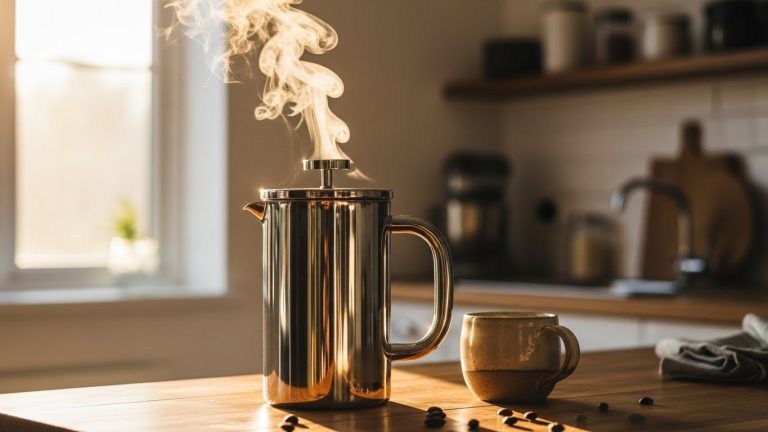
What is the safest way to drink tea without microplastics? Brew loose leaf tea in an all-glass teapot, a stainless steel mesh infuser or a glass and steel French press, and heat the water in a glass or steel kettle. Without a bag, you remove the tea bag as a source of plastic.

This article contains affiliate links. As an Amazon Associate, Plastic Free Everything earns from qualifying purchases at no extra cost to you.