Where to Shop Plastic-Free: The Best Online and In-Store Package-Free Retailers
You finally ran out of that giant plastic jug of laundry detergent, and now you are staring at the recycling bin wondering if it actually gets recycled.
It is exhausting. You genuinely want to do the right thing. You type “package free shop” into your search bar, and suddenly you are bombarded with targeted ads for perfectly aesthetic glass spray bottles, matching bamboo dish brushes, and hundred-dollar starter kits.
But here is the secret the perfectly curated social media accounts do not tell you. Buying a beautifully branded, plastic-free shampoo bar online might actually have a worse environmental impact than just walking to your local corner store and buying a conventional product.
Welcome to the supply chain showdown.
Going zero waste should not require a six-figure salary. It definitely should not require shipping a heavy box of liquid soap three thousand miles just to avoid a plastic cap. We are going to break down the real science of sustainable logistics, investigate the greenwashing tactics hiding in plain sight, and rank the absolute best places to buy your pantry items, toiletries, and plastic free cleaning products.
Whether you are looking for a zero waste store online or a bulk food store near me, here is exactly where to spend your money without getting tricked.
The Carbon Math: Is Online Shopping Worse for the Planet?
Before we list the best shops, we have to look at the data. The most common question people ask when trying to live sustainably is whether shipping items to their door negates the benefit of buying plastic-free.
The answer relies heavily on logistics. According to comprehensive data from the MIT Real Estate Innovation Lab, carbon emissions from online shopping are actually 36 percent lower, on average, than those produced by in-store shopping.
How is that possible? It comes down to vehicle efficiency. A single standard delivery van executing a highly optimized neighborhood route can replace more than 100 individual car trips to a grocery store. If you are driving a gas-powered SUV across town just to buy a single package of beeswax wraps, the delivery van wins the carbon math every time.
However, this data comes with a massive asterisk. The e-commerce efficiency model only works if the retailer is not shipping excess weight, utilizing overnight air freight, or packing items in massive amounts of void-fill.
When you order liquid products online, you are primarily paying to ship water. Water is incredibly heavy. Moving heavy liquids across the country requires significantly more diesel and jet fuel. This is why a truly sustainable package free shop will either sell you dry concentrated products, or operate locally so you can refill your own containers.
The Greenwashing Audit: The Compostable Mailer Myth
If you have ever ordered from a zero waste store online, you have probably received your items in a soft, matte shipping bag loudly declaring “I am 100% compostable!”
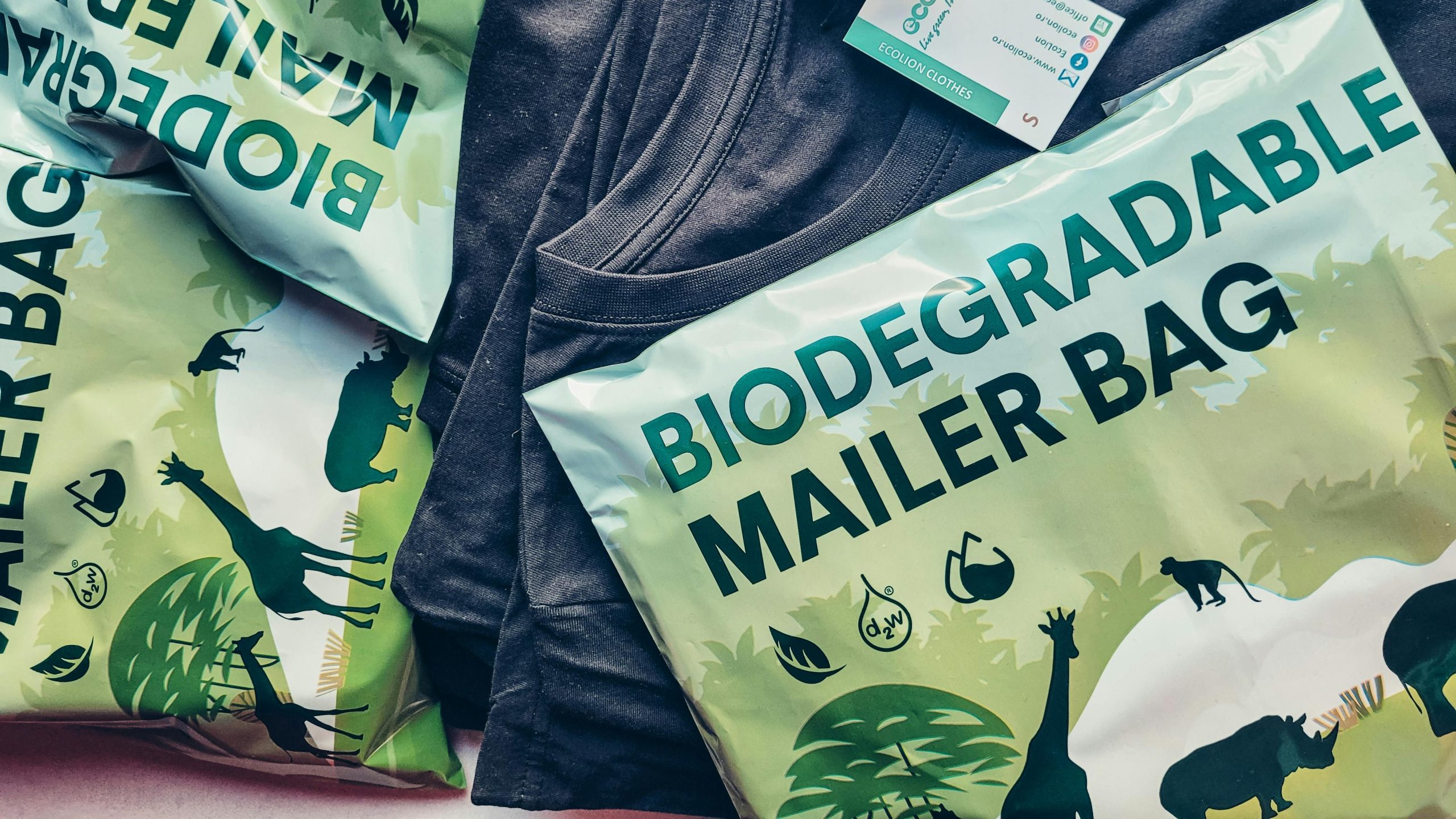
This is one of the most pervasive greenwashing tactics in modern retail.
These bags are usually made from PLA (polylactic acid), a bioplastic derived from corn starch or sugarcane. While the chemistry is fascinating, the reality of waste management is grim. Bioplastics require industrial composting facilities that reach sustained high temperatures to properly break down.
Here is the problem. Only about 36 percent of the United States population has access to any sort of municipal composting program. Furthermore, an even smaller fraction of those facilities actually accept compostable packaging, as most only process food scraps and yard waste.
If you throw an industrially compostable mailer into a regular trash can, it goes to a landfill. Inside a landfill, it is deprived of oxygen and sunlight. It acts exactly like petroleum-based plastic. It sits there for decades, or worse, it breaks down anaerobically and releases methane into the atmosphere.
When we evaluated retailers for this list, we prioritized shops that utilize widely recyclable materials like plain corrugated cardboard and paper tape, or those that actively take back their own packaging. We shifted the burden of vetting off your shoulders and onto the supply chain.
How to Find a Package Free Shop for Pantry Items and Groceries
Finding package-free groceries is notoriously difficult because food safety laws require strict handling. But mastering zero waste grocery shopping is the fastest way to reduce your household waste footprint. We have ranked the best options based on cost and sustainable practices.
Budget: Azure Standard (Online & Local Drop-Off)
If you are practicing sustainable living on a budget, Azure Standard is the ultimate life hack. They operate as an independent food distributor, but instead of shipping individual boxes to your doorstep via FedEx, they utilize a community drop system.
You order your bulk oats, beans, and baking supplies online. Once a month, a massive semi-truck arrives at a designated drop point in your town. You meet the truck, grab your giant paper sacks of bulk food, and go home.
Their internal sustainability metrics are unmatched. Their main distribution warehouses operate as near zero-waste facilities, recycling or composting nearly everything. By eliminating last-mile doorstep delivery, they drastically cut transportation emissions.
Best Overall: Your Local Co-Op or Regional Grocery Chain (In-Store)
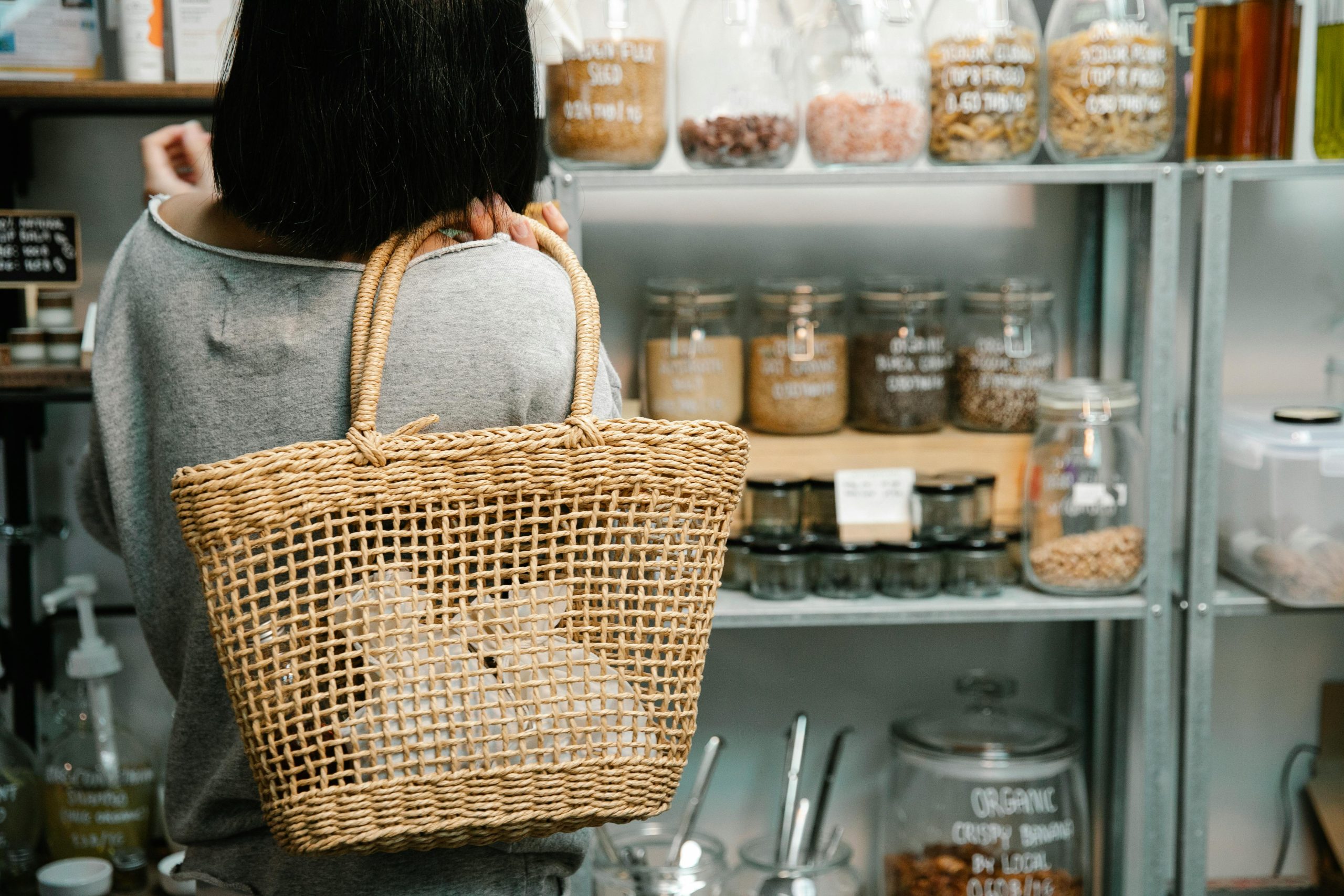
Nothing beats the unit economics of a true bulk food store near me. Regional chains like WinCo, Sprouts Farmers Market, and local food cooperatives allow you to bring your own jars. You weigh the jar at the register (getting the “tare” weight), fill it with flour, rice, or spices, and only pay for the exact ounces of food you take.
This cuts out all packaging costs and completely eliminates shipping emissions. You get fresh food at a fraction of the cost of boxed equivalents.
Investment: Thrive Market (Online)
Thrive Market is not entirely package-free, but they are incredibly rigorous about their carbon footprint and product vetting. They operate on a membership model, much like Costco. They offer carbon-neutral shipping and carry a vast array of sustainable pantry staples. If you live in a food desert or lack access to local bulk bins, Thrive is a fantastic way to access cleaner, lower-impact foods, though you will pay slightly premium prices.
The Best Retailers for Package Free Toiletries and Personal Care
Personal care is a minefield of unrecyclable mixed plastics. Pump tops have hidden metal springs. Toothpaste tubes are made of layered foil and plastic. Finding package free toiletries is essential, but it should not cost a fortune.
Budget: Package Free Shop (Online)
Founded by zero-waste pioneer Lauren Singer, the creatively named Package Free Shop strips away all the unnecessary aesthetics of sustainability. They ship entirely without plastic, utilizing paper tape and recyclable boxes.
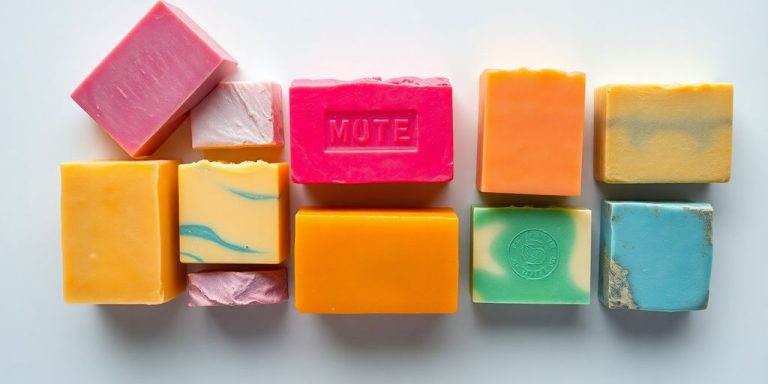
This is the best place to find low-cost, high-impact swaps. You can buy completely naked, unwrapped bar soaps, simple bamboo toothbrushes, and solid shampoo bars without paying a premium for fancy metal tins. They prove that living with less plastic is fundamentally about buying less packaging, which should technically cost less money.
Best Overall: The Local Refillery Network (In-Store)
A local refillery is a specialized physical store where you can bring your empty shampoo bottles, lotion pumps, and body wash containers to be refilled from giant vats.
The best refilleries operate on a strict “closed-loop” system. This means when their 5-gallon vats of shampoo are empty, they do not throw them in the recycling bin. Instead, they ship the empty vats back to the manufacturer to be sanitized and refilled. This creates a true circular economy.
To find one near you, use online databases like the Litterless directory, which maintains an active list of zero-waste shops across the entire United States.
Investment: Plaine Products (Online)
If you do not have a local refillery, Plaine Products is the absolute gold standard for sustainable personal care logistics. They sell premium shampoo, conditioner, and body wash in durable aluminum bottles.
When you run low, you order a refill. They send you a fresh aluminum bottle. You take the pump off your old bottle, put it on the new one, and use the included return label to mail the empty bottle back to them. They wash it, sterilize it, and put it back into circulation. It is a flawless closed-loop system delivered to your door.
The Best Retailers for Plastic Free Cleaning Products
Cleaning products are perhaps the most egregious offenders of the plastic crisis. Conventional cleaners are roughly 90 percent water packaged in thick, single-use plastic jugs. We must stop shipping water.
Budget: Meliora Cleaning Products (Online & Select Stores)
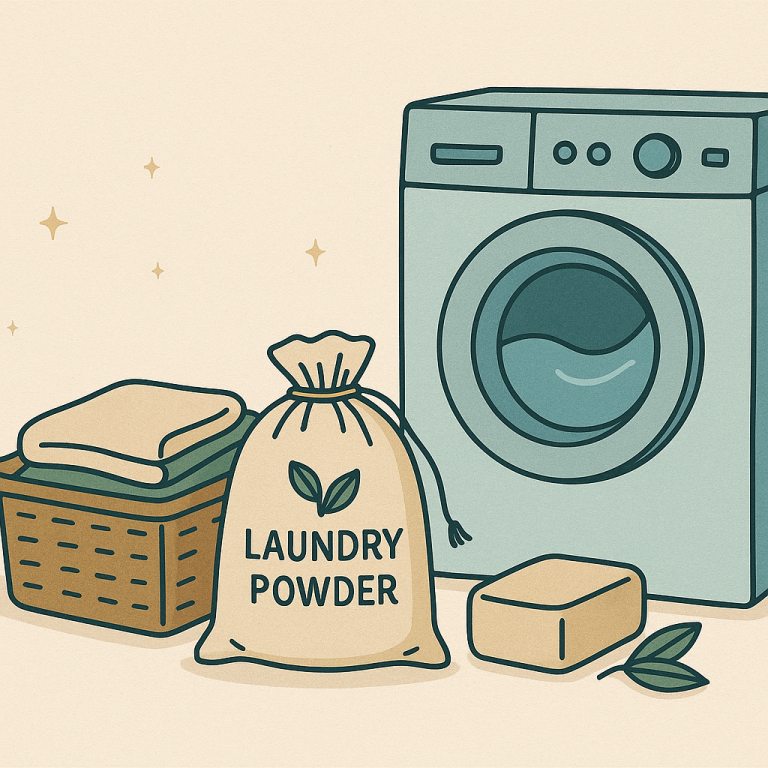
Meliora is the unsung hero of the sustainable cleaning world. They focus entirely on dry, powdered formats. Their laundry powder and all-purpose home cleaner tabs are incredibly concentrated and highly effective.
By removing water from the equation, their packaging is entirely plastic-free (usually simple cardboard canisters). The unit economics are brilliant. A single canister of their laundry powder costs significantly less per load than buying heavy jugs of conventional liquid detergent.
Best Overall: Blueland (Online & Select Retailers)
Blueland fundamentally revolutionized plastic free cleaning products. You buy their durable glass and tritan bottles once. After that, you only buy small, dry cleaning tablets. You fill the bottle with warm water from your own sink, drop the tablet in, and let it dissolve.
Their environmental auditing is staggering. In a recent impact report, they detailed how they reformulated products to lower carbon footprints and explicitly opened new regional warehouses across the US. By distributing their inventory closer to customers, they slashed the cross-country transit emissions required to get their tiny tablets to your door. Their wrappers are technically compostable paper, but even if thrown away, they represent a fraction of the waste of a plastic bottle.
Investment: Branch Basics (Online)
Branch Basics uses a slightly different model. They sell a single, highly concentrated, plant-based liquid. You purchase their beautiful, reusable glass bottles. You then follow the fill lines on the bottles, adding water from your tap and a small amount of their concentrate to create window cleaner, bathroom cleaner, or foaming hand soap.
While you are technically still having a liquid shipped to you, the concentrate is so dense that a single bottle lasts for months and replaces dozens of single-use plastic bottles.
Progress Over Perfection
Building a sustainable home does not happen overnight. You do not need to throw away your half-full plastic bottle of dish soap just to buy a trendy glass replacement. That actually creates more waste.
Use what you have. When you run out, make a better choice.
Whether you choose to organize a massive neighborhood Azure Standard drop, or simply swap your heavy liquid detergent for a lightweight Blueland tablet, you are shifting the market. You are telling the supply chain that you refuse to pay for single-use plastic and unnecessary water weight.
You do not need to be perfectly zero waste. You just need to be mindful of the math, aware of the greenwashing, and willing to try a different aisle or a different website the next time you run out of soap.
10 Frequently Asked Questions About Package-Free Shopping
What exactly is a package free shop? A package free shop is a retail environment, either online or in-store, that sells goods without single-use plastic packaging. They typically focus on bulk food, refillable liquids, and products packaged in compostable or highly recyclable materials like plain paper.
Are online zero waste stores actually sustainable? Yes, but only if they utilize smart logistics. Online shopping can have a lower carbon footprint than driving to a store, provided the retailer ships dry goods, avoids overnight air freight, and uses minimal, plastic-free shipping materials.
How do I find a bulk food store near me? You can find bulk food stores by searching community databases like the Litterless directory, checking regional co-ops, or visiting national chains with dedicated bulk aisles like WinCo, Sprouts, and Whole Foods.
What are the best plastic free cleaning products? The most sustainable cleaning products are dry formats that do not require shipping water. Top recommendations include Blueland cleaning tablets, Meliora laundry powders, and concentrated drops that you mix with your own tap water at home.
Is bioplastic packaging better than regular plastic? It depends entirely on your access to waste management. Bioplastics require industrial composting facilities to break down properly. If thrown in a standard landfill, they behave much like regular petroleum-based plastics and can release methane gas.
How do local refill stations work? At a local refill station, you bring your own clean, empty containers (like mason jars or old shampoo bottles). You weigh the empty container first, fill it with the product you need, and then pay only for the weight of the product inside.
Is a zero waste lifestyle inherently expensive? No. While some aesthetic zero-waste brands charge a premium, the core principles of a zero waste lifestyle save money. Buying bulk dry goods, utilizing reusable items, and making your own cleaners from simple ingredients drastically lowers household costs over time.
What is a closed loop retail system? A closed loop system means the packaging never enters the waste stream. For example, a brand sends you a bottle of shampoo, and when you finish it, you mail the empty bottle back to them so they can clean it, refill it, and use it again.
Can I bring my own jars to standard grocery stores? Many grocery stores allow you to bring your own jars for bulk dry goods, but you must ask a cashier to weigh your empty jar before you fill it. This ensures you are not charged for the heavy weight of the glass.
Are compostable mailers actually compostable at home? Most compostable shipping mailers are only industrially compostable, meaning they require the high heat of a commercial facility to break down. True backyard compostable mailers exist, but you must read the fine print to ensure your home compost pile gets hot enough to dissolve them.

This article contains affiliate links. As an Amazon Associate, Plastic Free Everything earns from qualifying purchases at no extra cost to you.