Non-Toxic Baby Lotion: What’s Actually Safe to Put on Newborn Skin
You just spent nine months meticulously avoiding soft cheeses and extra coffee, only to realize the hardest part of keeping your baby safe is deciphering the chemical soup on the back of a lotion bottle.
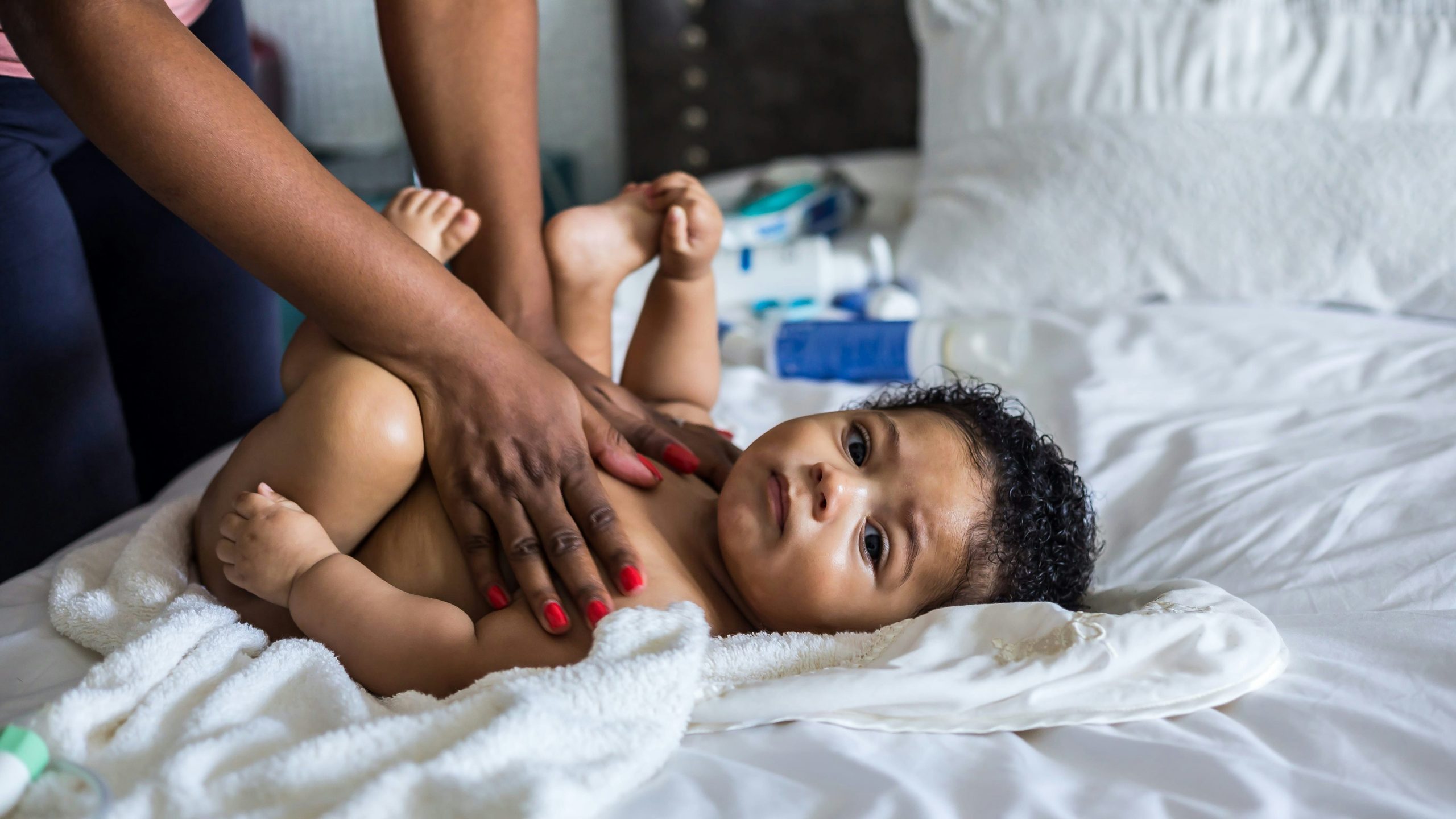
If you flip over a standard bottle of baby moisturizer, the very first ingredient is almost always “Aqua” or water. It seems harmless enough. However, water introduces a massive complication to personal care products. Where there is water, bacteria and mold will inevitably grow. To prevent your baby’s lotion from turning into a petri dish on the nursery shelf, manufacturers must dump in harsh synthetic preservatives.
This creates a paradox. You buy a lotion to protect your baby’s delicate skin barrier, but the preservatives required to keep the water-based lotion shelf-stable actually disrupt their skin microbiome. Add a cheap plastic bottle into the mix, which can leach endocrine-disrupting chemicals into that high-water formula, and you have a recipe for eczema, irritation, and toxic exposure.
This guide explores the Waterless Revolution in infant skincare. We will explain why ditching water-based pump lotions for anhydrous (waterless) balms packaged in glass or tin eliminates the need for controversial chemical preservatives entirely. First, we’ll rank the best plastic free baby lotion and balm alternatives on the market.
The Best Non Toxic Baby Lotion and Balm Alternatives
Quick Takeaways
If you are short on time between naps and diaper changes, here is a quick breakdown of the safest options available.
| Brand | Material | Best For | Pros | Cons |
| Fat and the Moon Babies Moon Salve | Aluminum tin | Budget-conscious parents & winter chapping | Highly affordable, zero-waste tin, utilizes potent anti-inflammatory botanicals. | Contains sweet almond oil (potential allergen). |
| Bee You Organics Unscented Body Butter | Glass jar with metal lid | Everyday intense hydration | 100% zero-waste shipping, food-grade ingredients, entirely waterless formula. | The thick body butter texture requires warming in your hands before applying. |
| Toups and Co Organics Baby Balm | Glass jar | Severe eczema, dermatitis, and compromised skin | Grass-fed tallow mimics natural human skin lipids perfectly, providing deep healing. | High price point; contains animal products (not vegan). |
| Badger Baby Balm | Aluminum tin | Diaper bags, minimalists, and lightweight travel | Certified B Corp, 100% USDA organic, ultra-clean ingredients, zero plastic leaching. | Minimalist formula may not be rich enough for clinical-level dry skin. |
| Ora’s Amazing Herbal Baby Salve | Glass jar | Multi-purpose use (drool rash, diapering, waterless cleansing) | Cloth diaper safe, uses 7 slowly infused organic herbs, zero waste glass packaging. | Contains coconut oil which may irritate highly sensitive or reactive skin. |
Top 5 Non Toxic Baby Balms
Below are the details on the best waterless and plastic free options for protecting your baby’s skin barrier. Our rankings prioritize waterless formulas, zero plastic packaging, strict avoidance of synthetic fragrances, and independently verified non-toxic ingredient lists.
1. Best Overall: Bee You Organics Body Butter (Unscented)
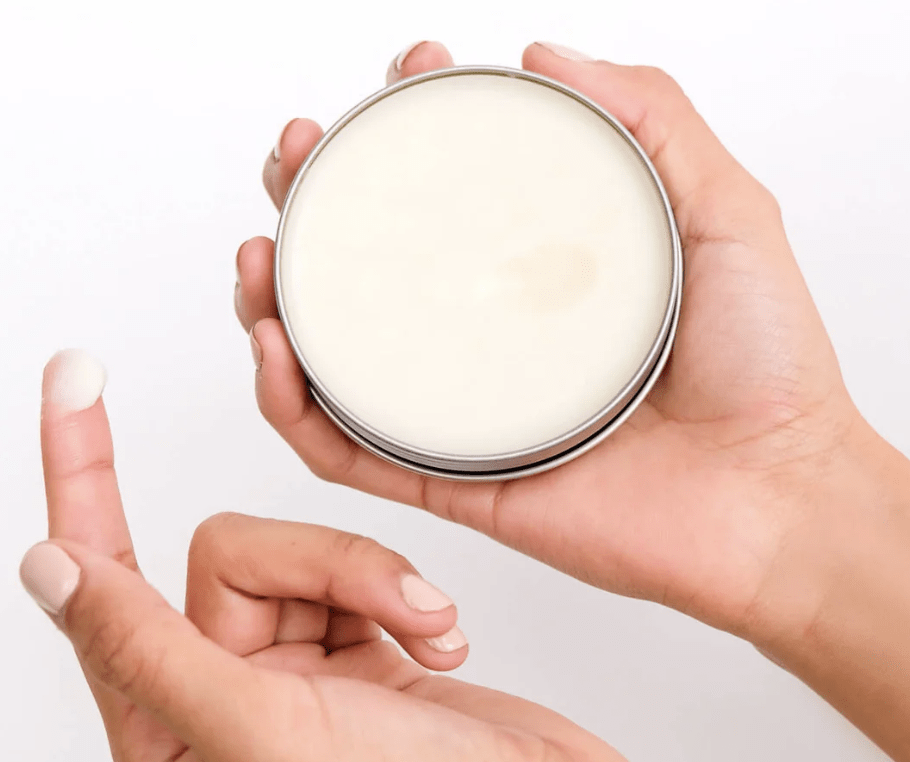
Packaging: Glass jar with a metal lid.
Why We Love It: Bee You Organics offers a truly zero-waste, waterless formula that is entirely free of synthetics. Everything is made from scratch using food-grade, fair-trade ingredients. Their unscented body butter provides intense hydration without a single drop of water, alcohol, or synthetic preservative. The brand also ships 100 percent plastic-free using biodegradable boxes. It is the gold standard for a safe, microbiome-friendly barrier cream.
The Science Check: By utilizing raw, unrefined shea butter, this formula delivers high concentrations of vitamins A and E directly to the dermal layer. The absence of water and synthetic masking fragrances prevents the disruption of the skin’s acid mantle, maintaining a healthy pH of 5.5 to support beneficial skin flora.
Pros:
- 100 percent zero-waste shipping and packaging.
- Strictly food-grade, edible ingredients.
- Completely fragrance-free (no synthetic masking agents).
Cons:
- The thick body butter texture requires warming in your hands before applying.
2. Budget: Fat and the Moon Babies Moon Salve
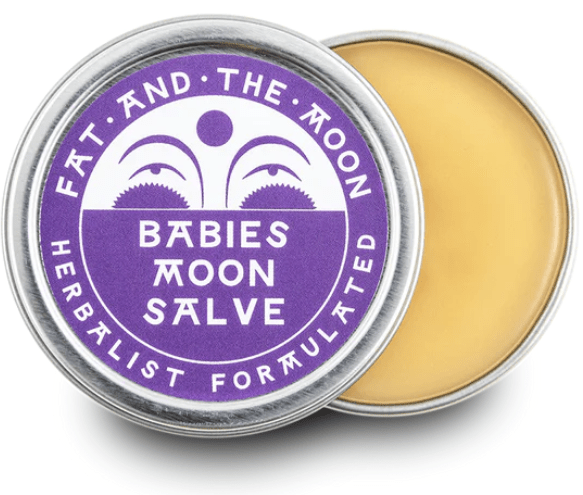
Packaging: Recyclable aluminum tin. 100 percent plastic-free.
Why We Love It: This indie apothecary brand continues a legacy of earth-centric healing through handcrafted, herbal body care. They ditched petroleum and water entirely, creating a velvety salve that handles everything from cradle cap to dry winter cheeks. It is incredibly affordable, highly effective, and ships in zero-waste packaging.
The Science Check: This salve relies on the proven anti-inflammatory properties of Calendula, Chamomile, and St. John’s Wort. These specific botanicals contain high levels of flavonoids and saponins, which actively accelerate tissue repair and soothe irritated skin barriers without the need for synthetic steroids or cortisones.
Pros:
- Highly affordable price point for organic ingredients.
- Zero-waste, easily recyclable tin.
- Handcrafted in small batches without any added synthetic fragrances.
Cons:
- Contains sweet almond oil, which may be a concern for families with severe, contact-reactive nut allergies.
3. Budget: Badger Baby Balm
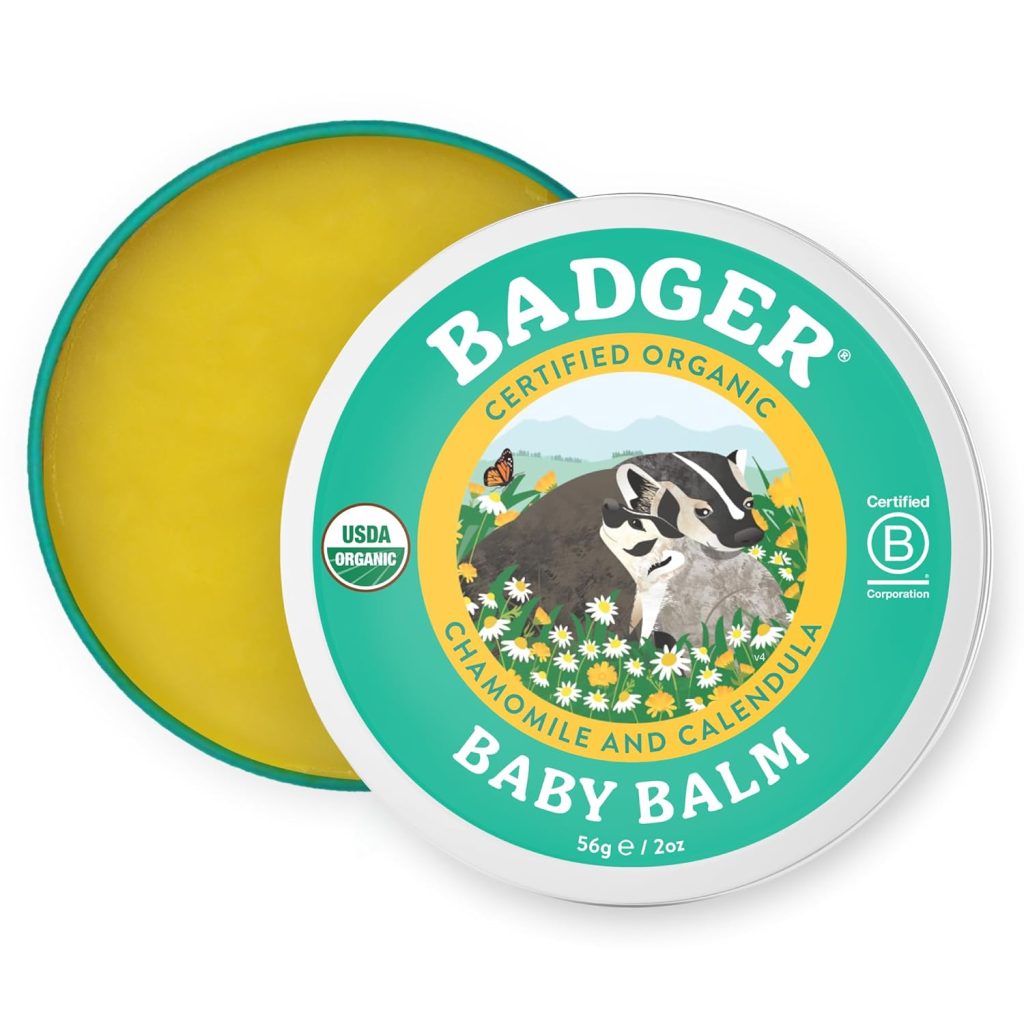
Packaging: Aluminum tin.
Why We Love It: Badger is a certified B Corp known for incredibly clean, minimal-ingredient formulations. Their Baby Balm contains just organic extra virgin olive oil and organic beeswax, infused with a very light touch of organic chamomile and calendula. The aluminum tin is lightweight, highly recyclable, and ensures zero plastic leaching.
The Science Check: This is a masterclass in hypoallergenic formulation. By limiting the ingredient list to just a few highly stable compounds, the risk of contact dermatitis plummets. Olive oil provides squalene (a natural moisturizing agent), while beeswax acts as a breathable humectant, drawing moisture from the air to the skin while blocking external irritants.
Pros:
- Highly affordable price point for organic ingredients.
- Certified B Corp and 100 percent USDA Organic.
- Ultra-minimalist ingredient list reduces allergy risks.
- Travel-friendly, zero-leach aluminum tin.
Cons:
- The minimalist olive oil and beeswax formula may not be rich enough for clinical-level dry skin.
4. Investment: Toups and Co Organics Baby Balm
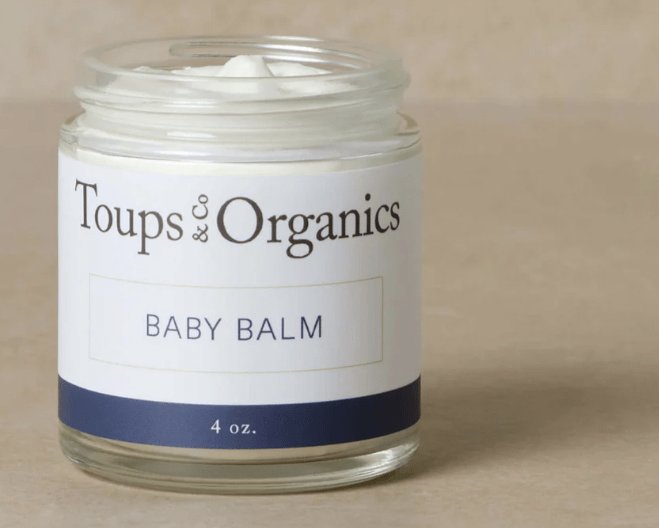
Packaging: Glass jar.
Why We Love It: If your baby is struggling with severe eczema or dermatitis, tallow is a game-changer. Toups and Co blends pure grass-fed tallow with unrefined beeswax and organic olive oil infused with calendula. It is deeply nourishing, absolutely free of toxic preservatives, and completely plastic-free.
The Science Check: Grass-fed beef tallow closely mimics the natural lipid structure of human skin. It is exceptionally high in conjugated linoleic acid (CLA) and bioavailable fat-soluble vitamins (A, D, K, and E). Because the cellular structure of tallow is so similar to our own sebum, it penetrates the lipid barrier efficiently, repairing microscopic cracks in eczema-prone skin.
Pros:
- Unmatched healing properties for severe eczema and dermatitis.
- Highly bioavailable ingredient profile.
- Zero plastic packaging or synthetic stabilizers.
Cons:
- High price point.
- Contains animal products (not suitable for vegan households).
5. Multi-Purpose: Ora’s Amazing Herbal Baby Salve
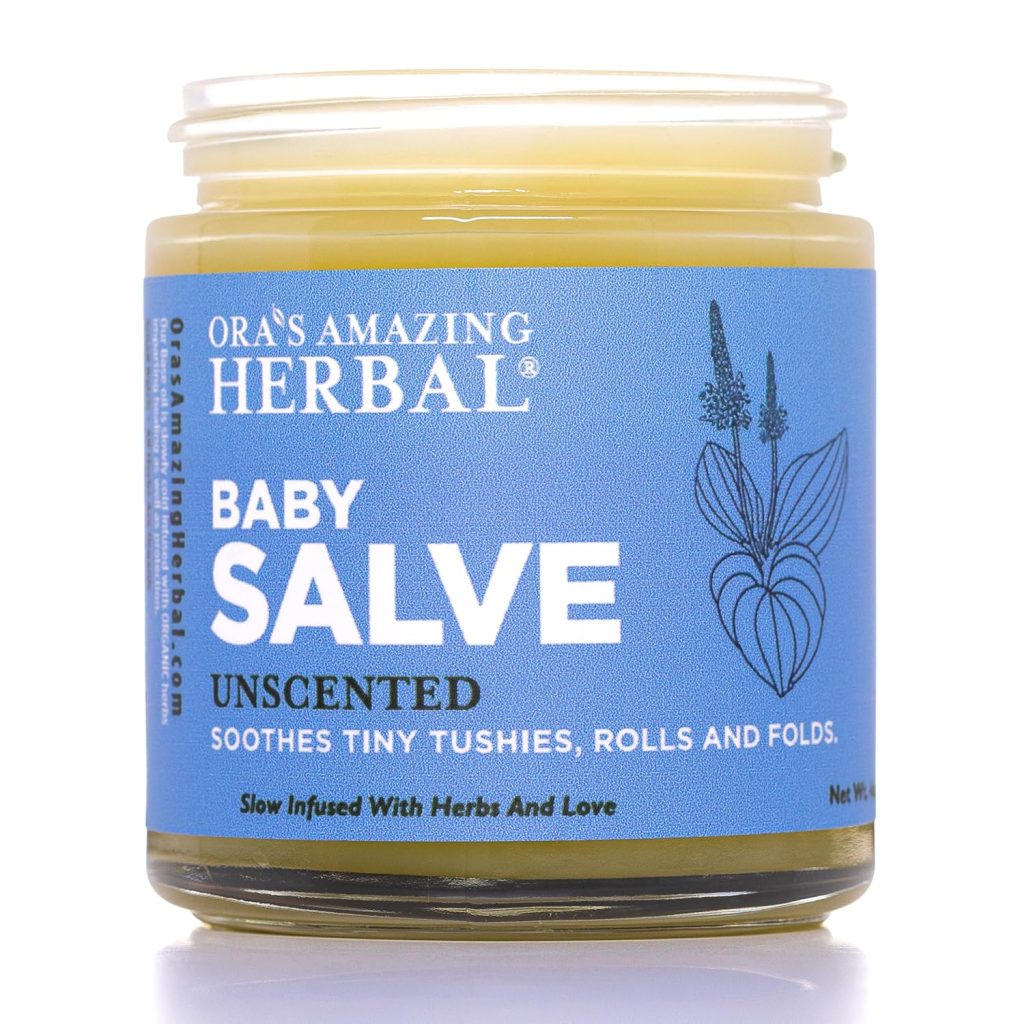
Packaging: Plastic-free glass jar.
Why We Love It: This woman-owned, family business originally created this salve for cloth-diapered babies, and it has evolved into a holy grail multi-use product. It functions as a waterless cleanser for chunky baby folds, a barrier cream, and a gentle treatment for drool rash. The brand rigorously avoids parabens, synthetic fragrances, and plastic packaging, offering true transparent sustainability.
The Science Check: Instead of using cheap fillers, this salve utilizes a non-GMO grapeseed oil base slowly infused with seven potent organic herbs, including calendula, burdock, licorice, and thyme. This slow cold-infusion method extracts the fat-soluble phytochemicals directly into the oil. The result is a highly concentrated dose of anti-inflammatory and antimicrobial properties that actively protect and repair a compromised skin barrier.
Pros:
- Packaged in a zero waste, eco-conscious glass jar.
- Completely cloth diaper safe without causing repelling issues.
- Unscented but packed with organic herbal healing properties.
Cons:
- Contains coconut oil, which can occasionally trigger sensitivities in highly reactive babies.
The Science of Newborn Skin: Why Preservatives Are the Enemy
A baby’s skin is roughly 20 to 30 percent thinner than an adult’s. It is also highly permeable. What you rub onto a newborn’s skin is rapidly absorbed into their bloodstream.
During the first few months of life, infants are actively developing their skin microbiome. This invisible ecosystem of beneficial bacteria acts as their first line of defense against pathogens. A healthy microbiome maintains the skin’s natural pH, which sits right around 5.5.
When you apply a conventional baby lotion loaded with synthetic preservatives, those chemicals do exactly what they are designed to do. They kill bacteria. The problem is that they do not differentiate between the harmful bacteria in the bottle and the beneficial bacteria on your baby’s skin.
The Most Common Preservatives in Baby Skincare
Dermatologists and toxicologists routinely flag several classes of preservatives found in supposedly safe organic baby moisturizer formulas.
- Phenoxyethanol: Often marketed as a clean alternative to parabens. However, European scientific committees and the FDA restrict its concentration to 1 percent or less. High levels can irritate the skin and potentially stress a developing infant nervous system, as babies lack the mature liver enzymes needed to process it efficiently.
- Formaldehyde-Releasing Preservatives: Ingredients like DMDM Hydantoin, Diazolidinyl Urea, and Quaternium-15 slowly release formaldehyde over time to prevent microbial growth. Formaldehyde is a known carcinogen and a major trigger for allergic contact dermatitis and severe eczema in infants.
- Parabens (Methylparaben, Propylparaben): Known endocrine disruptors. While many brands have removed them, they still lurk in budget formulations. Because a baby’s hormonal and immune systems are still developing, early exposure to hormone disruptors poses a significant health risk.
The Plastic Bottle Paradox
The container holding your baby’s lotion is just as important as the ingredients inside. Most conventional lotions are packaged in soft, squeezable high-density polyethylene (HDPE) or polyethylene terephthalate (PET) plastic.
When an emulsion of 80 percent water and synthetic oils sits inside a soft plastic tube in a hot warehouse for six months, chemical leaching occurs. The plastic packaging can introduce microplastics and phthalates (plasticizers used to make the bottles flexible) directly into the product. Phthalates are notorious endocrine disruptors.
You can buy the most meticulously crafted, chemical free infant skincare product on the market. If it comes in a plastic tube, it is no longer truly non-toxic.
The Waterless Solution: How to Avoid Preservatives Entirely
The easiest way to avoid both harsh chemical preservatives and plastic packaging is to remove the water.
Anhydrous skincare products (like balms, salves, and body butters) contain absolutely zero water. Because bacteria and mold require water to survive, waterless products do not require synthetic preservatives. Their shelf life is naturally maintained by the inherent properties of the oils, waxes, and butters used in the formulation.
Additionally, because these products are solid or semi-solid at room temperature, they do not require squeezable plastic tubes. They are easily packaged in infinitely recyclable glass jars or aluminum tins, making them the ultimate zero waste baby care solution.
By switching to a waterless formula, you reduce the ingredient list from twenty complex chemical names to just three or four recognizable, edible ingredients like tallow, shea butter, or coconut oil.
How to Apply Waterless Baby Balms Effectively
Transitioning from a traditional watery lotion to a rich balm requires a slight shift in your post-bath routine. Because balms do not contain water, they do not provide hydration (water) directly. Instead, they act as an occlusive layer, locking existing hydration into the skin.
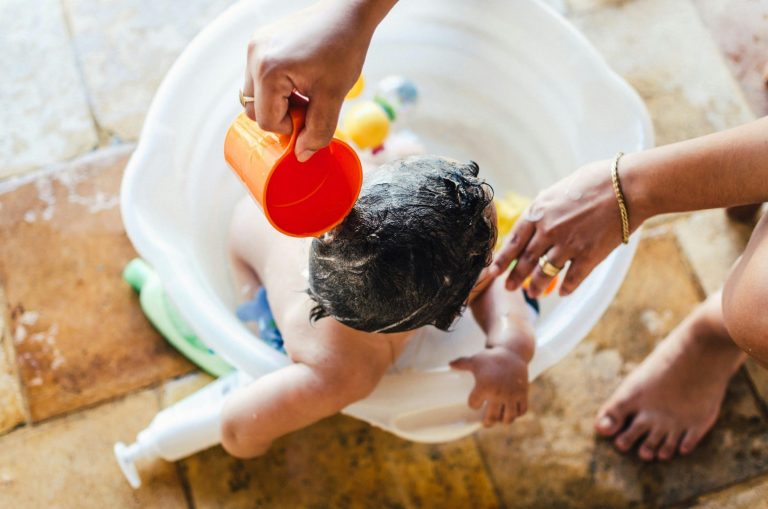
- Timing is Everything: Do not completely dry your baby after a bath. Gently pat them with a towel so their skin remains slightly damp.
- Warm it Up: Scoop a pea-sized amount of the balm and rub it vigorously between your palms. The natural heat of your hands will melt the butters and waxes into a smooth, oil-like consistency.
- Seal and Protect: Massage the melted balm directly onto the damp skin. This method traps the bath water inside the skin barrier, providing deep, long-lasting moisture while protecting the microbiome.
10 Frequently Asked Questions About Non-Toxic Baby Skincare
1. What makes a baby lotion non-toxic? A non-toxic baby lotion is formulated without known endocrine disruptors, carcinogens, or severe allergens. It should exclude parabens, phthalates, synthetic fragrances, formaldehyde-releasing preservatives, and harsh surfactants.
2. Why is water an issue in baby skincare? Water (aqua) breeds bacteria. Products containing water require strong synthetic preservatives to prevent mold and bacterial growth. These preservatives can kill beneficial bacteria on the skin and disrupt an infant’s developing microbiome.
3. What is an anhydrous baby lotion? Anhydrous means without water. Anhydrous baby lotions are typically solid or semi-solid balms, salves, or body butters made entirely from oils, waxes, and natural butters.
4. Are plastic lotion bottles safe for babies? Plastic bottles, especially soft, squeezable tubes, can leach microplastics and endocrine-disrupting chemicals like phthalates into the lotion over time. Glass jars and aluminum tins are significantly safer alternatives.
5. Is phenoxyethanol safe for newborn skin? While often used as a clean preservative, phenoxyethanol can be a skin irritant. European and US guidelines limit it to 1 percent or less. Many pediatric dermatologists recommend avoiding it for infants, as their immature liver enzymes struggle to process it.
6. What is the difference between fragrance-free and unscented baby lotion? Fragrance-free means no aromatic chemicals were added to the product. Unscented means the product contains synthetic masking chemicals designed to neutralize the smell of other ingredients. Always choose fragrance-free for babies.
7. How do I moisturize my baby without lotion? Use a waterless balm, natural body butter, or pure plant oil (like organic jojoba or sweet almond oil). Apply these occlusive layers directly to damp skin immediately after a bath to lock in moisture.
8. Is petroleum jelly safe for babies? Petroleum jelly is derived from crude oil refinement. While highly purified versions exist, many parents prefer plant-based alternatives to avoid potential contamination with polycyclic aromatic hydrocarbons (PAHs). Products using beeswax, shea butter, and calendula offer superior, breathable barrier protection.
9. Can waterless balms help with baby eczema? Yes. Waterless balms eliminate the stinging preservatives found in traditional lotions. Ingredients like grass-fed tallow or organic shea butter closely mimic the skin’s natural lipids, helping to repair the broken skin barrier associated with eczema.
10. How often should I bathe my baby to prevent dry skin? Many pediatricians recommend limiting full baths to two or three times per week. Frequent bathing with hard water strips the skin of its natural oils and protective bacteria. Always apply a plastic free baby lotion or balm immediately after bathing to restore the lipid barrier. The wash matters as well: a gentle, non-toxic baby shampoo won’t strip that barrier the way harsh liquid washes do.

This article contains affiliate links. As an Amazon Associate, Plastic Free Everything earns from qualifying purchases at no extra cost to you.