Why Your Takeout Container Is a Plastic Trap & Eco-Friendly Alternatives
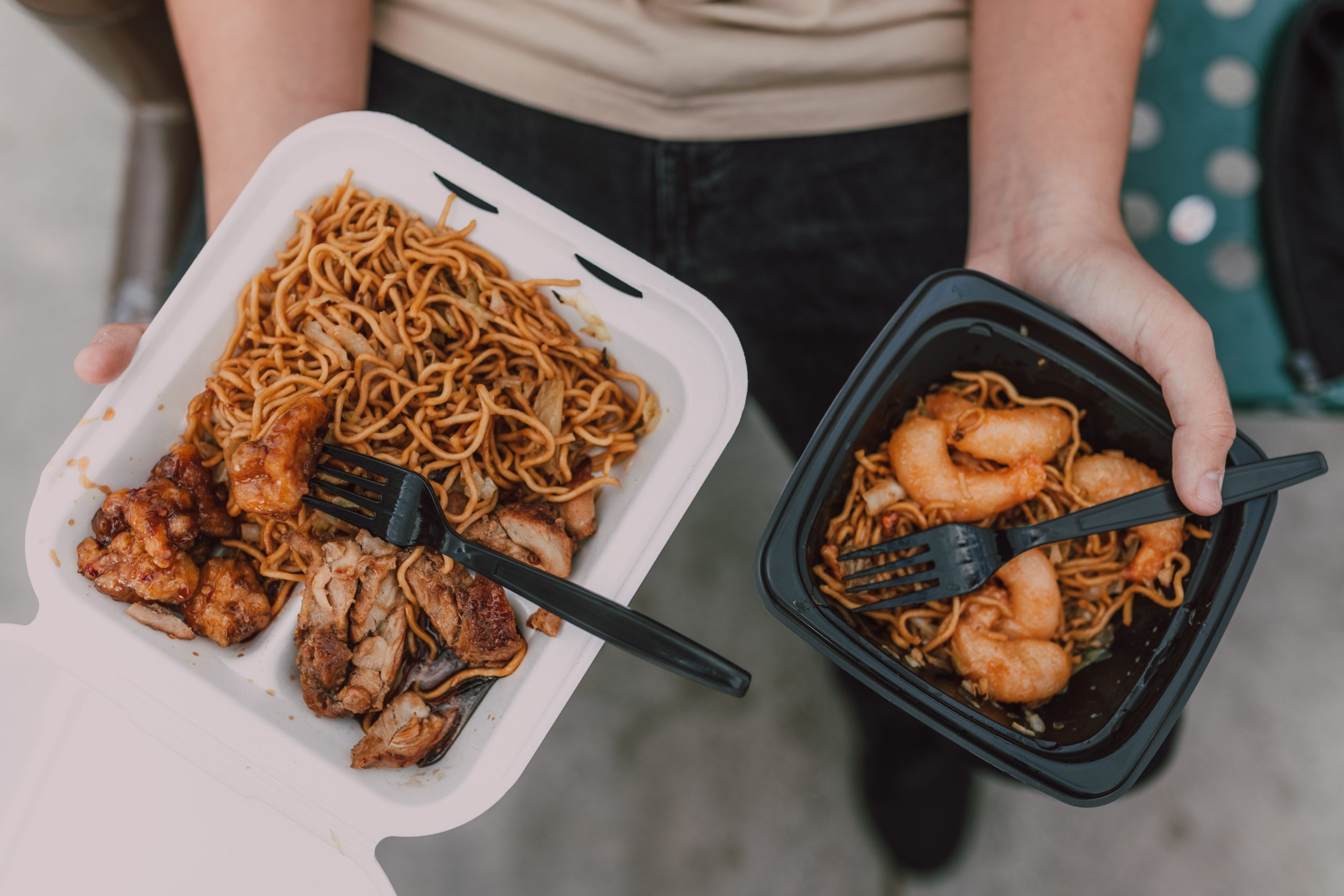
That familiar “recyclable” chasing arrows symbol stamped on the bottom of your black takeout container is a masterful piece of marketing fiction.
You finish a long workday, order from your favorite local Thai spot, and sit down to eat. The food is steaming hot. It smells incredible. But while that green curry has been sitting in traffic, a quiet chemical reaction has been taking place. Your hot dinner is currently marinating in the consequences of bad material science.
We all want to make better choices. We try to rinse out our containers. We dutifully toss the green “plant-based” forks into the recycling bin. We buy from plastic-free food brands when we can. But the packaging industry is built on a foundation of confusing labels, half-truths, and greenwashing.
It is time to look at the actual science behind our takeout habits. Let us expose the hidden traps of standard containers, break down the great bioplastic betrayal, and highlight genuine eco friendly food packaging that actually protects your health and the planet.
The Polymer Science: What Happens When Hot Food Meets Plastic?
Most people understand that plastic waste is a massive structural problem. We have all seen the photos of beaches covered in debris. Fewer people understand the immediate, personal health impact of what happens when a restaurant pours 200-degree broth into a standard plastic tub.
The Illusion of “Microwave Safe” Polypropylene
Take a look at the bottom of your standard clear or black plastic takeout container. You will likely see a number 5 inside a triangle. This is Polypropylene (PP). Restaurants love PP because it is cheap, durable, and highly heat-resistant. It will not melt into a puddle when holding hot soup.
Heat acts as a powerful catalyst. When you introduce boiling liquids, acidic sauces, or high-fat foods to Polypropylene, the polymer bonds undergo stress. General scientific consensus and recent studies on polymer degradation show that heat significantly accelerates the migration of microplastics. Millions of microscopic plastic particles can shed from the walls of the container directly into your food within minutes. You are quite literally eating your container.
The “BPA-Free” Loophole
Endocrine disruptors are chemicals that interfere with your body’s hormone systems. Bisphenol A (BPA) is the most famous one. After public outcry, manufacturers quickly swapped it out, proudly slapping “BPA-Free” labels on everything from water bottles to eco food packaging. A brilliant marketing trick.
What the labels do not tell you is that manufacturers simply substituted BPA with its chemical cousins: Bisphenol S (BPS) or Bisphenol F (BPF). Peer-reviewed toxicological studies indicate these sister chemicals mimic estrogen in the human body just as effectively as the original culprit. They increase the durability of the plastic, but they still leach into your lipid-rich foods. “BPA-Free” does not mean safe. It just means unregulated.
The Hidden PFAS in “Paper” Bowls
You might think you are making the safe choice by ordering a salad or a burrito bowl that comes in a molded fiber container. It looks like cardboard. It feels like cardboard. It must be better, right? Not exactly.
To keep grease and liquids from instantly turning that paper bowl into mush, manufacturers often coat the inside with PFAS (per- and polyfluoroalkyl substances). These are widely known as “forever chemicals” because they do not break down in the environment or in your body. When your hot food touches that grease-resistant barrier, those chemicals migrate. You dodge the microplastics, but you walk right into a chemical trap.
The Bioplastic Betrayal: Why Compostable Food Packaging is Often a Trap
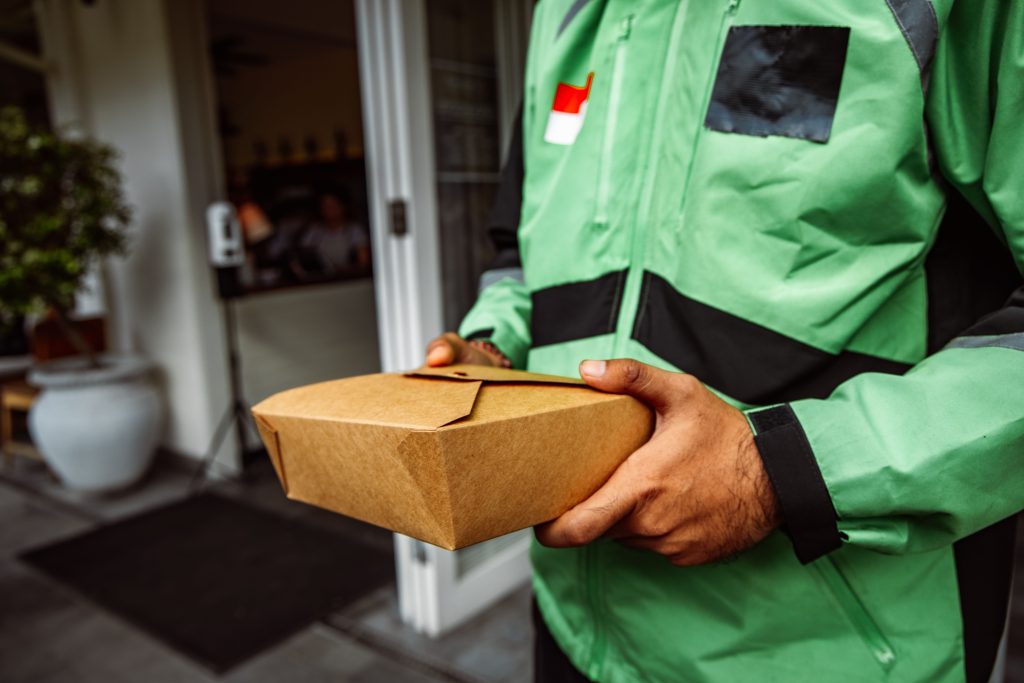
If traditional plastics are a chemical nightmare, then plant-based plastics must be the ultimate solution. This is the narrative sold to us by countless sustainable packaging solutions. You have probably seen those clear cups with a green leaf printed on them, proudly declaring they are “made from plants.” This brings us to the great bioplastic betrayal.
The Truth About PLA (Polylactic Acid)
The darling of the greenwashing world is Polylactic Acid (PLA). It is usually synthesized from fermented plant starch, like corn or sugarcane. It looks, feels, and acts exactly like traditional PET plastic. Brands label it as “biodegradable” and consumers feel great about using it.
Here is the catch: PLA requires highly specific conditions to actually break down.
For PLA to biodegrade, it must be processed in an industrial composting facility capable of maintaining sustained temperatures over 140 degrees Fahrenheit, alongside very specific humidity and microbial conditions. Most municipalities in the United States do not have access to these facilities. Your backyard compost bin will never get hot enough to break down a PLA cup.
Landfills and the Contamination Crisis
Because municipal compost access is so rare, one of two things happens to that “compostable” cup.
First, it gets thrown in the regular trash. Once it reaches the landfill, it is entombed under tons of garbage. Deprived of oxygen and light, PLA acts exactly like petroleum-based plastic. It does not turn into soil. It just sits there for decades, slowly releasing methane, a greenhouse gas significantly more potent than carbon dioxide.
Second, well-meaning consumers toss PLA into their recycling bins. Because it is visually identical to regular plastic, it enters the traditional recycling stream. A single batch of PLA can contaminate an entire bale of legitimate PET recyclables, causing the whole load to be diverted to the landfill.
Instead of solving the problem, biodegradable materials often make the existing recycling crisis worse.
Navigating Sustainable Packaging Solutions Without the Guilt
Trying to do the right thing is exhausting when the rules keep changing. It is not your fault that the system is rigged with confusing labels and false promises.
The most effective way to beat the plastic trap is to step outside of it entirely. Genuine eco friendly food packaging relies on materials that are infinitely reusable or entirely harmless to the earth. When building your personal zero-waste toolkit or requesting better options from your favorite takeout spots, rely on these proven materials.
Here are the best ways to upgrade your food storage and transport, categorized by your budget and commitment level.
Budget: The “Bring Your Own” Strategy
You do not need to spend a fortune to eliminate plastic from your food routine. The most sustainable packaging solutions are the ones you already own.
- Upcycled Glass Jars: Clean out your empty pasta sauce, pickle, and jam jars. Glass is infinitely recyclable, completely inert, and will never leach chemicals into your hot food. They are perfect for soups, smoothies, and zero waste snacks.
- The Direct Request: Talk to your local restaurants. Keep it friendly. Ask if they would be willing to pack your order in a container you bring from home. Many independent cafes are happy to do this for dry goods or baked items if you ask politely during non-peak hours.
- Aluminum Foil: If you are grabbing a sandwich or a wrap, ask the deli to wrap it strictly in aluminum foil instead of plastic wrap. Aluminum is highly recyclable and completely blocks grease without the need for PFAS coatings.
Best Overall: Stainless Steel and Silicone Hybrids
If you are ready to invest in a dedicated set of eco friendly food packaging for lunches and leftovers, this is the sweet spot for durability and safety.
- Food-Grade Stainless Steel Bento Boxes: Stainless steel is the gold standard. It is lightweight, indestructible, and completely non-toxic. Look for high-quality 304 or 316-grade steel. These containers can handle boiling hot food without a single chemical reaction.
- Platinum Silicone Bags: Forget the flimsy single-use zip bags. Pure platinum silicone can withstand freezing temperatures and boiling water. They are excellent for storing zero waste snacks or freezing bulk meals. Just ensure the brand specifies “100% platinum silicone” to avoid plastic fillers.
- Silicone-Sealed Glass Containers: Glass containers with bamboo lids and silicone seals offer an airtight, plastic-free environment. They are heavy, but they transition perfectly from the fridge to the oven to the table.
Investment: High-End Modular Glass and Titanium Systems
For the ultimate zero-waste commitment, you can look toward high-end, ultralight, and highly engineered solutions.
- Titanium Tiffins: Popular in the backpacking community, titanium food containers are incredibly light, completely biocompatible, and practically indestructible. They are a steep upfront investment but will literally last for generations.
- Insulated Stainless Steel Canisters: Double-walled, vacuum-insulated stainless steel thermoses are perfect for keeping soups piping hot or salads crisp for hours, entirely eliminating the need to reheat food in questionable office microwaves.
Supporting Plastic-Free Food Brands and Zero Waste Snacks
You vote with your wallet every time you buy groceries. The demand for true eco friendly food packaging is growing because consumers are finally getting tired of the greenwashing.
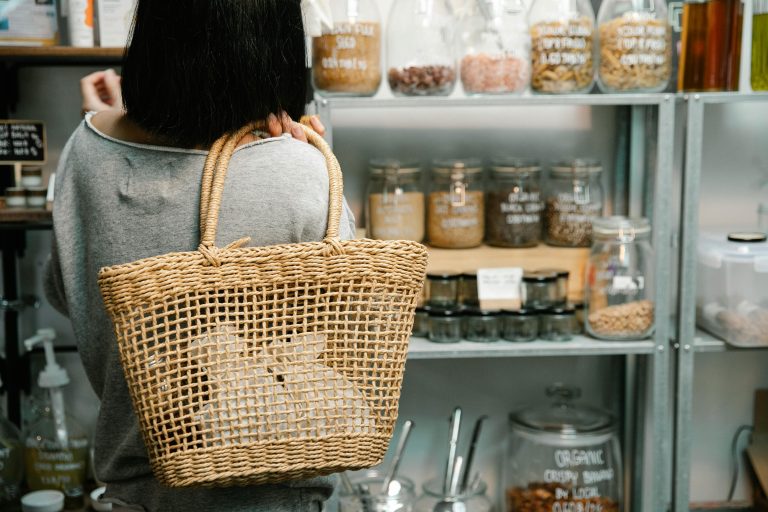
Look for brands that prioritize genuinely biodegradable materials like unlined cardboard, home-compostable cellulose, or infinitely recyclable aluminum and glass. When buying zero waste snacks, opt for bulk bins using your own cotton bags, or choose companies that package their goods in glass jars that you can repurpose.
The transition to a lower-plastic lifestyle is not about achieving absolute perfection. It is about making informed choices. It is about knowing that the “BPA-Free” label is a distraction, that your local compost facility probably cannot process bioplastics, and that hot soup simply belongs in glass or steel.
Frequently Asked Questions
What is the definition of true eco friendly food packaging? True eco friendly food packaging refers to materials that either have a zero-impact end-of-life cycle (like home-compostable unlined paper) or can be infinitely recycled without losing quality (like glass and aluminum). It actively avoids petroleum-based plastics, PFAS-coated fibers, and industrial-only bioplastics that mislead consumers.
Are compostable food packaging containers actually better for the environment? Often, they are not. Most commercial compostable food packaging is made from PLA (Polylactic Acid), which requires specialized industrial facilities with temperatures exceeding 140 degrees Fahrenheit to break down. If these containers end up in a standard landfill, they fail to degrade and can release methane.
Why is it dangerous to put hot food in plastic containers? When plastics like Polypropylene (number 5) or Polystyrene (number 6) are exposed to high heat, the polymer bonds degrade faster. This heat acts as a catalyst, causing microplastics, plasticizers, and potential endocrine-disrupting chemicals to leach directly into your food, especially if the food is acidic or high in fat.
What does “BPA-Free” really mean on eco food packaging? “BPA-Free” simply means the product does not contain Bisphenol A. However, manufacturers frequently replace BPA with closely related chemicals like Bisphenol S (BPS) or Bisphenol F (BPF). Toxicological studies show these replacements can be just as disruptive to the human endocrine system as the original chemical.
How do I know if my paper takeout bowl has PFAS forever chemicals? If a molded fiber or paper bowl can hold hot, greasy, or wet food for an extended period without leaking or turning soggy, it is highly likely coated with PFAS (per- and polyfluoroalkyl substances). These grease-resistant chemicals do not break down in the environment and have been linked to severe health issues.
What are the best biodegradable materials for food storage? The safest biodegradable materials are those that can break down in a standard backyard compost bin. Look for unlined kraft paper, untreated cardboard, bamboo, and certified home-compostable cellulose films. Avoid anything that looks like clear plastic but claims to be plant-based, as it usually requires industrial composting.
How can I transition to sustainable packaging solutions on a tight budget? The most budget-friendly sustainable packaging solutions involve reusing what you already have. Wash and repurpose glass jars from store-bought sauces and jams. Use standard aluminum foil for wrapping sandwiches. You can also ask local restaurants if they will pack your takeout in your own clean containers.
Where can I find legitimate plastic-free food brands? Legitimate plastic-free food brands are often found at local farmers markets, zero-waste grocery stores, or dedicated online marketplaces focusing on sustainability. Look for brands that package their goods in glass, aluminum, or 100% recycled unlined paper, and avoid those using flexible plastic pouches.
What materials should I look for when buying containers for zero waste snacks? For storing zero waste snacks, prioritize food-grade stainless steel (304 or 316 grade), pure platinum silicone bags, and glass containers. These materials are durable, non-toxic, and can be reused thousands of times without degrading or holding onto food odors.
Can I recycle black plastic takeout containers? In most municipalities, you cannot recycle black plastic. The optical sorting lasers at recycling facilities bounce off black materials, making the plastic invisible to the sorting machines. Consequently, black plastic containers are almost always diverted directly to the landfill, regardless of the recycling symbol stamped on the bottom.

This article contains affiliate links. As an Amazon Associate, Plastic Free Everything earns from qualifying purchases at no extra cost to you.