Top 5 Plastic-Free Clothing Brands to Lower Your Carbon Footprint
Your favorite workout leggings are likely shedding thousands of microplastics into the water supply with every wash. But finding clothes that don’t secretly wear like a plastic bag shouldn’t require a chemistry degree or a trust fund.
When we talk about reducing our plastic footprint, we usually point at single-use water bottles or grocery bags. Yet, the fashion industry is hiding one of the most massive plastic pollution crises right inside our closets. More than two-thirds of all materials used in textiles today are synthetic fibers. That is just a polite industry term for plastic.
Getting dressed should not mean wearing fossil fuels. However, navigating the world of sustainable fashion can feel overwhelming, expensive, and riddled with greenwashing. We are going to look past the marketing slogans and break down the actual carbon math of your closet. We will look at why the local thrift store is your best friend, the polymer science of why synthetics are so carbon-heavy, and the top five plastic-free clothing brands that are genuinely lowering their carbon footprint when you do need to buy new.
Progress over perfection is the goal here. Let us figure out how to dress better without the guilt.
The Polymer Science: Why Are Clothes Made of Plastic?
To understand the carbon footprint of our clothing, we need to understand what we are actually wearing.
When you read “polyester,” “nylon,” “acrylic,” or “spandex” on a clothing tag, you are reading the names of synthetic polymers derived directly from petroleum. Polyethylene terephthalate (PET) is the exact same chemical substance used to make plastic soda bottles. The fashion industry loves PET because it is incredibly cheap to produce, easily stretchable, and highly durable.
The problem begins at extraction. Creating these synthetic fibers requires drilling for oil, refining that crude oil into petrochemicals, and undergoing highly energy-intensive polymerization processes. According to lifecycle assessment data, producing one kilogram of polyester fabric generates roughly 20.5 kilograms of carbon dioxide equivalents.
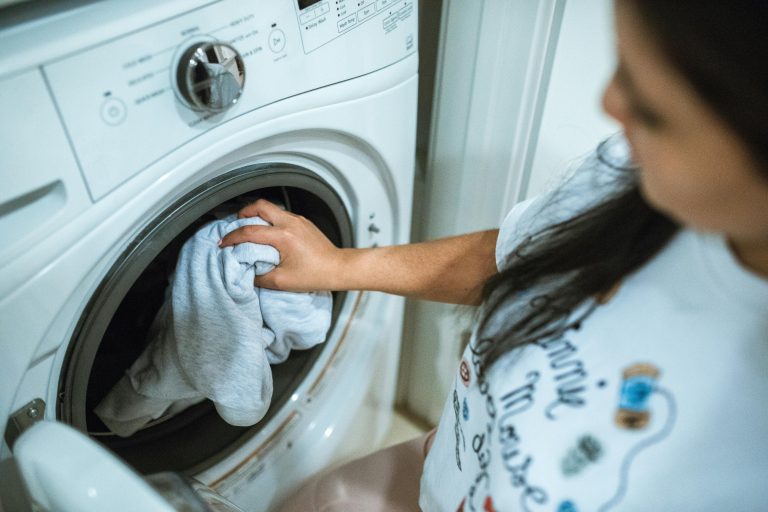
Beyond the initial carbon spike of manufacturing, synthetic clothes are structurally problematic. Because they are made of tiny, extruded plastic filaments, they break down through friction. Every time you throw a polyester shirt into the washing machine, the agitation snaps thousands of microscopic plastic fibers loose. These microplastics drain out with the wash water, slip through municipal water treatment filtration systems, and end up in our rivers and oceans.
Recycled polyester, often touted as an eco-friendly alternative, is a classic example of greenwashing. While taking plastic water bottles and spinning them into a fleece jacket sounds great in theory, the mechanical recycling process shortens the plastic polymer chains. This makes the resulting fabric structurally weaker, which means recycled polyester actually sheds microplastics at a faster rate than virgin polyester.
What is the Carbon Math of a T-Shirt?
The carbon footprint of a garment is not just about the material. It is a calculation of the entire supply chain. When environmental scientists conduct a Life Cycle Assessment (LCA) on a piece of clothing, they look at several distinct phases:
- Raw Material Extraction: Growing the cotton or drilling for the oil.
- Processing and Spinning: Turning raw material into usable yarn.
- Dyeing and Finishing: This is heavily chemical and energy-intensive.
- Manufacturing: Cutting and sewing the garment.
- Distribution: Shipping the garment across the ocean, then onto trucks, and finally to your door.
- Consumer Use: How often you wash, dry, and iron the garment.
- End of Life: Does it compost, or does it sit in a landfill for 500 years?
Even natural fibers like conventional cotton carry a heavy footprint if they are heavily sprayed with synthetic pesticides and require massive irrigation. However, a 100 percent natural, organic fiber at least has the capacity to return to the earth. A synthetic fiber will simply break down into smaller and smaller pieces of plastic.
The true hidden cost of modern fashion is the shipping. A single fast-fashion garment might see its raw materials grown in India, spun in China, sewn in Bangladesh, and shipped via air freight to a warehouse in the United States, all wrapped in multiple layers of plastic poly-bags.
Why Buying Secondhand is the Ultimate Carbon Hack
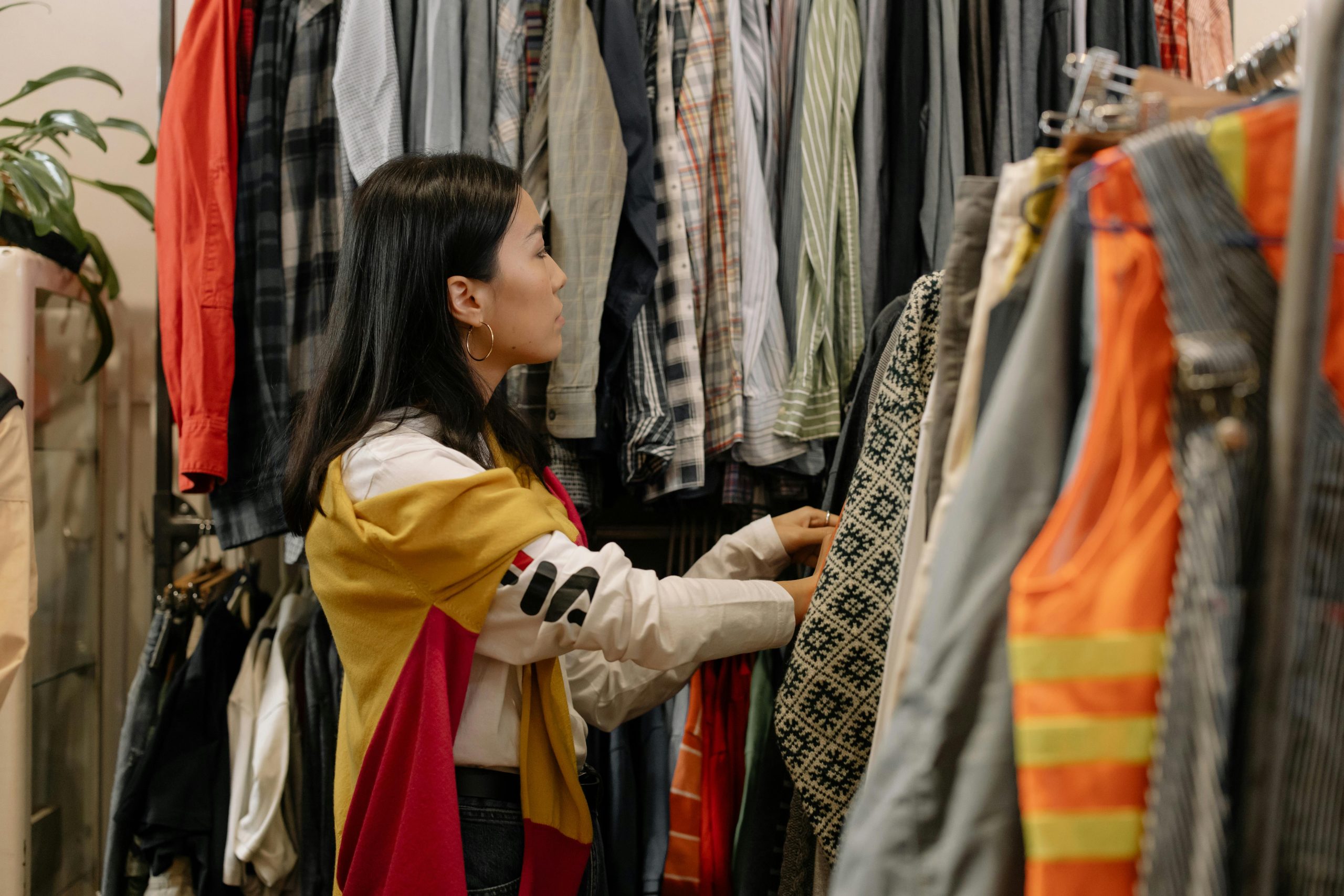
If you are a consumer looking to lower your carbon footprint, your most powerful weapon is not a high-end organic linen brand. It is the local thrift store. The most sustainable piece of clothing in the world is the one that has already been manufactured.
When you buy a secondhand garment, you are entirely bypassing the first four massive steps of the Life Cycle Assessment. The cotton does not need to be grown. The oil does not need to be extracted. The fabric does not need to be dyed or sewn. The carbon footprint of producing the garment has already been spent.
Studies show that extending the active life of a garment by just nine extra months can significantly reduce its environmental impact. Furthermore, research from the climate action charity WRAP indicates that if every adult bought half of their next wardrobe secondhand instead of new, it could prevent billions of kilograms of carbon dioxide emissions from entering the atmosphere.
Shopping at a local thrift store also eliminates the distribution footprint. You are not waiting for a diesel truck to drop a package on your porch. You are walking into a community building and walking out with a garment.
Does this mean you should never buy new clothes? Absolutely not. Underwear, socks, and highly specific functional gear are perfectly valid things to buy new. The goal is to shift the ratio. If you can thrift your jeans, sweaters, and jackets, you save your budget and your carbon footprint for investing in high-quality, plastic-free basics from brands that actually respect the supply chain.
The Top 5 Plastic-Free Clothing Brands
When you do need to buy new, you should look for brands that prioritize natural materials, localized supply chains, and zero-plastic packaging. Here are five brands doing the heavy lifting for you, categorized by price point and specialty.
1. Pact – Best Budget Brand
The Vibe: Your daily uniform of super-soft, Earth-conscious basics.

Pact is widely recognized for making organic cotton accessible to the everyday consumer. If you are transitioning your wardrobe away from synthetic activewear and cheap basics, this is the perfect starting point.
- Materials: Pact relies heavily on Global Organic Textile Standard (GOTS) certified organic cotton. Organic cotton farming uses up to 81 percent less water than conventional cotton and completely eliminates toxic synthetic pesticides from the soil.
- Carbon Footprint: They partner with SimpliZero to offset the carbon footprint of their shipping, effectively rendering the delivery of their products carbon neutral.
- Packaging: They have made massive strides in packaging, utilizing recyclable paper bags and cardboard mailers instead of the traditional plastic poly-mailers that plague the industry.
- Community: They partner with Fair Trade Certified factories, ensuring safe working conditions and community development funds for the garment workers.
2. Harvest & Mill – Best for Carbon Reduction
The Vibe: Seed-to-stitch heritage basics with an uncompromising zero-toxic approach.

If you want a brand that treats plastic and supply chain emissions like literal poison, Harvest & Mill is your answer. They recognized that shipping organic cotton across the globe to be milled, sewn, and shipped back creates a massive carbon footprint, even if the fabric itself is natural. Their solution was to bring everything closer to home.
- Materials: They use 100 percent organic cotton exclusively. What sets them apart is their dedication to raw purity. They offer an “Organic Heirloom” collection that is completely un-dyed and unbleached. No toxic chemical processing. No synthetic elastic blends. Just pure, breathable fabric.
- Carbon Footprint: Harvest & Mill keeps its supply chain incredibly tight. Their garments are grown, milled, designed, and sewn entirely within the USA. This localized production model drastically cuts down on the staggering international shipping emissions that usually plague the fashion industry.
- Packaging: They ship using 100 percent plastic-free, compostable materials.
- End of Life: Because their raw heirloom products lack synthetic threading, chemical dyes, and plastic tags, a worn-out Harvest & Mill shirt could theoretically be tossed right into your backyard compost pile.
3. MATE the Label – Best Investment
The Vibe: Elevated Los Angeles streetwear that actually walks the walk.

MATE the Label provides the perfect aesthetic for people who love modern, minimalist lounge wear but hate the synthetic reality of most modern athleisure.
- Materials: MATE strictly forbids the use of polyester, nylon, and polyamide. Their core fabrics are organic cotton, flax linen, and Tencel. They employ a strict Restricted Chemicals list, ensuring no toxic dyes or formaldehyde end up on your skin.
- Carbon Footprint: They are formally Climate Neutral Certified. By keeping their manufacturing strictly localized in Los Angeles (garment dyeing, cutting, and sewing all happen within a few miles of each other), they maintain an incredibly low transportation footprint prior to final shipping.
- Packaging: They ship completely plastic-free. Your sweatpants will arrive wrapped in tissue paper inside a compostable mailer.
- Circularity: They offer a specific recycling program allowing customers to send back old MATE garments to be recycled into new yarn, actively promoting a circular economy.
4. Tentree – Best Community Impact
The Vibe: Outdoor adventure wear with a massive give-back model.

Tentree is famous for exactly what their name implies. They plant ten trees for every item purchased. However, their commitment to removing plastic from the apparel industry is just as impressive.
- Materials: They utilize organic cotton, hemp, and Tencel. While they do currently use some recycled synthetics in their outerwear for weather resistance, they have publicly committed to phasing out all virgin plastics and are actively investing in bio-based alternatives.
- Carbon Footprint: The sheer volume of their tree-planting initiative acts as a massive carbon sequestration project. To date, they have planted nearly 100 million trees across the globe, focusing on restoring degraded ecosystems and providing localized employment in planting regions.
- Packaging: They have eliminated single-use plastic from their packaging, opting for roll-packing methods tied with natural twine and shipped in post-consumer recycled paper bags.
- Community: Their planting projects provide steady income, food security, and agricultural education to local communities in countries like Madagascar, Senegal, and Nepal.
5. Industry of All Nations – Best High-End Basics
The Vibe: Architectural, timeless basics with the cleanest dye process on Earth.
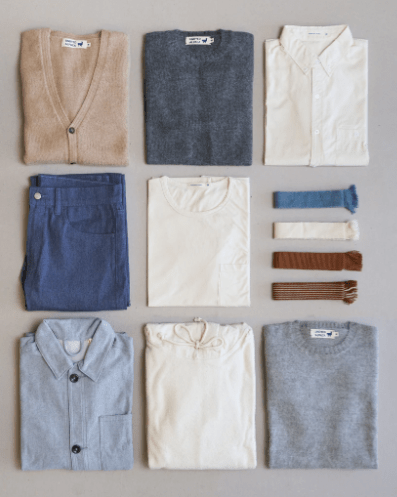
Industry of All Nations (IOAN) treats clothing manufacturing like an anthropological preservation project. They do not just make clothes. They find communities with historical expertise in natural textiles and bring the manufacturing directly to them.
- Materials: They are famous for their “Clean Clothes” project, utilizing 100 percent organic cotton and natural, un-dyed alpaca wool. For their dyed garments, they use incredibly rare, 100 percent natural plant and insect dyes (like indigo and madder root) instead of petrochemical dyes.
- Carbon Footprint: IOAN operates on a localized production model. If they source alpaca wool from Bolivia, the garment is spun, knit, and finished entirely in Bolivia by local artisans before being shipped out. This prevents the raw material from being flown to three different countries before becoming a sweater.
- Packaging: Minimal, plastic-free, and highly intentional.
- End of Life: An un-dyed, organic cotton t-shirt stitched with organic cotton thread is the definition of a biodegradable garment.
Progress Over Perfection: How to Handle the Plastic You Already Own
Reading about the perfect organic linen shirt might make you want to throw away your entire closet of fast-fashion synthetics. Do not do that.
Throwing away perfectly functional clothing just because it contains polyester is not environmentally friendly. It just sends plastic to the landfill faster. The most sustainable approach is to wear the clothes you already own until they completely fall apart.
To mitigate the damage while you wear them, change your laundry habits. Wash your synthetic clothes only when they are actually dirty, rather than after every single wear. Use cold water and gentle cycles, which create less friction and reduce microplastic shedding. You can also invest in a microfiber-catching laundry bag (like the Guppyfriend) or attach a microfiber filter to your washing machine discharge hose. Finally, skip the dryer. Line drying your synthetic leggings prevents the heat and tumbling action from blasting microplastics into the air through the dryer vent.
Transitioning to a plastic-free wardrobe is a marathon, not a sprint. Start by thrifting your next pair of jeans. Buy an organic cotton shirt when your old synthetic one finally rips. Demand better packaging from the brands you love.
Frequently Asked Questions
1. What is the most eco-friendly fabric for clothing? The most eco-friendly fabrics are 100 percent natural, regenerative materials like organic hemp, organic linen, and organic cotton. These materials require less water than conventional cotton, use no synthetic pesticides, and are fully biodegradable at the end of their life cycle.
2. Why is polyester bad for the environment? Polyester is a synthetic polymer made from petroleum. Its production requires drilling for oil and energy-intensive manufacturing, resulting in a high carbon footprint. Additionally, polyester garments shed microscopic pieces of plastic (microplastics) into the water system every time they are washed.
3. Does washing clothes in cold water reduce microplastics? Yes. Washing synthetic clothes in cold water on a gentle cycle significantly reduces microplastic shedding. Hot water and aggressive agitation break down the synthetic fibers faster, releasing more plastic particles into the washing machine wastewater.
4. Is recycled polyester actually sustainable? Recycled polyester is a complicated material. While it keeps plastic water bottles out of landfills temporarily, the mechanical recycling process weakens the plastic fibers. This causes recycled polyester clothing to shed microplastics faster than virgin polyester. It is a stepping stone, but not a long-term sustainability solution.
5. What is the carbon footprint of buying secondhand clothes? Buying secondhand clothing reduces the carbon footprint of a garment by roughly 60 to 70 percent. Because the item already exists, thrifting entirely bypasses the emissions associated with growing raw materials, manufacturing, chemical dyeing, and initial global shipping.
6. Do clothes made from bamboo contain plastic? Bamboo itself is a natural plant, but most bamboo clothing is processed into “bamboo viscose” or “bamboo rayon.” This requires intense chemical processing to turn the hard wood into a soft fiber. While it is technically not plastic, the heavy chemical usage makes it less eco-friendly than raw organic cotton or linen unless processed in a closed-loop system (like Tencel).
7. How do I know if my clothes are shedding microplastics? If the tag on your clothing lists polyester, nylon, acrylic, polyamide, or spandex, it is shedding microplastics during washing and wearing. Natural fibers like 100 percent cotton or wool shed fibers as well, but those natural fibers safely biodegrade in the environment.
8. What is zero-plastic packaging in fashion? Zero-plastic packaging means a brand ships its clothing without using traditional plastic poly-mailers or plastic garment bags. Sustainable brands will use recyclable cardboard boxes, compostable paper mailers, and wrap the garments in tissue paper or secure them with natural twine.
9. Can I compost 100 percent cotton clothing? Yes, you can compost 100 percent organic cotton clothing, provided it was not treated with toxic chemical dyes and was sewn with natural cotton thread. You must remove any plastic buttons, metal zippers, or synthetic tags before placing the garment in a compost system.
10. Why is localized manufacturing important for clothing? Localized manufacturing means the raw materials are grown, spun, dyed, and sewn into a garment in the same geographic region. This drastically reduces the carbon emissions associated with global shipping. In fast fashion, a garment might travel to four different countries before it is ever sold to a consumer.

This article contains affiliate links. As an Amazon Associate, Plastic Free Everything earns from qualifying purchases at no extra cost to you.