Single-Use Plastics You Haven’t Replaced Yet (And What to Use Instead)
You finally broke up with flimsy grocery bags and disposable water bottles, but your morning routine is still secretly wrapped in petroleum.
Let us be completely honest for a second. Swapping out your everyday items for sustainable alternatives is exhausting. You buy the expensive bamboo toothbrush. You lug the heavy reusable cup to the coffee shop. Then you get home, open your fridge, and realize your leftover lasagna is mummified in Saran wrap. You feel like a hypocrite.
Eco-burnout is a very real psychological phenomenon. We often give up on our sustainable goals because the alternatives create too much friction in our daily lives. They cost too much. They leak in our bags. They simply do not work as well as the toxic stuff we are used to.
But relying on the recycling bin to absolve our guilt is a comforting lie. According to the United Nations Environment Programme, only about nine percent of all plastic ever produced has actually been recycled. The rest sits in landfills, incinerators, or breaks down into microscopic shards in our oceans. We have to stop relying on waste management and start reducing our consumption at the source.
This guide is not about making you feel bad. It is about working smarter. We are going to bypass the obvious beginner swaps and target the stealthy, high-friction single use plastics hiding in your home. By applying behavioral psychology and polymer science, we will find the absolute lowest-friction zero waste lifestyle tips that actually stick.
Why Do We Fail at Zero Waste Living? The Psychology of “Friction”
Before we look at the physical items in your home, we have to look at your brain.
Behavioral scientists know that human beings are wired to conserve energy. We will almost always choose the path of least resistance. In the context of habit formation, any obstacle between you and your desired action is called “friction.”
When a sustainable swap introduces high friction, your brain rebels. If your eco-friendly dish soap requires you to grate a block of hard soap and melt it on the stove every two weeks, you are going to quit. You will eventually run out of time, get frustrated, and buy a plastic jug of Dawn from the corner store.
The secret to eliminating single use plastics is not willpower. It is lowering the friction of the alternative. The swaps must be as easy, effective, and affordable as the petroleum-based products they are replacing.
Here are the sneaky plastics you are still using, the exact science of why they need to go, and the low-friction replacements that actually work.
The Heavy Illusion: Liquid Laundry Detergent Jugs
The Polymer Science: High-Density Polyethylene (HDPE)
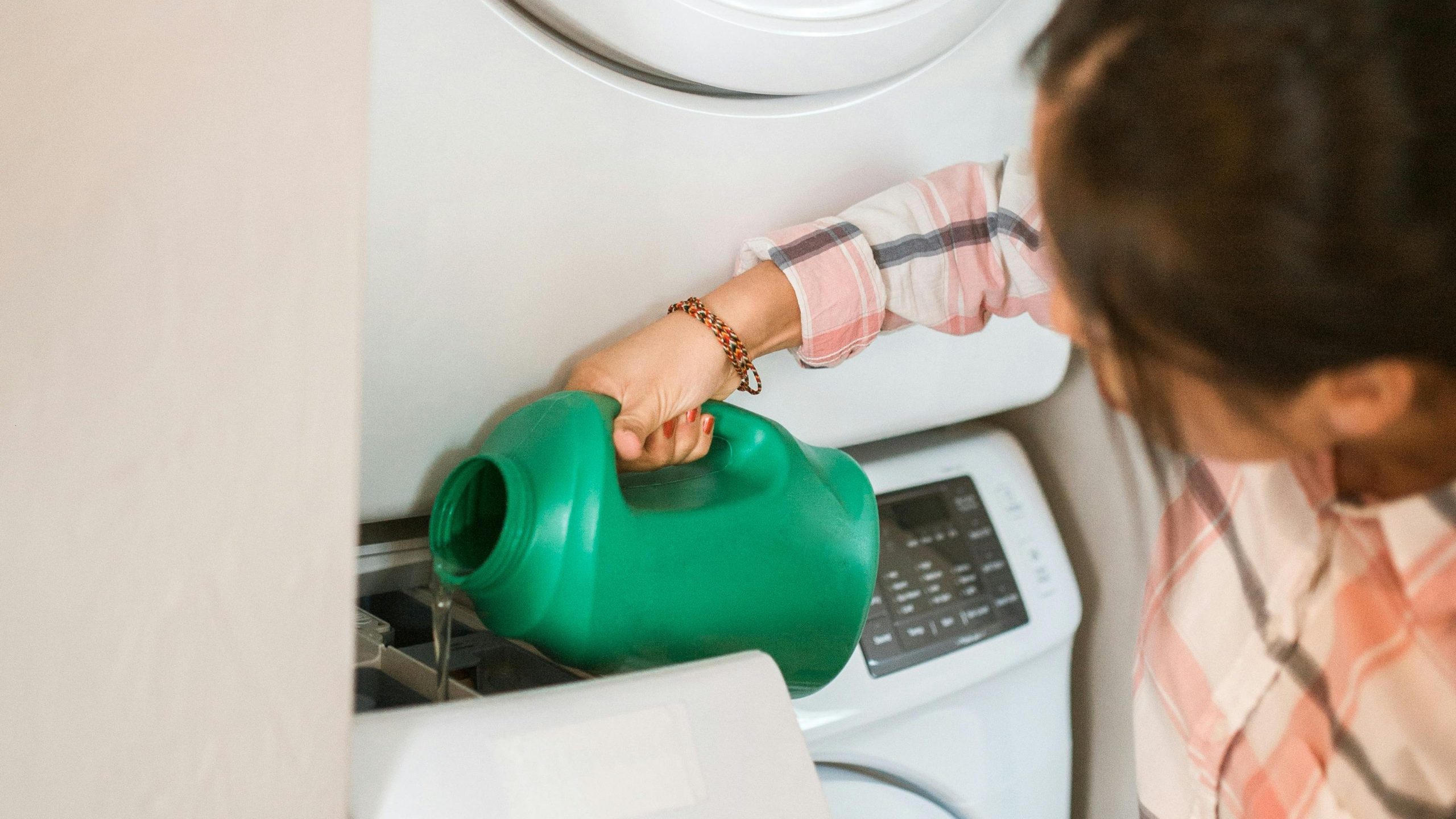
Walk down any laundry aisle and you are staring at a wall of massive, brightly colored plastic jugs. These jugs are made of High-Density Polyethylene. While HDPE is technically highly recyclable, the reality of the recycling system is broken. Many of these jugs end up in landfills simply because facilities cannot process the sheer volume of waste.
Furthermore, liquid laundry detergent is up to 90 percent water. When you buy a heavy jug, you are paying a premium to ship heavy water across the country in a petroleum vessel. This creates an enormous, unnecessary carbon footprint.
The friction of changing laundry habits is high because we are conditioned to believe that bright blue, heavily fragranced liquid is the only thing that cleans our clothes. It is not.
What to Use Instead
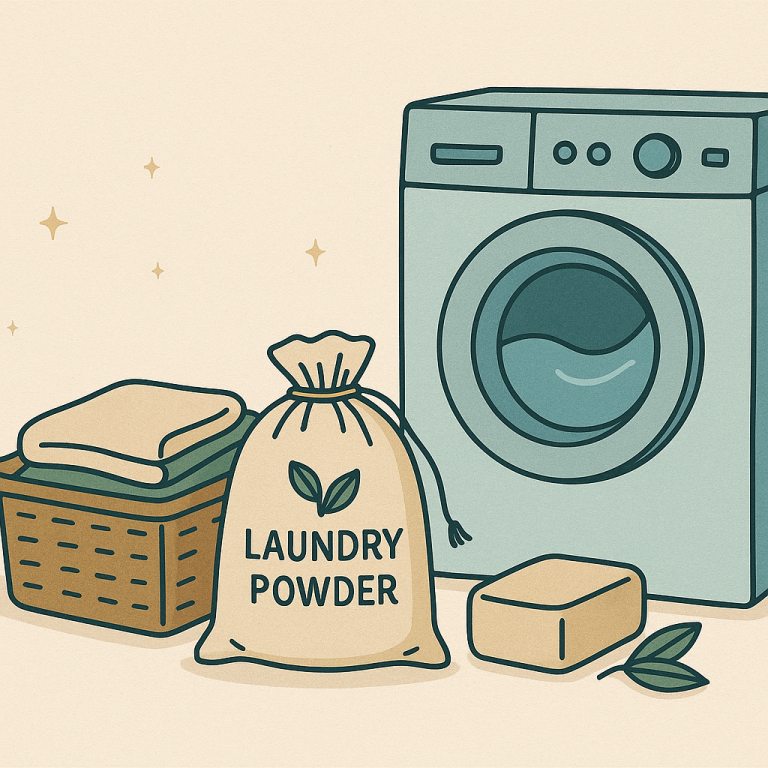
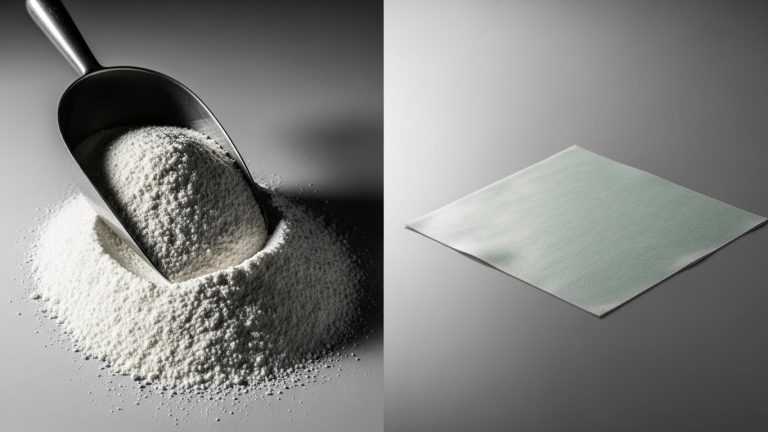
Budget: Powdered Detergent in Cardboard. You do not need fancy eco-brands to start. Simple powdered detergent packaged in a cardboard box is highly effective, ships lighter, and eliminates the plastic jug entirely. Just ensure the brand you choose does not coat the inside of the box in a hidden plastic film.
Best Overall: Blueland Laundry Tablets. Blueland has mastered the low-friction swap. They ship you a beautiful steel tin once. After that, you receive compostable paper pouches filled with dry, concentrated laundry tablets. You just drop one in the drum. There is no measuring, no sticky liquid spilling everywhere, and absolutely no single use plastics. It is the perfect intersection of convenience and sustainability.
Investment: Branch Basics Premium Kit. If you want to overhaul your entire cleaning routine alongside your laundry, Branch Basics is a powerhouse. They provide durable, reusable glass and tritan bottles. You buy one highly concentrated, non-toxic formula and mix it with your own water at home. It functions flawlessly as a laundry booster, stain remover, and all-purpose cleaner.
The Toxic Cling: Plastic Wrap and Sandwich Bags
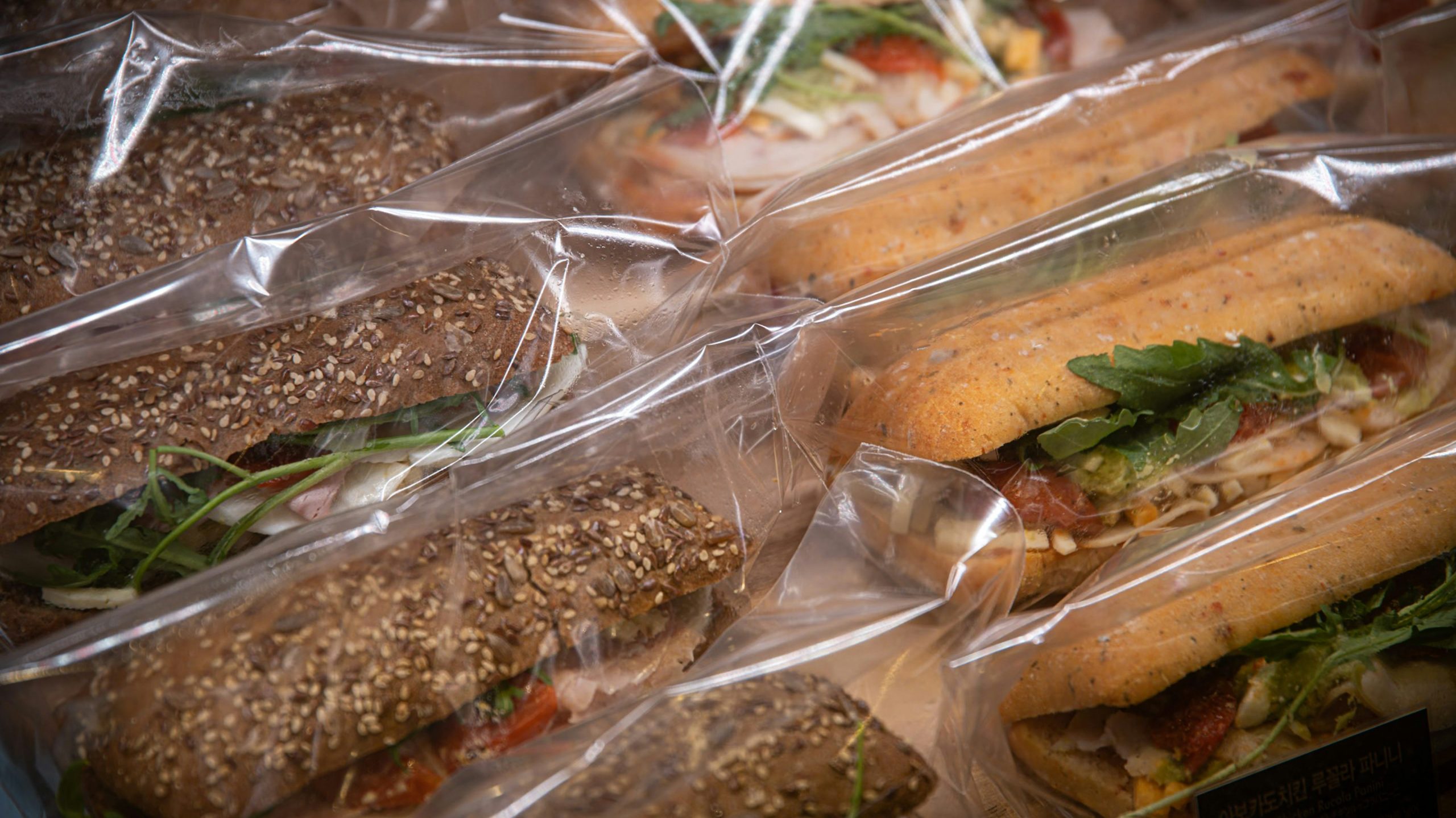
The Polymer Science: Low-Density Polyethylene (LDPE) and Polyvinylidene Chloride (PVDC)
Plastic wrap is perhaps the most insidious item in the modern kitchen. It is incredibly thin, highly flexible, and explicitly designed for a single brief use before hitting the trash.
From a recycling standpoint, thin films like LDPE are a nightmare. You cannot put them in your curbside bin. They wrap around the sorting gears at recycling facilities, jamming the entire operation and causing costly shutdowns.
From a health standpoint, it is even worse. When you cover a warm plate of food with plastic wrap, or store fatty foods like cheese in a plastic sandwich bag, chemical migration occurs. Heat and fat act as excellent solvents. They pull endocrine-disrupting chemicals and microplastics directly out of the film and into your dinner.
What to Use Instead
Budget: The “Plate Over Bowl” Method. You do not need to buy anything to fix this problem. If you have leftover pasta in a bowl, simply place a ceramic plate on top of it and put it in the fridge. Upcycling glass pasta sauce jars is another completely free way to store soups, sauces, and dry goods.
Best Overall: Stasher Silicone Bags. When you need the exact functionality of a plastic zip bag, Stasher bags are the undisputed champion. Made from pure platinum silicone, they do not leach chemicals into your food. They are safe for the freezer, the microwave, the dishwasher, and even boiling water. They have zero friction because they operate exactly like the plastic bags you are used to, but they last for years.
Investment: High-Quality Glass Container Set. For total kitchen organization, invest in a matching set of tempered glass containers with locking silicone lids. Glass is completely inert. It will never stain, it will never warp in the dishwasher, and it will never transfer chemicals into your food.
The Microplastic Factory: Synthetic Kitchen Sponges
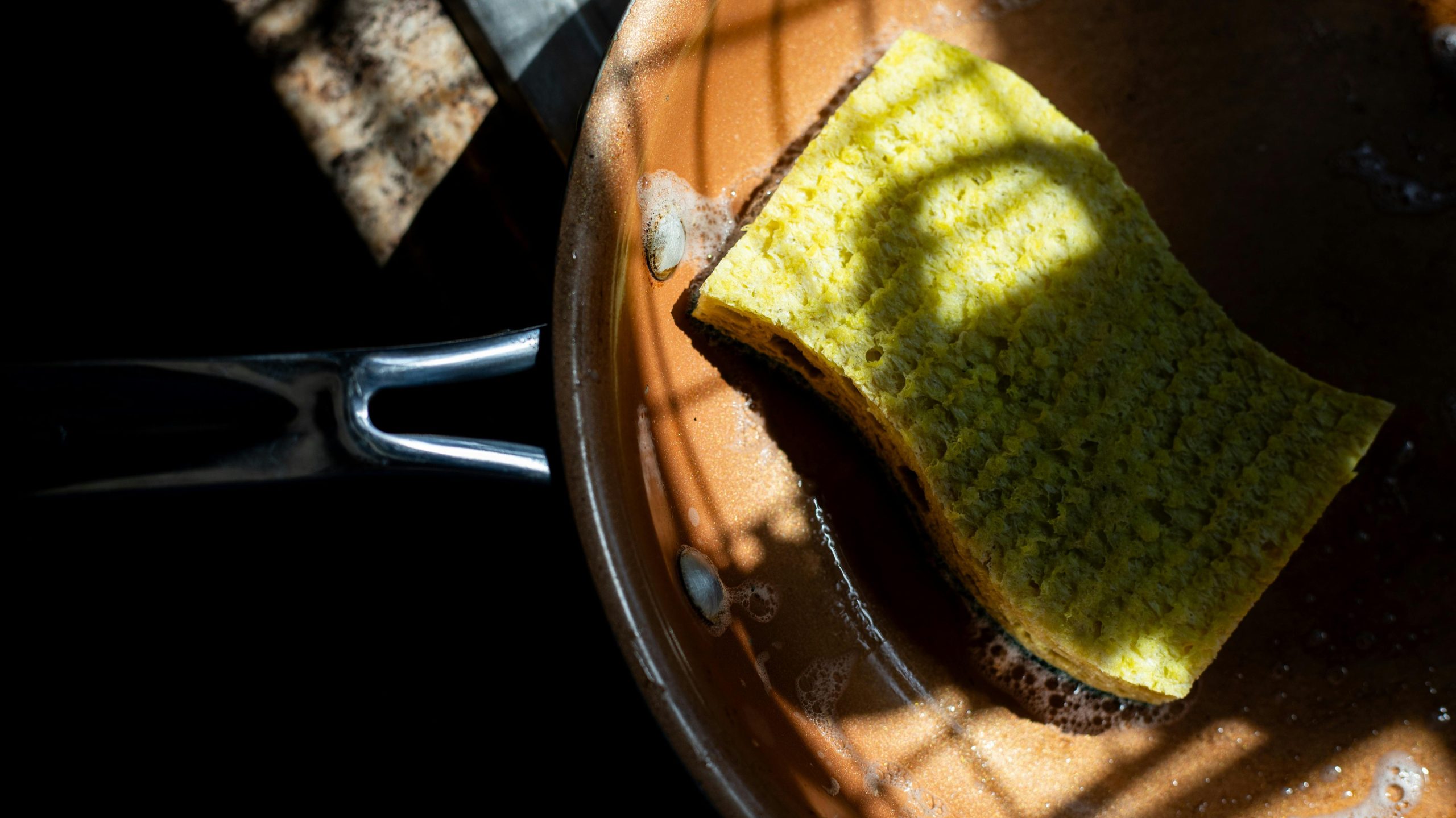
The Polymer Science: Polyurethane Foam
Take a look at the yellow and green sponge sitting next to your kitchen sink. That innocent-looking cleaning tool is a hidden microplastic factory.
Most conventional kitchen sponges are made from synthetic polyurethane foam. Every single time you scrub a rough pot or wipe down a textured counter, the friction tears microscopic shards of plastic off the sponge. These microplastics wash directly down your drain. Water treatment plants are not equipped to filter out particles this small, so they flow straight into our rivers, oceans, and agricultural water supplies.
Worse still, synthetic sponges are notorious breeding grounds for bacteria, forcing you to throw them away and buy new ones every few weeks. This is a constant, recurring cycle of plastic pollution.
What to Use Instead
Budget: Natural Loofah Slices. Many people do not realize that a loofah is not a sea sponge. It is a dried gourd. You can buy completely natural, untreated loofah slices for pennies. They puff up when wet, offer excellent scrubbing power, and can be tossed directly into your garden compost bin when they wear out.
Best Overall: Swedish Dishcloths. These are an absolute game changer for zero waste lifestyle tips. Made from a blend of cellulose (wood pulp) and cotton, a single Swedish dishcloth replaces up to 17 rolls of paper towels and outlasts conventional sponges. They dry incredibly fast, which prevents bacterial growth, and they are fully compostable at the end of their life.
Investment: Wooden Dish Brush with Replaceable Heads. A beautiful beechwood dish brush with tampico fiber bristles looks stunning on your counter and works harder than any plastic sponge. When the bristles finally flatten out, you simply unclip the wooden head, compost it, and attach a new one while keeping the original handle.
The Coffee Cup Fallacy: Disposable Cups and Pods
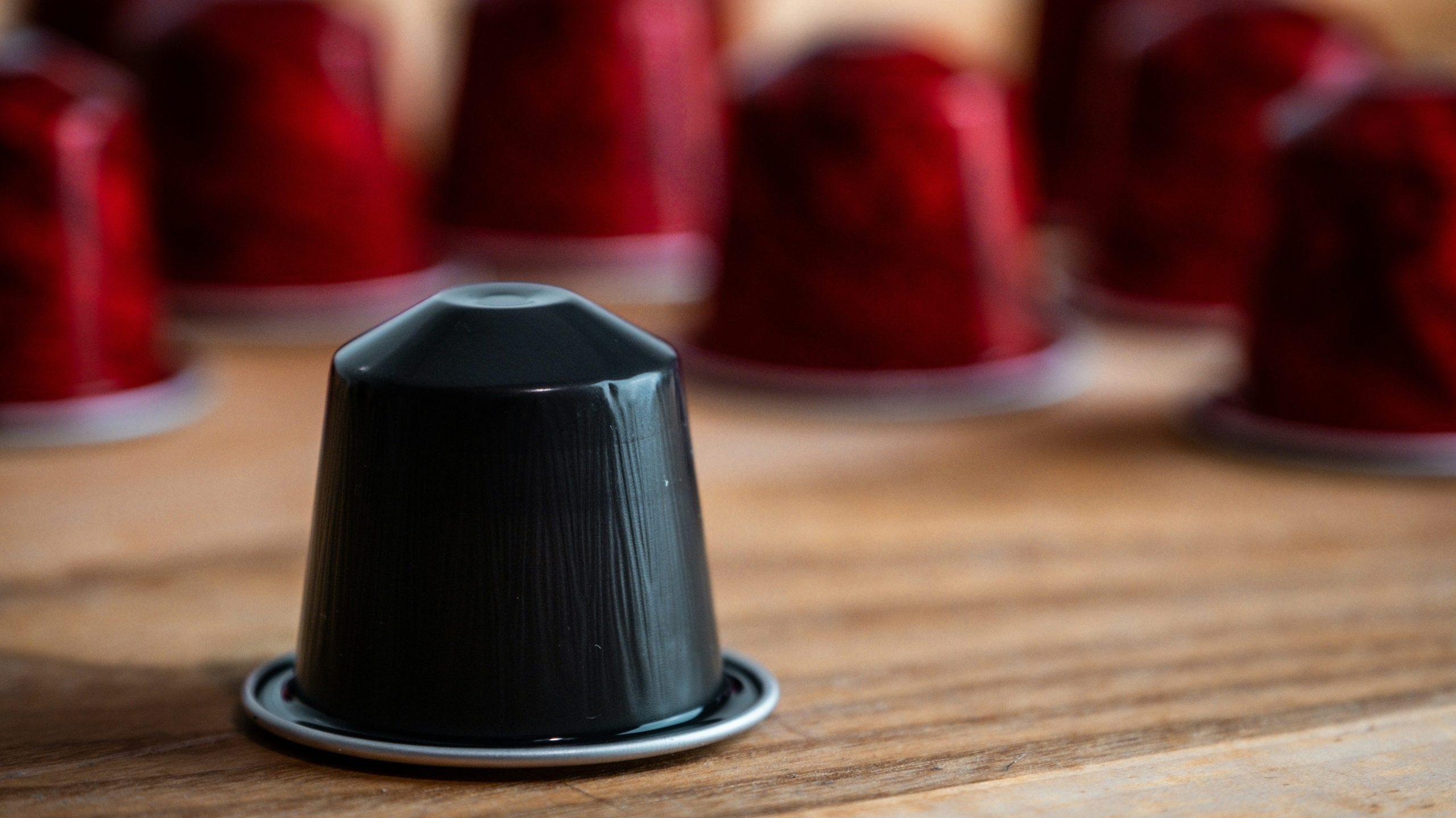
The Polymer Science: Polyethylene Liners and Mixed Plastics
You confidently carry your paper coffee cup to the recycling bin, feeling good about your choice. Unfortunately, that cup is not just paper.
To prevent hot liquid from turning a paper cup into a soggy mess, manufacturers laminate the inside with a thin layer of polyethylene plastic. Because the paper and plastic are fused together, they are incredibly difficult to separate. Very few recycling facilities have the specialized technology required to process them. Therefore, almost all disposable coffee cups end up in the landfill.
Furthermore, a recent study published in the journal Environmental Science & Technology revealed a disturbing fact. When you pour water exceeding 100 degrees Celsius into a plastic-lined cup, the heat degrades the lining instantly. The study found that a single cup can release trillions of plastic nanoparticles into your hot beverage in just 15 minutes.
Coffee pods present a similar issue. Even the ones marketed as “recyclable” require you to peel off a foil lid, scoop out wet coffee grounds, and rinse out a tiny plastic cup before recycling. The friction is far too high. Most people just throw them in the trash.
What to Use Instead
Budget: A Standard French Press. A glass and steel French press requires no filters, no pods, and no plastic. You simply add hot water and coarse coffee grounds. It is cheap, effective, and makes a vastly superior cup of coffee.
Best Overall: Stainless Steel Reusable Pods. If you are deeply attached to your Keurig or Nespresso machine, you do not have to throw it away. Purchase a medical-grade stainless steel reusable pod. You fill it with your own ground coffee, pop it in the machine, and rinse it out afterward. You save hundreds of dollars a year on pre-packaged pods and eliminate daily plastic waste.
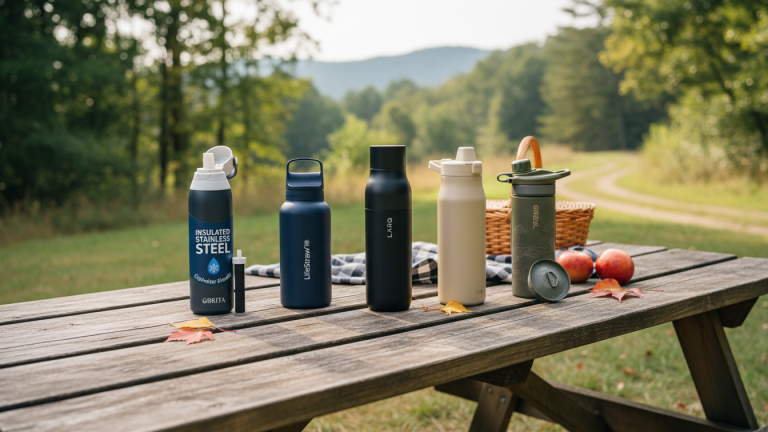
Investment: Insulated Stainless Steel Tumbler (Like Owala or Hydroflask). For coffee on the go, investing in a high-quality, vacuum-insulated tumbler is essential. Brands like Owala and Hydroflask make exceptionally durable vessels that keep your coffee piping hot all day. Hand this to your barista instead of taking a paper cup.
The Greenwashing Trap: “Biodegradable” Plastics
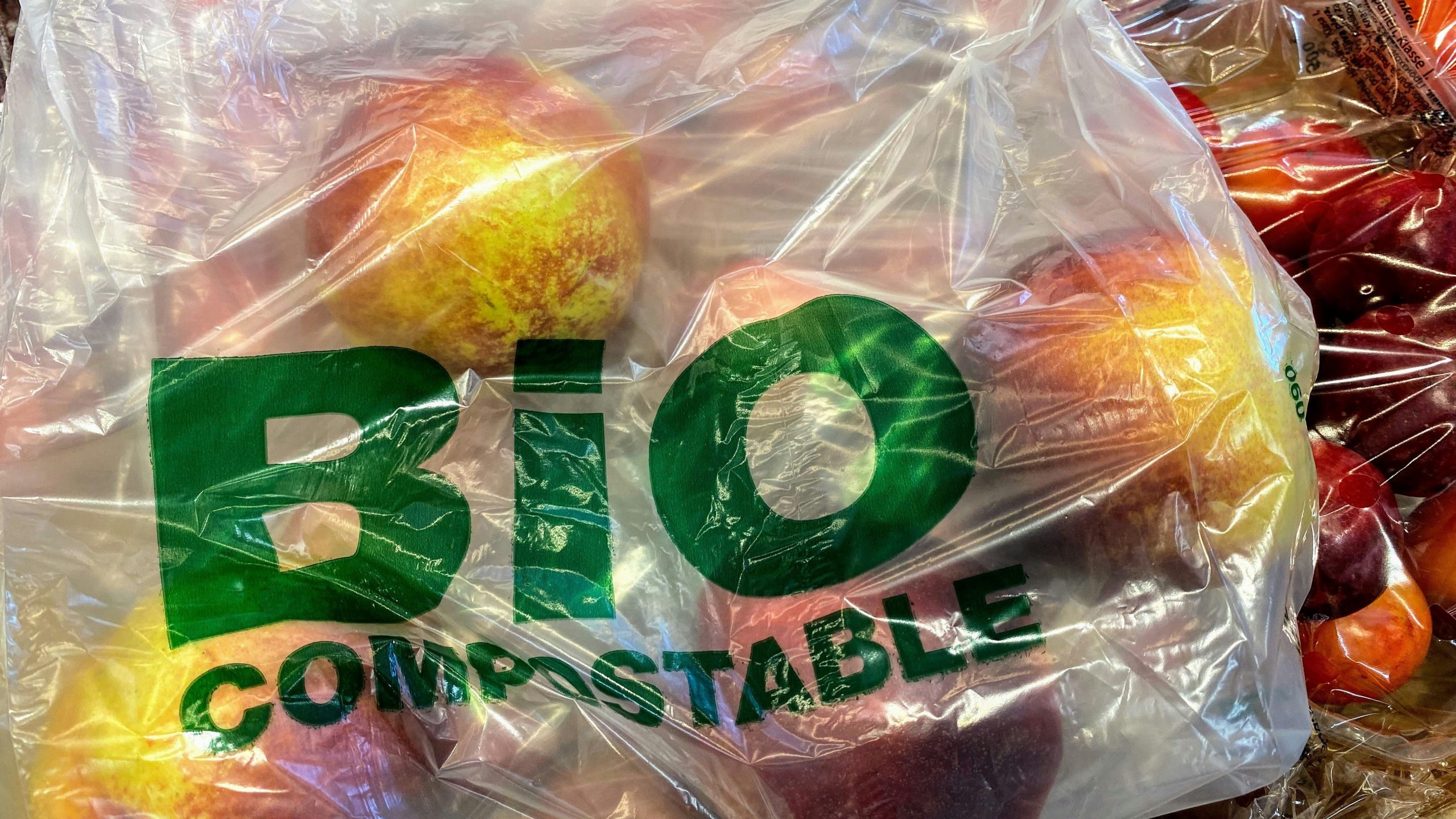
The Polymer Science: Polylactic Acid (PLA) and Bioplastics
We must address a massive source of confusion in the sustainability space. As consumers demand less plastic, corporations have responded with a clever marketing trick called greenwashing.
You have likely seen green trash bags, clear cold cups, or takeout cutlery stamped with the word “Biodegradable” or “Made from Plants.” These items are usually made from Polylactic Acid, a plastic derived from corn starch or sugarcane.
While plant-based sourcing sounds wonderful, PLA behaves exactly like conventional petroleum plastic in the environment. It requires an industrial composting facility with highly managed microbes and sustained temperatures over 130 degrees Fahrenheit to break down.
If a “biodegradable” plastic cup ends up in a standard landfill, it is deprived of oxygen and sunlight. It will sit there for decades, emitting methane gas as it slowly degrades. If it ends up in the ocean, it poses the exact same threat to marine life as a standard plastic cup. Do not let clever marketing trick you into buying more single use plastics.
What to Use Instead
Budget: Line Bins with Newspaper. For small bathroom or office trash cans, you do not need to buy plastic liners at all. You can line the bottom of the bin with old newspaper or junk mail to absorb moisture, and simply empty the dry contents directly into your main trash.
Best Overall: Unlined Paper Bags. For your kitchen compost bin, strictly use plain, unlined brown paper bags. They breathe, which helps reduce odor, and they break down effortlessly in any backyard compost pile or municipal facility.
Investment: A Countertop Electric Composter. If you have the budget and want to completely eliminate the wet, smelly garbage that necessitates heavy plastic trash bags, look into an electric countertop composter. These machines dehydrate and grind your food scraps into a dry, soil-like substance overnight, drastically reducing the volume and odor of your household waste.
The Final Word on Plastic Free Living
Eliminating single use plastics from your life is not a weekend project. It is a slow, methodical transition.
Do not run through your house throwing away perfectly good plastic items just to replace them with glass and bamboo. That creates unnecessary waste. Instead, use up what you currently have. When the plastic wrap finally runs out, buy Stasher bags instead. When the massive jug of laundry detergent is empty, order Blueland tablets.
By prioritizing low-friction swaps, ignoring greenwashed marketing, and understanding the materials in your home, you will build sustainable habits that last a lifetime.
Frequently Asked Questions
1. What are the most common single use plastics in a home? The most common single-use plastics found in households include liquid laundry detergent jugs, plastic wrap, sandwich bags, synthetic kitchen sponges, disposable coffee cups, liquid hand soap pumps, and standard grocery bags. These items are designed for brief utility but persist in the environment indefinitely.
2. How do you start a zero waste lifestyle without getting overwhelmed? To start a zero waste lifestyle without burnout, focus on one room at a time and apply the principle of low friction. Begin with the easiest swaps that require the least behavioral change. Replace liquid body wash with bar soap. Swap out bottled water for a reliable stainless steel bottle. Progress slowly rather than attempting a total overnight overhaul.
3. Are biodegradable plastics actually better for the environment? The short answer is usually no. Most biodegradable plastics, like PLA, require industrial composting facilities reaching very high temperatures to break down. If they end up in a normal landfill or the ocean, they act just like conventional petroleum plastic and will not decompose naturally.
4. What happens when you heat food in plastic wrap? When you heat food in plastic wrap, especially in the microwave, the heat accelerates a process called chemical migration. Endocrine-disrupting chemicals and microscopic plastic particles can leach out of the thin film and transfer directly into your food. This risk is amplified when the food is high in fat.
5. Why is liquid laundry detergent bad for the environment? Liquid laundry detergent is problematic for two main reasons. First, the thick plastic jugs are rarely recycled effectively due to volume constraints at local facilities. Second, liquid detergent is mostly water, meaning companies burn massive amounts of fossil fuels just to ship heavy liquid across the country.
6. Do silicone bags like Stasher count as plastic? No, silicone is not plastic. High-quality food-grade silicone is made primarily from silica, which is derived from sand. It is highly durable, heat-resistant, and does not leach toxic chemicals or microplastics into your food, making it a superior and safer alternative to traditional plastic zip bags.
7. How can I freeze food without using plastic freezer bags? You can easily freeze food without plastic by using tempered glass containers with locking lids, pure silicone bags, or wide-mouth mason jars. If using glass jars for liquids like soup, always leave at least an inch of space at the top, as liquids expand when frozen and can shatter the glass.
8. What is the best zero waste alternative to a kitchen sponge? The best zero waste alternatives to a synthetic kitchen sponge are Swedish dishcloths or natural loofah slices. Swedish dishcloths are made of compostable cellulose and cotton, dry quickly to prevent bacteria, and can be washed in the dishwasher or laundry machine to extend their lifespan.
9. How does packaging friction affect sustainable habits? Packaging friction refers to the psychological and physical barriers that make an eco-friendly product harder to use than its conventional counterpart. If a zero waste product is messy, complicated, or requires extra time to prepare, consumers are highly likely to experience burnout and revert back to convenient single-use plastics.
10. Are cleaning product refill pouches actually recyclable? Most flexible liquid refill pouches are not curbside recyclable. They are usually made from multiple fused layers of different plastics and aluminum to keep the liquid stable. Because these layers cannot be easily separated, the pouches almost always end up in landfills, making dry tablet refills a much more sustainable option.
This article contains affiliate links. As an Amazon Associate, Plastic Free Everything earns from qualifying purchases at no extra cost to you.