Do Coffee Filters Have Microplastics? Paper, Metal, Cloth and Pods Compared
You switched to organic beans. You grind them fresh. You might even filter your water. Then every morning, you pour near-boiling water through whatever filter came in the box and never think about it again.
It is a fair question to ask: do coffee filters have microplastics? The answer depends entirely on what your filter is made of. A plain paper filter is a very different thing from the “permanent” mesh basket that came with your drip machine, and both are worlds away from the plastic pod in a single-serve brewer.
The short answer: standard paper coffee filters are made from plant fiber, not plastic, and they are one of the lower-risk parts of your coffee routine. The real plastic exposure comes from nylon mesh filters, plastic pods, plastic brew baskets, and plastic-lined to-go cups, because hot water dramatically speeds up how much plastic sheds into your drink. Below, we break down every filter type, what the research actually shows, and the plastic-free filters worth buying.
What Are Coffee Filters Actually Made Of?
Walk down the coffee aisle and you will find five basic filter materials. Only some of them are plastic.
- Paper: Made from cellulose (wood pulp). Some brands add a small amount of wet-strength resin, a synthetic polymer that keeps the paper from tearing when it gets soaked. Manufacturers rarely disclose it on the box.
- Nylon or polyester mesh: The “permanent” basket filters sold for drip machines. Many are nylon mesh stretched over a plastic frame, including some marketed as “gold tone.” If the mesh is nylon or polyester, it is plastic.
- Stainless steel mesh: Reusable metal filters for pour-over brewers, French presses, and refillable pods. No plastic touches the coffee if the frame is metal too.
- Cloth: Cotton or hemp filters, the oldest reusable option. Plant fiber, no plastic.
- Pods and capsules: Most single-serve pods are polypropylene plastic with a paper or plastic filter inside. Some use aluminum, and “compostable” pods often use plant-based plastics.
Do Paper Coffee Filters Have Microplastics?
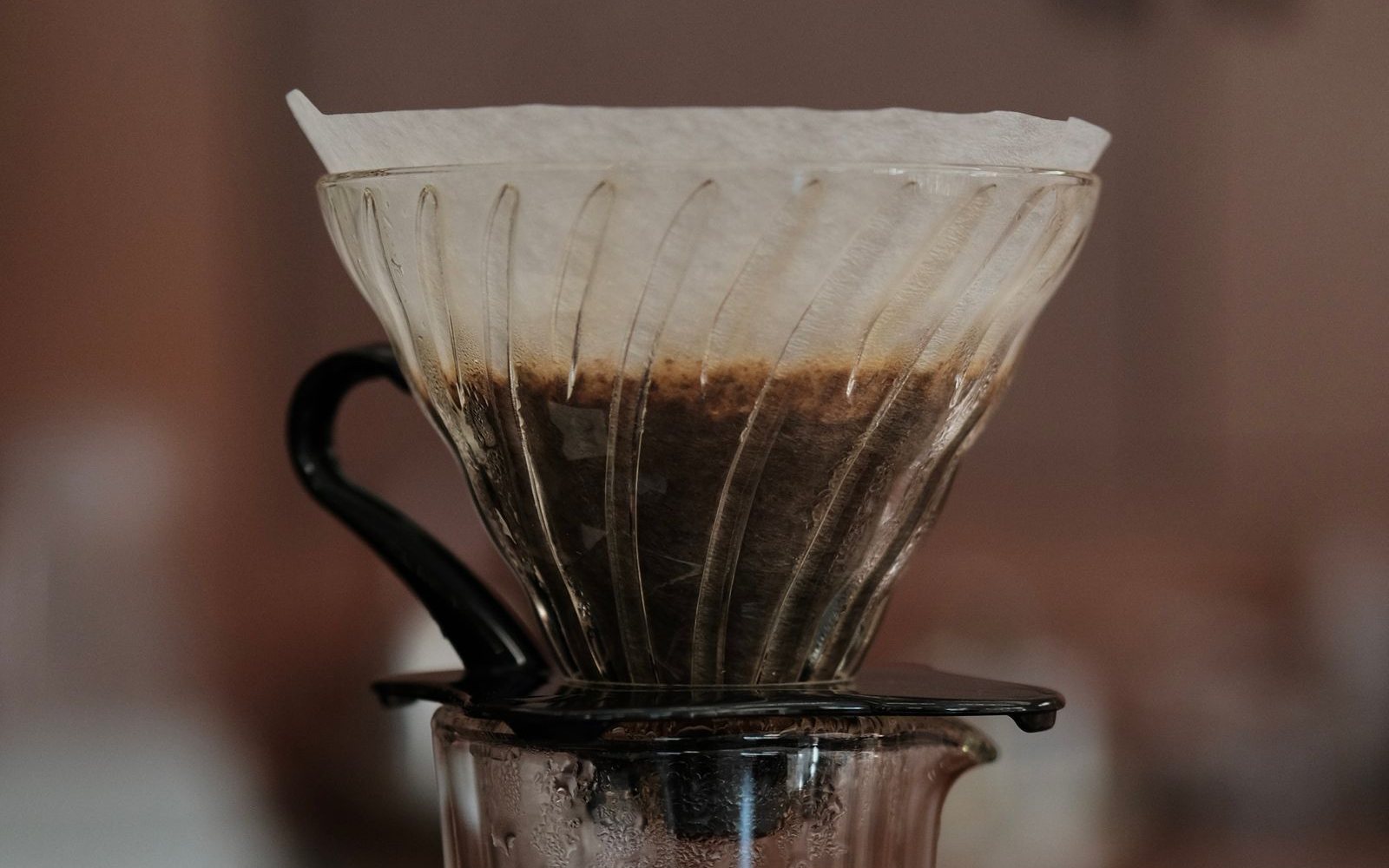
Paper itself is not plastic. A standard paper filter is pressed plant fiber, and there is no evidence that it sheds meaningful amounts of microplastics into your coffee the way plastic filters do. That is the good news.
The honest caveat is that very little published research tests coffee filters specifically. Two things are worth knowing:
- Wet-strength additives: Some paper filters contain small amounts of synthetic resin to hold the fibers together when wet. It is a minor component, but it means “paper” does not always mean 100% plant fiber.
- PFAS: Some grease- and water-resistant paper food packaging has been found to contain PFAS (“forever chemicals”). There is little testing on coffee filters themselves, so the safest move is to choose filters from brands that state how their paper is made, or to skip paper entirely and use metal or cloth.
Paper filters also have a health benefit nobody talks about. They trap most of the cafestol in coffee, an oily compound that can raise LDL cholesterol. Research on paper filtration shows that paper-filtered coffee contains far less of it than French press or metal-filtered coffee. If cholesterol is a concern for you, that is a real reason to stick with paper.
Bleached or unbleached? Modern white filters are usually whitened with oxygen rather than elemental chlorine, and both types are generally considered safe. Unbleached filters simply skip a processing step, which is why we prefer them.
The Real Problem: Plastic Filters and Hot Water
Coffee is brewed at roughly 195 to 205°F. That matters, because heat is the single biggest factor in how much plastic sheds into a drink.
When researchers tested polypropylene, the same plastic used in most coffee pods and many brew baskets, particle release jumped from about 0.6 million to 55 million particles per liter as water temperature rose from 25°C to 95°C. We cover that study in detail in our post on why baby bottles shed microplastics.
Mesh filters made of plastic are the closest cousin to the plastic tea bag. In a landmark McGill University study, a single plastic tea bag steeped at brewing temperature released about 11.6 billion microplastics and 3.1 billion nanoplastics into one cup. Those bags were nylon and PET, the same family of materials used in many reusable mesh coffee filters. We break that research down in our tea bag deep dive.
No one has run the identical test on a nylon coffee filter yet. But the pattern across the research is consistent: plastic plus near-boiling water plus time equals shedding. A reusable nylon filter repeats that exposure every single morning.
What About K-Cups and Coffee Pods?
Single-serve pods combine every risk factor: a plastic container, a plastic or paper filter inside it, near-boiling water, and pressure. The machine itself usually runs that water through plastic tubing and a plastic reservoir first, which we cover in why plastic-free coffee makers are so hard to find.
Pods may carry more than microplastics. A 2025 study in the journal Foods tested 32 capsule coffees and found that machine-brewed capsule coffee had higher levels of a PFAS compound than the same coffee brewed manually through a paper filter, about 2.5 times higher on average. The researchers concluded both were within World Health Organization safety limits, but the direction is telling: the machine and capsule added exposure the paper filter method did not.
Real-world testing backs up the heat effect too. A 2025 University of Birmingham study of 155 drinks found synthetic plastic particles in every single sample, with hot coffee averaging about 43 particles per liter and hot drinks consistently higher than cold ones.
Don’t Forget the Cup
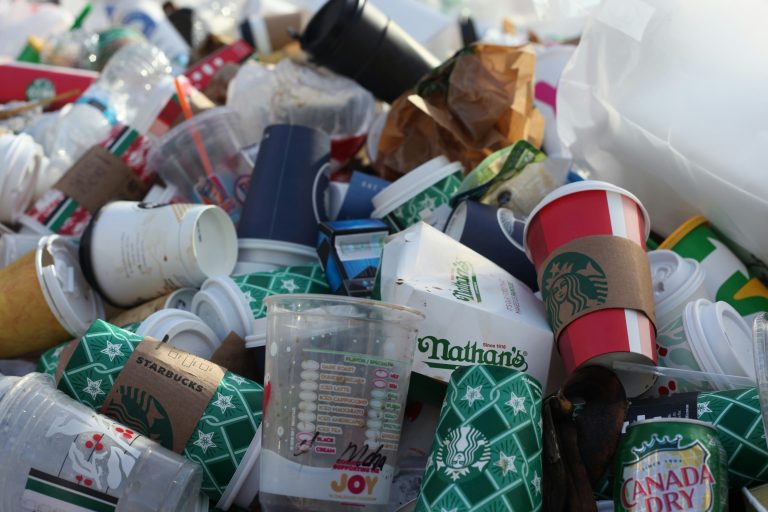
You can brew through the cleanest filter on earth and undo it at the last step. Most paper to-go cups are lined with a thin layer of polyethylene plastic so they don’t leak. When researchers at the National Institute of Standards and Technology filled those cups with hot water, the lining released trillions of plastic nanoparticles per liter.
Bring a ceramic, glass, or stainless steel mug to the coffee shop, and you remove one of the largest sources of plastic in the whole routine.
Which Coffee Filter Type Is Best?
Every filter involves a trade-off. Here is how the plastic-free options compare:
- Unbleached paper: No plastic shedding concerns, traps cafestol, compostable. The trade-off is that it is single-use.
- Stainless steel: No plastic, no waste, lasts for years. It lets more coffee oils through, which gives a fuller body but also more cafestol.
- Cloth: Plant-based, reusable, and it catches more oils than metal. It takes a little more care to rinse and dry between uses.
- Nylon mesh and plastic pods: The options we recommend replacing first.
The Best Plastic-Free Coffee Filters
Every pick below is made from paper, cotton, or stainless steel. We checked each listing for current availability before publishing.
Best Paper Filter for Pour-Over: Chemex Unbleached Filters
If you brew with a Chemex, its own unbleached bonded filters are thicker than standard filters, which gives a very clean cup and catches more of the oils. They are oxygen-cleansed rather than chlorine-bleached.
Best Paper Filter for Drip Machines: If You Care Unbleached Basket Filters
For standard flat-bottom drip machines, If You Care basket filters are unbleached, chlorine-free, FSC certified, and compostable. Swapping these in is the easiest upgrade on this list.
Best Paper Filter for Cone Brewers: If You Care #4 Cone Filters
Same brand and same standards, in the #4 cone shape that fits most cone-style machines and pour-over drippers: If You Care #4 unbleached cone filters.
Best Reusable Metal Filter: Able Kone
The Able Kone is a fine stainless steel filter designed for the Chemex. It replaces paper entirely and produces a richer, fuller-bodied cup. Just keep the cafestol trade-off in mind if you are watching your cholesterol.
Best Cloth Filter: CoffeeSock Organic Cotton
CoffeeSock filters are made from organic cotton and last for months with a quick rinse after each brew. They sit between paper and metal: reusable like steel, but better at catching oils.
For Keurig Owners: A Stainless Steel Refillable Pod
If you are not ready to give up your single-serve machine, a 304 stainless steel refillable K-Cup removes the plastic pod and the plastic filter from the equation. Be aware that the machine’s internal tubing and reservoir are still plastic, so this reduces your exposure rather than eliminating it.
Pair It With: A Ceramic Dripper
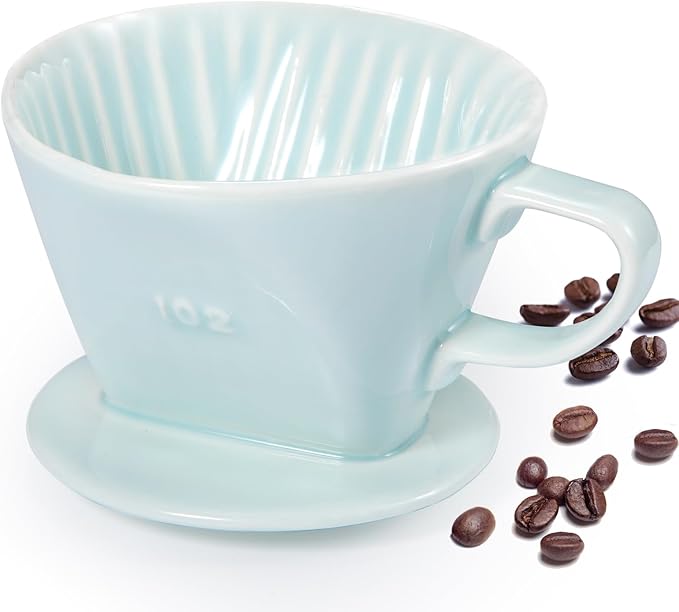
A filter is only as plastic-free as what holds it. Plastic drippers are common and cheap, but a porcelain dripper like the Hario V60 ceramic keeps the entire brew path plastic-free. Pair it with paper or cloth filters.
How to Cut the Plastic From Your Coffee Routine
You do not have to overhaul everything at once. Start at the top of this list, where the impact is highest:
- Replace nylon mesh filters and plastic pods. These put plastic in direct contact with near-boiling water every day.
- Bring your own mug. Plastic-lined to-go cups are one of the biggest single sources.
- Switch to a ceramic, glass, or steel brewer. See our full guide to safer, plastic-free coffee brewing.
- Boil water in a plastic-free kettle. Many electric kettles hide plastic inside. Here are the kettles that don’t.
- Start with cleaner water. A 2024 study found that boiling hard tap water and pouring it through a coffee filter removed up to about 90% of nano- and microplastics, because the minerals that form when water boils trap the particles. A good filter pitcher helps too; here are our favorite non-plastic water pitchers.
Frequently Asked Questions
Do paper coffee filters contain plastic? Standard paper filters are made from plant cellulose, not plastic. Some brands add a small amount of synthetic wet-strength resin to keep the paper from tearing, but paper filters are not considered a meaningful source of microplastics.
Are “gold tone” reusable coffee filters plastic? Often, yes. Many reusable basket filters use nylon mesh in a plastic frame, even when the mesh is gold colored. Check the product description: if it lists nylon or polyester, it is plastic. Look for stainless steel mesh and a metal frame instead.
Do coffee filters have PFAS? There is very little published testing on coffee filters specifically. Some water- and grease-resistant paper food packaging has been found to contain PFAS. If you want to avoid the question entirely, use a stainless steel or organic cotton filter.
Are bleached coffee filters safe? Modern bleached filters are usually whitened with oxygen rather than elemental chlorine, and they are generally considered safe. Unbleached filters skip that processing step, which is why we prefer them.
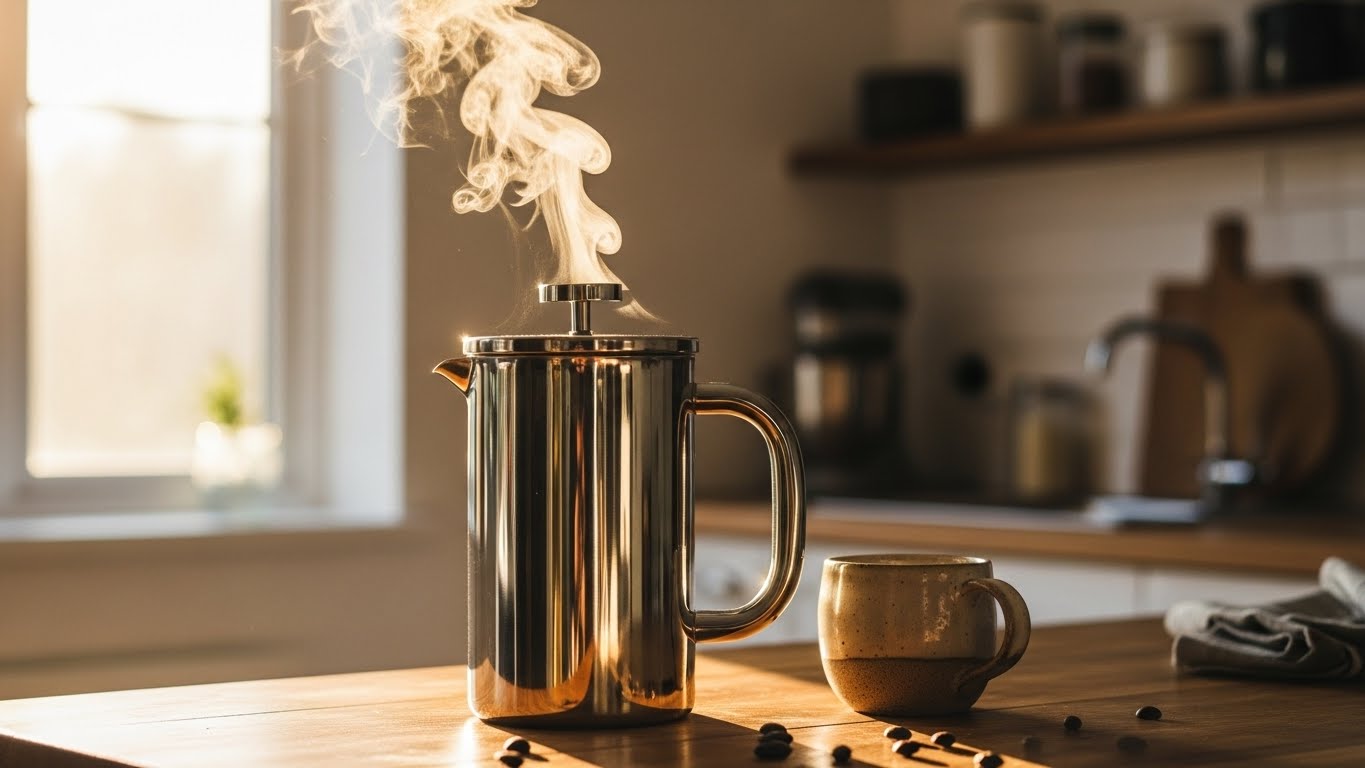
Is a French press plastic-free? Only if every part touching the coffee is glass or stainless steel. Many French presses use plastic lids, plastic plunger parts, or plastic-framed mesh. A fully stainless steel press avoids this, though like any metal filter it lets more coffee oils through than paper.
Are compostable coffee pods plastic-free? Not necessarily. Many “compostable” pods are made from plant-based plastics such as PLA, which still need industrial composting to break down. A stainless steel refillable pod is the more reliable choice.
Can a coffee filter remove microplastics from water? On its own, a coffee filter is too coarse to catch most microplastics. But in the 2024 boiling study, pouring boiled hard water through a coffee filter removed most of the particles, because they had become trapped in the mineral scale the filter caught.
This article contains affiliate links. As an Amazon Associate, Plastic Free Everything earns from qualifying purchases at no extra cost to you.