Do Plastic Baby Bottles Shed Microplastics? How to Prepare Formula With Less Plastic
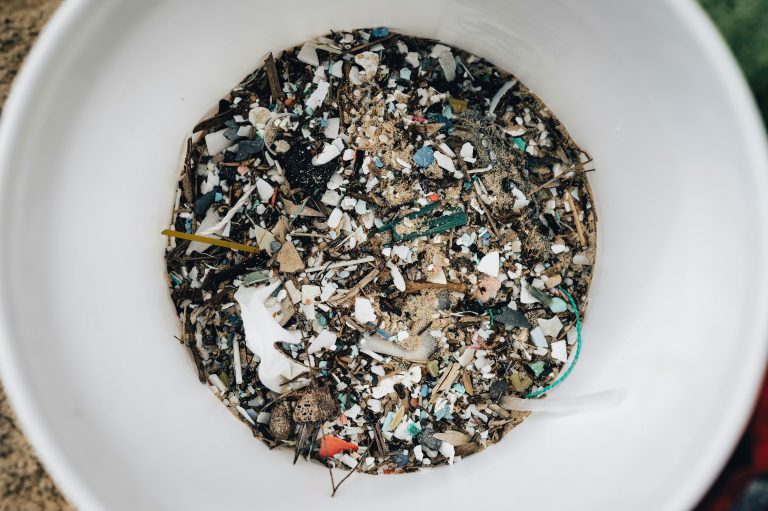
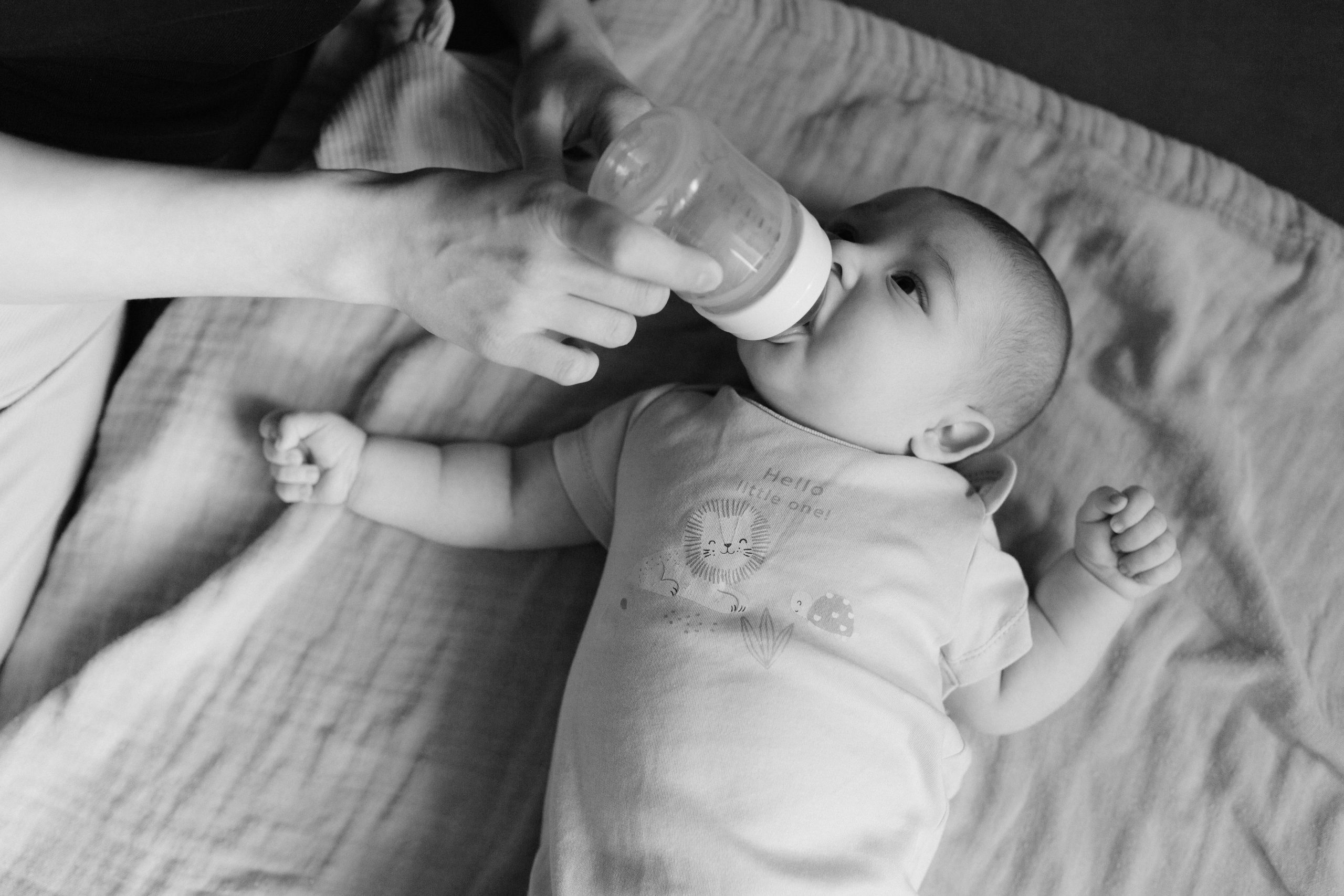
Do plastic baby bottles shed microplastics?Yes. In a 2020 study, polypropylene baby bottles released up to 16.2 million microplastic particles per liter when formula was prepared with 70°C water, as global guidelines recommend. Mixing formula in a glass or stainless steel container and pouring it into the bottle once it has cooled keeps the hot water away from the plastic.
Trinity College Dublin researchers tested ten polypropylene bottles that together make up 68.8% of the global baby bottle market. From their results, they estimated that a bottle-fed baby swallows about 1.58 million microplastic particles a day on average (Li et al., Nature Food, 2020).
Key takeaways
- Plastic baby bottles released about 600,000 particles per liter in 25°C water and up to 55 million in 95°C water.
- “BPA-free” says nothing about particles. Two common BPA replacements were as hormonally active as BPA in a 2015 review.
- Mixing formula outside the plastic bottle keeps hot water off the plastic.
- Glass and stainless steel bottles avoid the problem. Our baby bottle guide compares them.
Why do plastic baby bottles shed microplastics?
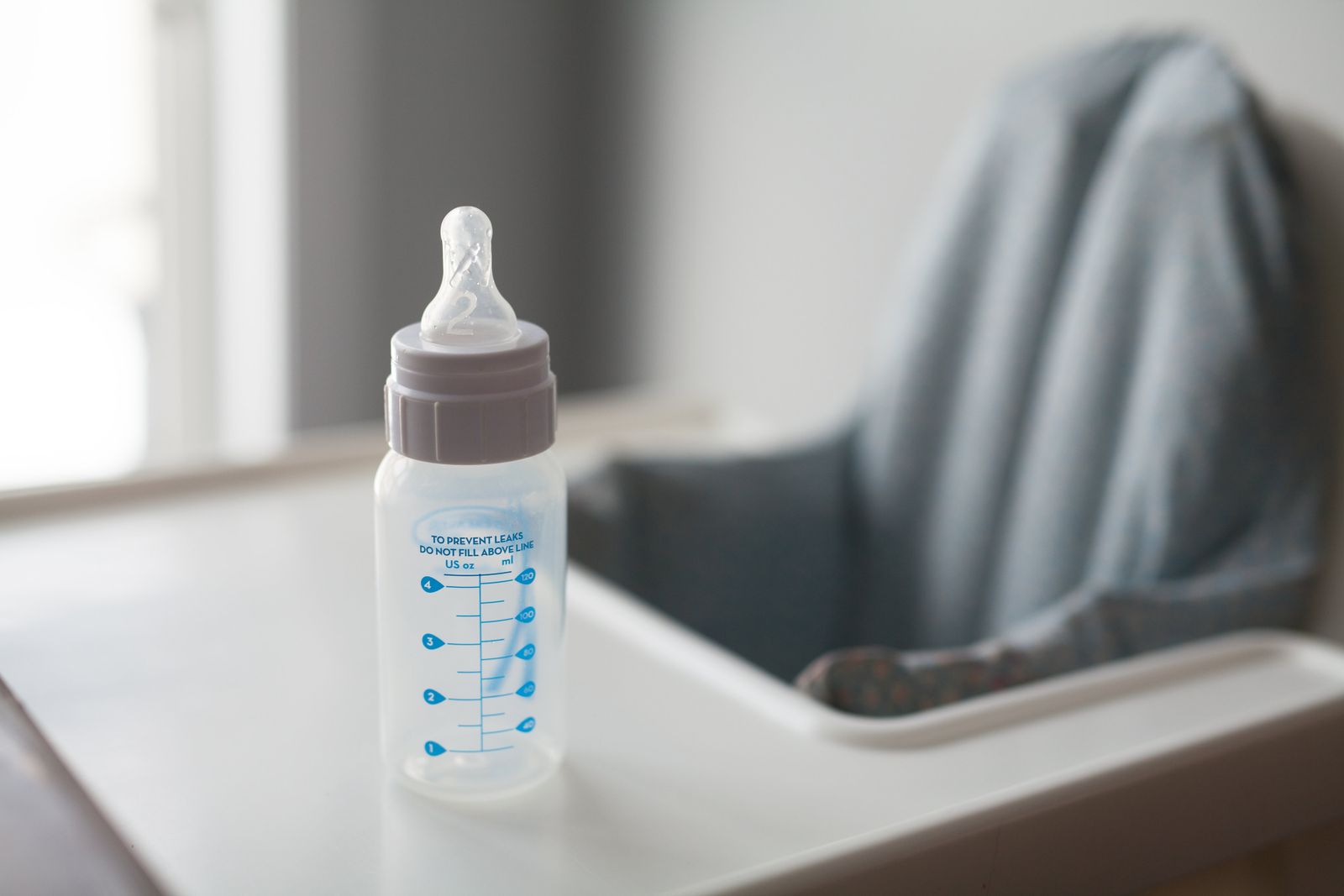
Most plastic baby bottles are made of polypropylene. In the Trinity study, the water temperature had a large effect on how much they shed. Bottles filled with 25°C water released about 600,000 particles per liter. At 70°C, the temperature formula guidelines call for, that rose to as many as 16.2 million, and at 95°C to as many as 55 million (Trinity College Dublin via ScienceDaily, 2020).
Sterilizing the bottles in hot water also increased release. The researchers advise against shaking formula hard inside a plastic bottle.
How much plastic are babies exposed to?
A 2021 pilot study measured plastic in stool. On average, infants’ samples held more than 10 times as much PET, a common plastic, as adults’ samples (Zhang et al., Environmental Science & Technology Letters, 2021). It covered six infants, three newborns and ten adults, and the researchers say larger studies are needed to confirm it.
House dust is another source for babies who crawl and put their hands in their mouths. Using dust samples from 12 countries, the same research group estimated that infants take in a median of 4,000 to 150,000 nanograms of PET microplastics per kilogram of body weight each day, depending on the country (Zhang et al., Environment International, 2020).
Are BPA-free baby bottles safe?
BPA-free means one chemical was left out. It doesn’t tell you whether the bottle sheds particles, and polypropylene bottles don’t use BPA to begin with.
It also doesn’t rule out the chemicals that replaced BPA. A 2015 review of 32 studies found that BPS and BPF, two common substitutes, were as hormonally active as BPA (Rochester and Bolden, Environmental Health Perspectives, 2015). Our guide to BPA explains where these chemicals show up.
How do you prepare formula with less plastic?
The Trinity team’s advice changes the order of the steps, so it works with the bottles you already have (Trinity College Dublin, 2020).
- Sterilize the bottles as usual, then rinse them with cooled, sterile water.
- Boil water in a glass or stainless steel kettle.
- Mix the formula in a glass or stainless steel container, following the instructions on the package. If your baby is under 2 months old, was born premature or has a weakened immune system, the CDC recommends water that’s at least 158°F (70°C).
- Let the formula cool to feeding temperature, then pour it into the bottle.
- Don’t reheat prepared formula in a plastic bottle, especially in a microwave.
Talk to your pediatrician before changing how you prepare formula.
Should you filter the water for formula?
Tap water carries microplastics too. Filters certified to NSF/ANSI 401 are tested for microplastic reduction, so check that the exact model you buy is listed (Water Conditioning & Purification, 2025). Our guide to pitchers and countertop filters compares the main options.
Boiling helps in some homes. In a 2024 lab study, boiling hard tap water and straining it removed at least 80% of the plastic particles researchers had added, while soft water saw about 25% removal (Yu et al., Environmental Science & Technology Letters, 2024).
Glass, stainless steel or silicone?
Glass and stainless steel don’t shed plastic. Silicone is a different kind of polymer from polypropylene, but it’s still synthetic, and there’s less research on what it releases. We compare specific glass, steel and silicone bottles in our baby bottle guide.
How do you cut plastic dust at home?
Mop and dust with a damp cloth so dust gets trapped instead of kicked into the air, and use a vacuum with a HEPA filter, which holds onto fine particles. For toys your baby chews, untreated wood, natural rubber and organic cotton avoid synthetic fibers.
Frequently Asked Questions
Does breastfeeding avoid microplastics? It removes the bottle as a source, but not all exposure. An Italian study found microplastics in 26 of 34 breast milk samples (Ragusa et al., Polymers, 2022).
Can you remove microplastics from a baby’s body? There’s no treatment that removes them. Some particles leave the body in stool, as the 2021 stool study shows, so cutting what goes in is the practical step.
What if I can only use plastic bottles? Keep the hot steps out of the bottle. Mix the formula in glass or steel, let it cool, and then pour it in.