Polymer-Coated Fertilizers: The Hidden Plastic in Your Potting Mix
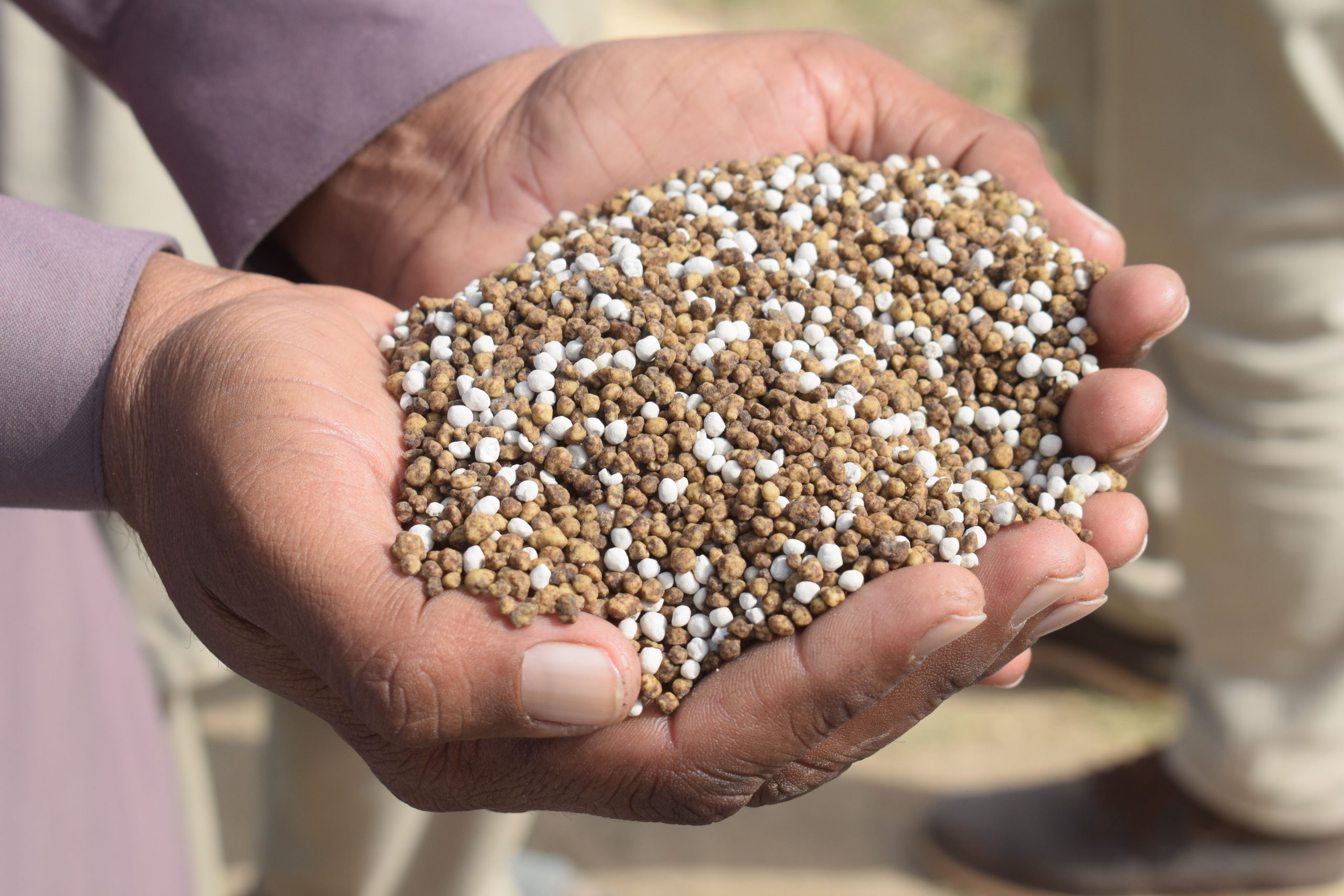
Those harmless-looking, slow-release fertilizer prills sprinkled into your garden bed leave behind hundreds of thousands of non-biodegradable synthetic polymer shells right where your vegetables grow.
This is the dirty secret of the modern gardening industry. We spend our weekends meticulously pulling weeds, avoiding chemical pesticides, and curating organic seeds, only to unknowingly dump cups of synthetic polymers directly into our soil. The convenience of “feed it and forget it” comes with a massive environmental hangover.
It is time to look at the polymer science behind controlled-release fertilizers, the recycling fallacy of the agricultural greenwash machine, and how you can actually feed your garden without feeding it plastic.
What Are Polymer-Coated Fertilizers and How Do They Work?
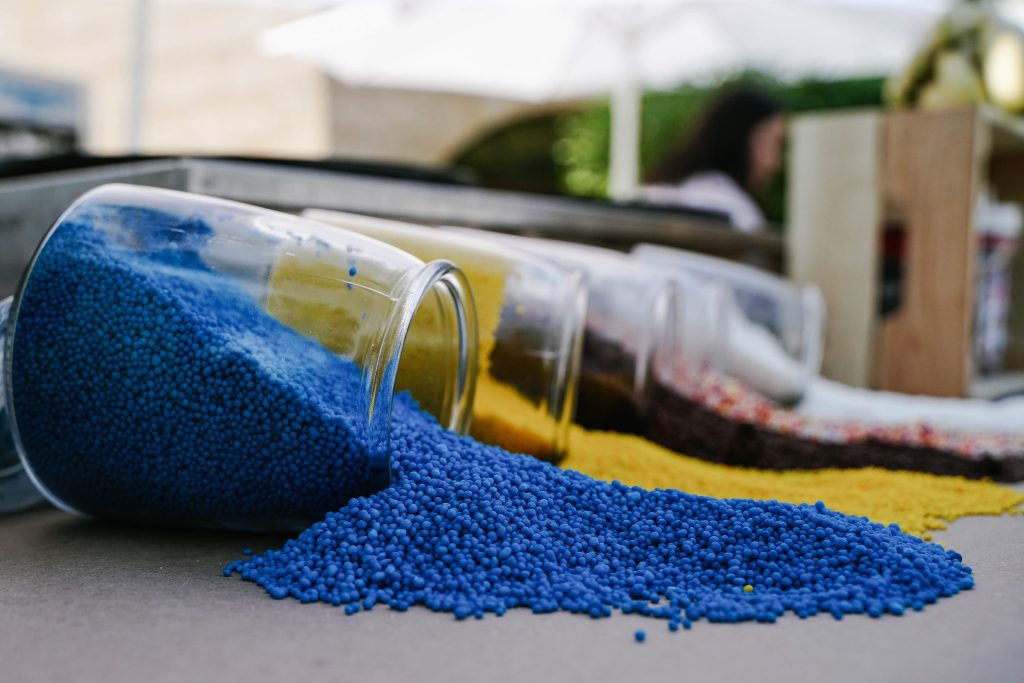
To understand the problem, you have to understand the product design. Controlled-release fertilizers (often abbreviated as CRFs) and polymer-coated ureas (PCUs) are engineering marvels designed for a very specific, highly industrial purpose.
At the center of each tiny prill is a water-soluble mineral nutrient core, usually composed of nitrogen, phosphorus, and potassium. If you were to apply these raw nutrients directly to the soil, the first heavy rain would wash them away. The nutrients would leach into groundwater, and your plants would experience a massive, short-lived growth spike followed by starvation.
To solve this, manufacturers wrap that nutrient core in a synthetic plastic shell. This shell is typically made from polyurethane, polyolefin, polyethylene, or alkyd resins.
Here is how the delivery system actually functions in your garden:
- Moisture Penetration: When you water your garden, moisture slowly diffuses through microscopic pores in the synthetic plastic coating.
- Nutrient Dissolution: The water reaches the mineral core and dissolves the solid nutrients into a liquid state.
- Osmotic Release: The pressure inside the prill builds up, forcing the liquid nutrient solution back out through the pores over a period of three to nine months.
The mechanism is brilliant for commercial agriculture and golf course maintenance. It reduces the labor required for repeated feeding and limits nitrogen runoff. But the design has a fatal flaw for the home gardener aiming for a zero-waste lifestyle. Once the nutrients drain out, the hollow plastic sphere does not disappear. The synthetic shell stays right there in your soil, year after year.
The Soil Pollution Problem: How “Time-Release” Prills Turn into Microplastics
The agricultural industry loves to focus on the word “degradable.” They assure consumers that these polymer shells eventually break down. This is technically true but entirely misleading. They break down in size, not in chemical composition.
When the empty polyurethane hulls are left in your garden bed, they face an onslaught of environmental stressors. Ultraviolet light from the sun degrades the structural integrity of the plastic on the soil surface. Freeze-thaw cycles in colder climates cause the brittle empty shells to crack. General soil abrasion from tilling, weeding, and walking over the beds splinters the resin further.
The shells do not biodegrade. They fragment into microplastics (particles smaller than 5 millimeters) and eventually nanoplastics (particles smaller than 100 nanometers).
This accumulation creates a cascade of biological failures within your garden:
- Altered Soil Mechanics: Plastic particles fundamentally change how soil holds water and air. As microplastics accumulate, soil bulk density increases and porosity decreases. Your soil becomes harder, less aerated, and less capable of holding beneficial moisture.
- Fungal Disruption: Healthy soil relies on complex networks of mycorrhizal fungi to transport nutrients to plant roots. Microplastic fragments physically disrupt these delicate networks, stunting the symbiotic relationship between the soil and your crops.
- Chemical Leaching: The plastic coatings are not pure. They require synthetic plasticizers to remain flexible and heavy metal catalysts for the manufacturing process. As the outer resin photodegrades, trace additives like phthalates and per- and polyfluoroalkyl substances (PFAS) can leach into the surrounding soil moisture.
- Earthworm Starvation: Earthworms ingest soil to extract organic matter. When they ingest microplastics instead, they experience false satiation. They feel full but receive no nutrition, leading to population decline in beds heavily contaminated with polymer prills.
Can Edible Plants Absorb Nanoplastics From Synthetic Fertilizers?
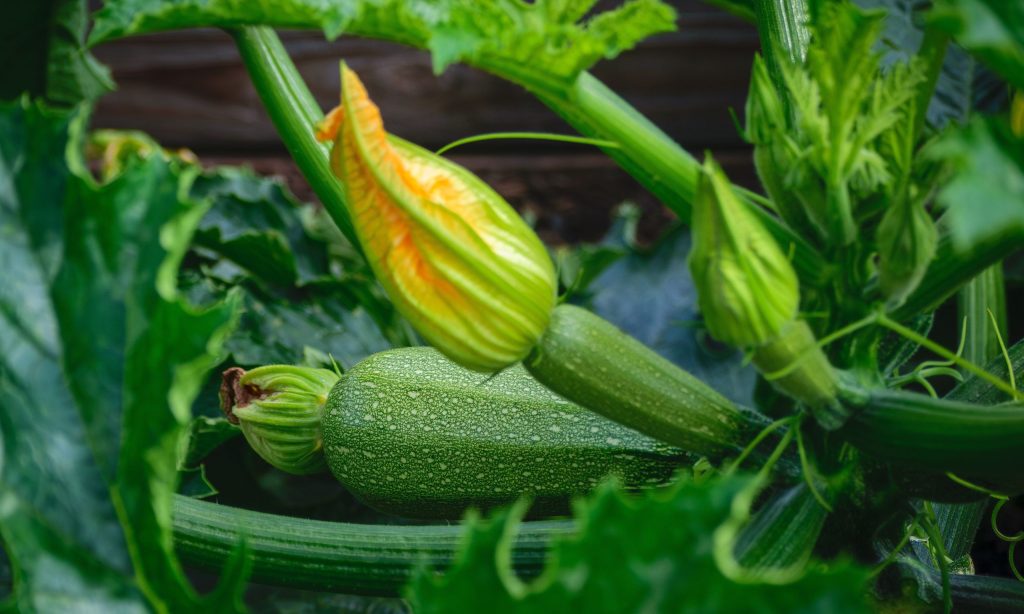
For years, the consensus was that plastic pollution in the garden was a mechanical issue. The assumption was that microplastics were simply inert pieces of trash sitting harmlessly next to plant roots. Recent scientific developments have completely shattered this comfort zone.
When microplastics break down into nanoplastics, they become small enough to breach biological barriers.
A landmark 2025 agricultural study out of the University of Missouri and related research from Tokyo Metropolitan University in 2026 mapped exactly how nanoplastics interact with plant root systems. The findings are highly concerning for anyone growing their own food.
The root systems of common garden vegetables are designed to absorb water and microscopic mineral ions. Nanoplastics are small enough to be drawn in alongside the water. Once inside the root tissues, the particles do not just stay underground. The plant’s vascular system translocates the synthetic materials up through the stem and into the edible foliage and fruiting bodies.
This uptake has been specifically observed in crops like radishes, carrots, lettuce, and wheat. When you use polymer-coated fertilizers in your vegetable beds, you are literally planting the seeds of your own plastic consumption. The synthetic shell meant to protect the nitrogen is eventually pulled into the very lettuce leaves you harvest for your summer salads.
The Greenwash Decoder: How to Read Fertilizer Labels
Walking down the garden center aisle is an exercise in dodging marketing deception. Fertilizer companies know that consumers are becoming wary of plastic, so they disguise their polymer coatings behind a wall of technical jargon and greenwashing buzzwords.
If you want to keep plastic out of your soil, you must learn to read past the glossy labels. Here is your decoder ring for the most common deceptive marketing phrases:
- “Smart Release Matrix”: This sounds like an advanced, targeted feeding system. It is actually a marketing euphemism for polyurethane-encapsulated granules. The “matrix” is just a microscopic web of plastic.
- “Advanced Time-Release Technology”: Similar to the above, this almost always indicates an alkyd resin or polyolefin shell. The “technology” relies entirely on the slow degradation of synthetic petrochemicals.
- “Bio-Based Coating”: This is one of the most frustrating greenwashing tactics. A “bio-based” label simply means that some portion of the material is derived from renewable sources. These coatings often contain up to 80% synthetic polyurethane mixed with a small percentage of modified vegetable oil. It remains non-biodegradable plastic.
- “Poly-Coated Urea”: Consumers often assume “poly” refers to natural polymers like cellulose or starch. In the commercial fertilizer industry, it almost universally means synthetic petrochemical polymers.
- “Soil-Degradable”: Unless the product lists a specific certification standard like ASTM D5988 or EN 13432 for complete soil biodegradability within a single growing season, this claim is meaningless. It usually just means the plastic fragments into smaller pieces.
The regulatory landscape is slowly shifting. The European Chemicals Agency recently introduced restriction rules targeting intentionally added synthetic microplastics in agriculture. However, outside of the EU, consumers are largely on their own to decipher the ingredients.
3 Quick Ways to Spot Plastic Prills in Your Potting Soil
Sometimes you inherit soil from a previous homeowner, or you buy a bag of commercial potting mix that does not explicitly list its coating materials. How do you know if you are dealing with hidden plastics?
Here are three simple, at-home tests to identify polymer-coated fertilizers.
1. The Pinch Test Find a suspicious colored bead in your soil. They are usually uniform, perfectly round, and colored green, yellow, tan, or gray. Place the bead between your thumb and forefinger and squeeze hard. A natural, uncoated fertilizer pellet will crumble into dust. A polymer-coated prill will pop, squirt a tiny amount of liquid, and leave behind a flexible, flattened plastic shell.
2. The Water Float Test If you suspect a bag of retail soil is heavily contaminated, scoop a large handful into a bucket of water and stir aggressively. Natural organic matter will eventually sink or break down into cloudy mud. Empty polymer hulls are buoyant. They will float cleanly to the surface and bob there. Even if you leave them submerged for weeks, they will never dissolve.
3. The Ingredient List Scan Turn the bag over and look for the fine print. Ignore the front marketing completely. Search the guaranteed analysis and ingredient list for these specific red flag terms:
- Polymer-Coated Urea (PCU)
- Resin-Coated NPK
- Thermoplastic Encasement
- Sulphur-Polymer Hybrid Coating
- Controlled Release Nitrogen (CRN) derived from coated materials
If you see any of those terms, put the bag back on the shelf.
The Best Plastic-Free Fertilizer Alternatives
Going plastic-free in the garden does not mean your plants have to starve. The natural world has been cycling nutrients perfectly for millions of years without the help of polyurethane.
We can achieve incredible yields by mimicking natural soil biology. The goal is to feed the soil biome rather than forcing nutrients directly into the plant. Here are the best plastic-free alternatives to synthetic slow-release prills, broken down by your investment level.
Budget: The DIY Soil Builders
If you are looking to live sustainably on a budget, the best fertilizers are completely free and likely sitting in your yard right now.
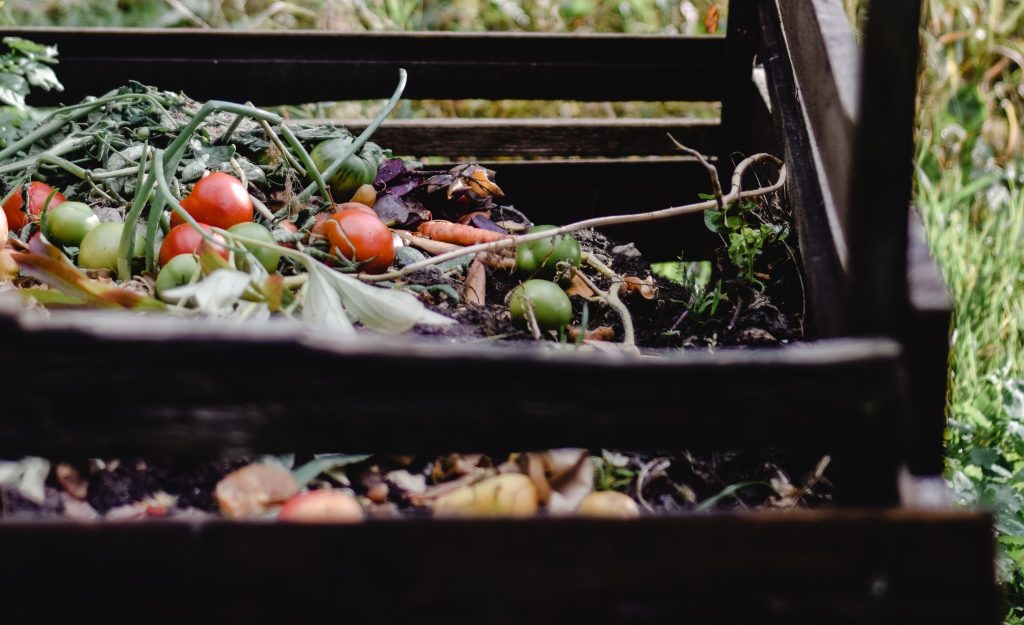
- Aged Leaf Mold: Gather fallen leaves in the autumn, shred them with a mower, and pile them in a corner for a year. The resulting fungal-rich compost is one of the best soil conditioners on the planet.
- Home-Brewed Compost Tea: Steep a shovel full of your backyard compost in a bucket of aerated water for 24 hours. The resulting liquid is a massive biological inoculant that boosts root health instantly.
- Raw Earthworm Castings: Start a small vermicompost bin under your kitchen sink. Red wiggler worms will turn your vegetable scraps into perfectly balanced, slow-release nitrogen that is 100% bio-available and completely plastic-free.
Best Overall: Dry Organic Meal Blends
If you want the convenience of buying a boxed product without the plastic penalty, dry organic meals are your best choice. These products use ground-up natural ingredients that break down over time via bacterial action, mimicking a slow-release effect naturally.
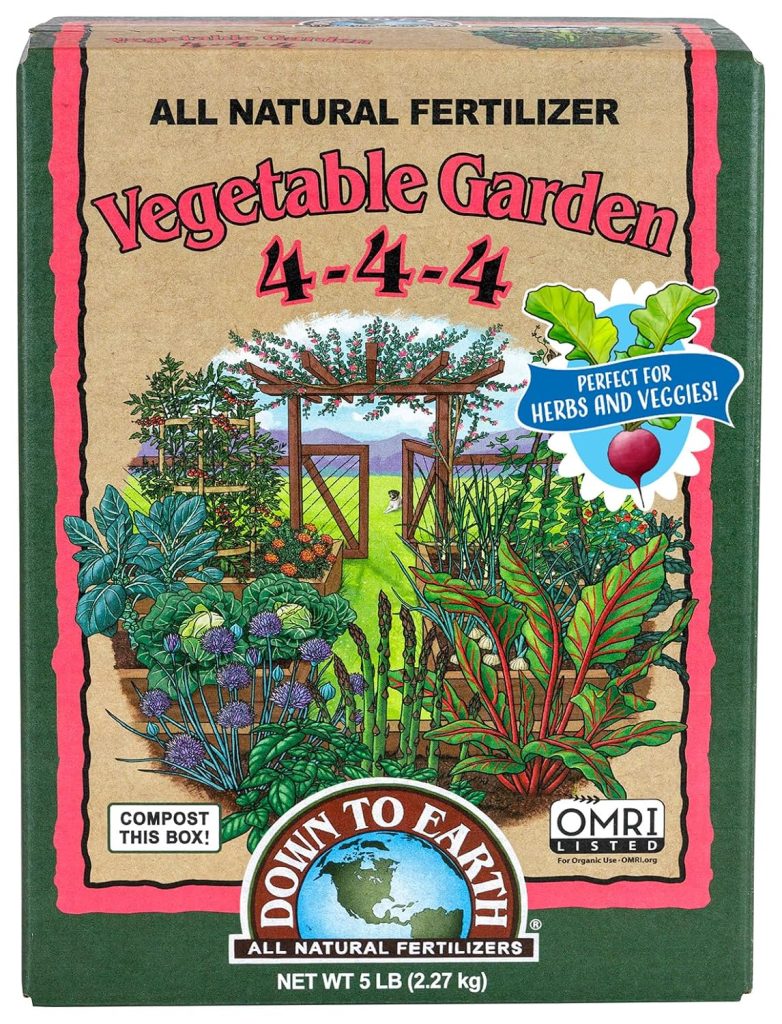
- Down to Earth Organic Fertilizers: They offer completely uncoated, OMRI-listed dry blends packaged in compostable cardboard boxes. Their All-Purpose blend utilizes feather meal, fish bone meal, and kelp meal.
- Dr. Earth: Another excellent choice for powdered, organic nutrient profiles. The natural soil microbes consume the raw meals and slowly release the byproducts to the plant roots. It takes slightly longer to kick in than synthetic liquids, but the results are vastly superior for long-term soil structure.
Investment: Long-Term Soil Architecture
For the serious homesteader or dedicated urban gardener looking to permanently upgrade their watering and feeding infrastructure without plastics, it is time to look at ancestral techniques.
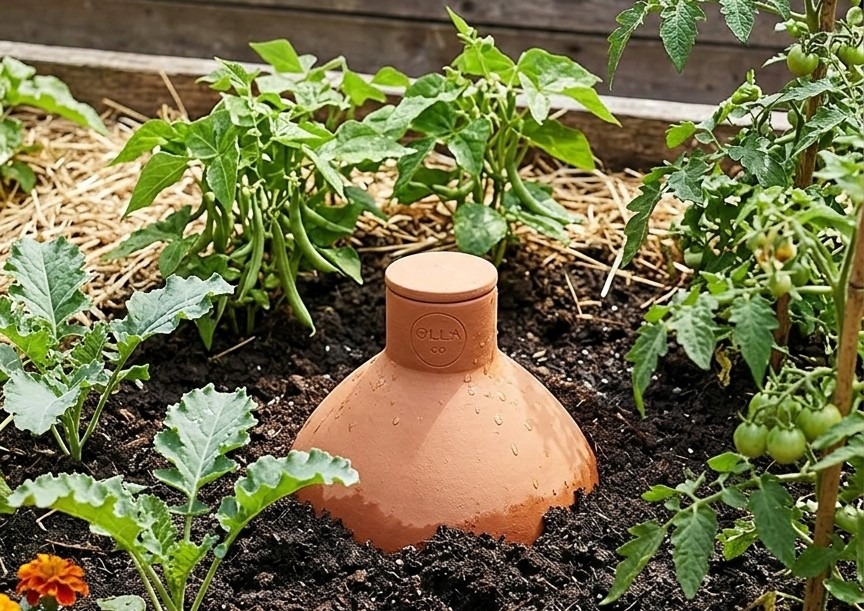
- Unglazed Terracotta Olla Systems: Bury an unglazed clay pot in the center of your raised bed and fill it with water. The water slowly seeps through the porous clay directly to the root zone. You can add a cold-processed liquid fish hydrolysate to the olla water for a continuous, plastic-free nutrient drip.
- Inoculated Biochar: Biochar is pure carbon created by burning wood in a low-oxygen environment. When soaked in compost tea, it acts like a microscopic sponge, holding onto nutrients and releasing them over decades. It is the ultimate natural slow-release matrix, and it actually pulls carbon out of the atmosphere rather than adding petrochemicals to the ground.
You do not need synthetic plastic shells to grow massive tomatoes or lush garden beds. By shifting away from the convenience of polymer-coated prills, we protect our local watersheds, improve our soil biology, and ensure that our homegrown food remains truly clean. Progress over perfection is the goal. Check your potting soil, run the float test, and make the switch to organic meals this season.
Frequently Asked Questions
What are polymer-coated fertilizers? Polymer-coated fertilizers are synthetic agricultural products that encase water-soluble nutrients in a plastic shell, typically made of polyurethane or alkyd resin. They are designed to slowly release nutrients over several months as moisture penetrates the plastic casing.
Do slow-release fertilizers leave plastic in the soil? Yes. While the nutrients inside the fertilizer dissolve and feed the plants, the synthetic plastic shell remains in the soil permanently. Over time, environmental factors break the shell down into microplastics and nanoplastics.
Can vegetable plants absorb microplastics from fertilizer? Research indicates that while larger microplastics remain in the soil, nanoplastics (particles smaller than 100 nanometers) can breach plant root cell walls. Studies have shown that crops like radishes, lettuce, and carrots can translocate these synthetic particles into their edible foliage.
How can I tell if my potting soil has plastic in it? You can perform the “pinch test” by squeezing the small colored beads found in the soil. If it pops and leaves a flexible shell, it is plastic. You can also perform a “water float test” by mixing the soil in a bucket of water; empty plastic fertilizer shells will float to the surface.
Are bio-based fertilizer coatings plastic-free? Not usually. Many fertilizers marketed with “bio-based coatings” still contain up to 80% synthetic polyurethane mixed with a small amount of plant-derived oils. They do not fully biodegrade and will still contribute to microplastic pollution.
What is the best plastic-free alternative to slow-release fertilizer? Dry organic meal blends (such as feather meal, bone meal, and kelp meal) are excellent plastic-free alternatives. They rely on natural soil microbes to slowly break down the raw organic matter, providing a natural time-release effect without synthetic coatings.
Does organic potting soil contain polymer-coated fertilizer? Certified organic potting soil should not contain synthetic polymer-coated fertilizers. However, always check the label for OMRI (Organic Materials Review Institute) certification to ensure the soil amendments meet strict organic standards.
What does “Smart Release Matrix” mean on fertilizer packaging? “Smart Release Matrix” is a common marketing term used by fertilizer companies to describe their synthetic polymer coatings. It sounds highly technical and safe but generally refers to a polyurethane or polyolefin plastic shell.
How do microplastics from fertilizer affect soil health? Microplastics alter the physical structure of the soil, decreasing porosity and increasing bulk density. They also physically disrupt delicate mycorrhizal fungi networks and can cause false satiation in earthworms, leading to a decline in soil biology.
Is it safe to eat vegetables grown in soil with polymer-coated fertilizers? While many people have eaten vegetables grown with synthetic fertilizers for decades, recent studies showing the translocation of nanoplastics into edible plant tissues raise long-term health concerns. Shifting to natural, uncoated fertilizers eliminates this specific exposure risk.
This article contains affiliate links. As an Amazon Associate, Plastic Free Everything earns from qualifying purchases at no extra cost to you.