
The Plastics Hiding in Your Organic Garden: A Zero-Waste Toolkit for the Harvest
That heirloom tomato you nurtured for months might be resting in a bed of shredded synthetic fibers.
It is a unsettling thought for any organic gardener. You spent extra money on certified organic seeds. You lovingly built up your compost. You avoided chemical pesticides and synthetic fertilizers. Yet, beneath the surface of your raised beds, a subtle chemical contamination might be unfolding.
The gardening industry has a massive plastic problem. From the moment a seed is planted in a black polypropylene tray to the day you drape synthetic netting over your cherry trees, plastic is woven into almost every step of the growing process.
Most gardeners do not use plastic because they want to pollute. They use it because it is cheap, accessible, and heavily marketed as the only way to grow efficiently. But as these synthetic tools sit in the hot sun, exposed to ultraviolet radiation and physical wear, they break down. They do not turn back into organic matter. They shatter into microscopic fragments right in the dirt where your food grows.
Progress over perfection. You do not need to throw away every plastic pot in your shed today. But as your current tools wear out, you can replace them with resilient, plastic-free alternatives that protect your soil microbiology and elevate your harvest.
Here is the science behind garden microplastics, the truth about bioplastic greenwashing, and a practical, step-by-step guide to building a zero-waste harvest system.
How Microplastics Infiltrate Organic Soil
When we think about plastic pollution, we usually picture floating water bottles in the ocean or plastic bags snagged in trees. We rarely look at our own backyard soil. Yet, recent environmental research suggests that agricultural and garden soils may hold significantly more microplastic pollution than the world’s oceans.
The Polypropylene Fragmentation Cycle
The black nursery pots, seedling flats, and woven weed fabrics dominant in garden centers are almost universally made from polypropylene or high-density polyethylene. While these polymers are designed to be flexible and tough, they have a critical vulnerability: sunlight.
Ultraviolet (UV) radiation breaks the chemical bonds of synthetic polymers through photo-oxidation. When UV rays hit a plastic tray sitting on your patio, the material becomes brittle. Add environmental friction from rain, wind, and digging with a trowel, and the plastic begins to fragment.
These fragments do not vanish. They turn into secondary microplastics (particles smaller than five millimeters) and nanoplastics (particles smaller than one micrometer). Once inside the soil matrix, these particles interact directly with dirt particles, beneficial fungi, and earthworms.
Can Vegetables Absorb Microplastics Through Their Roots?
For years, scientists assumed microplastic particles were simply too large to pass through the cell walls of plant roots. Newer research has disproven this assumption.
Studies published in Nature Sustainability demonstrate that sub-micrometer nanoplastics can penetrate the root systems of common food crops, including radishes, wheat, and lettuce. Through a process called endocytosis, microscopic plastic particles enter the root tips, pass through the vascular system (the xylem), and travel up into the edible leaves and fruits of the plant.
When nanoplastics migrate through plant tissues, they can carry adsorbed chemical additives, such as plasticizers and flame retardants, directly into the food chain. Removing synthetic materials from your root zone is not just an environmental preference. It is a direct step toward protecting the purity of the food you eat.
The Bioplastic Greenwashing Trap in Garden Centers
As consumers demand sustainable gardening tools, big-box retailers are filling their shelves with products labeled “eco-friendly,” “bio-based,” or “biodegradable.” Unfortunately, many of these claims are greenwashing.
The Polylactic Acid (PLA) Pot Illusion
One of the most common alternatives offered today is the bioplastic seed pot, often made from Polylactic Acid (PLA). These pots are typically produced from fermented plant starch, like cornstarch or sugarcane. Marketing materials imply that you can plant the entire pot straight into your garden and watch it melt into rich soil.
In a backyard garden, that is simply not what happens.
PLA requires industrial composting conditions to break down. These facilities maintain sustained temperatures above 140 degrees Fahrenheit (60 degrees Celsius) alongside specific relative humidity levels and controlled microbe populations.
If you bury a PLA bioplastic pot in a cool, home raised bed, it will not decompose. Instead, it will linger for years, constricting the roots of your plants while slowly fragmenting into synthetic polylactic particles that alter the surrounding soil chemistry.
“Oxo-Biodegradable” Landscape Fabrics
Another common trap is landscape fabric labeled “oxo-biodegradable.” These products are traditional petroleum plastics infused with metal salts that force the plastic to degrade rapidly when exposed to air and sun.
Rather than decomposing into organic matter, the material simply breaks down into invisible microplastics at an accelerated rate. It creates the illusion of disappearing while leaving a heavy chemical footprint behind.
Replacing Synthetic Seed Starting Systems
Seed starting is where many gardeners encounter their highest volume of single-use plastic. Flimsy seedling trays split after a single season, leaving behind shards of black plastic that end up in the compost bin or garbage.
To build a plastic-free system, start right at the beginning of the plant’s life.
Eliminating Trays with Soil Blockers
Instead of buying plastic pots every spring, you can eliminate containers entirely using a technique called soil blocking. A soil blocker is a handheld metal tool that compresses a damp growing medium into free-standing cubes of dirt. You plant your seeds directly into these self-contained blocks.
Soil blocks eliminate plastic waste while producing healthier seedlings. When a plant root hits the outer edge of a plastic pot, it circles the container, becoming root-bound and stressed. When a root hits the edge of a soil block, it encounters open air and stops growing outward. This natural process, known as air-pruning, encourages the plant to branch inward, creating a robust, fibrous root system that explodes with growth the moment it is transplanted.
Best Overall Product: Stainless Steel Soil Blocker
When making the switch to container-free seed starting, avoid plastic seed-moulding sets and opt for a high-grade metal tool.
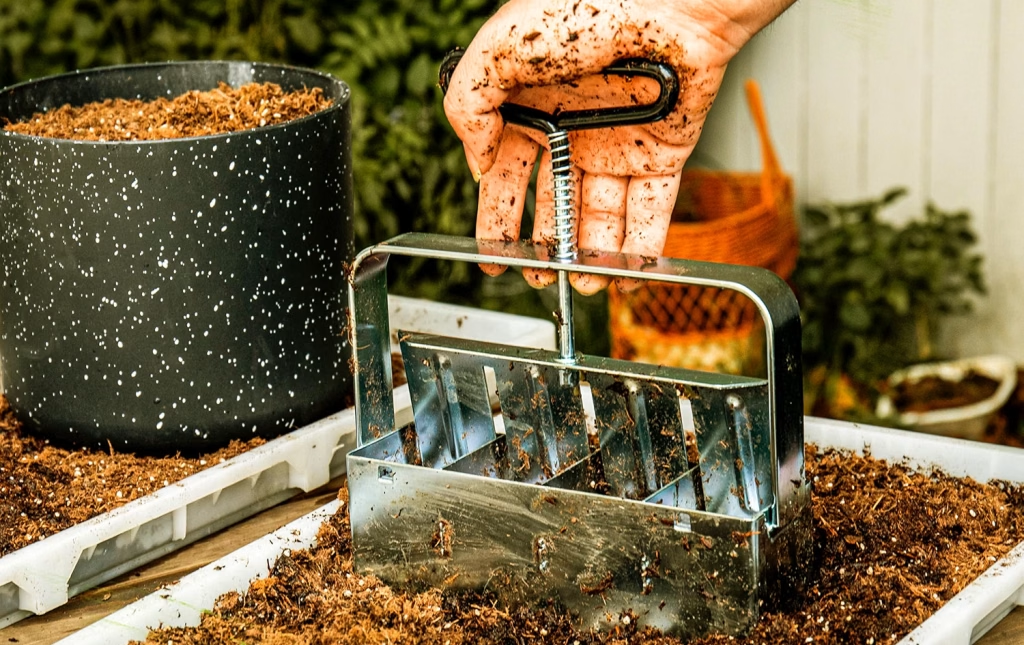
- Why It Works: A single heavy-duty brass or stainless steel soil blocker can replace thousands of plastic seedling trays over its lifetime. It forms uniform soil blocks with pre-indented seed holes, allowing for rapid planting without synthetic materials. Because the blocks sit on simple wooden boards or flat metal trays, you eliminate the constant cycle of buying, cracking, and discarding plastic seed inserts.
Moving Beyond Plastic Landscape Fabric and Weed Barriers
Weed control is a constant challenge, and rolls of black woven landscape fabric are frequently sold as the ultimate low-maintenance solution.
However, synthetic weed barriers create long-term problems. Over time, soil and organic debris settle on top of the fabric. Weed seeds blow in, germinate, and send deep roots directly through the synthetic weave. When you attempt to pull the weeds, the fabric shreds into thousands of plastic ribbons embedded in the earth.
Furthermore, landscape fabric acts as a barrier between your soil and the natural ecosystem. It prevents earthworms from surfacing, blocks organic matter from enriching the topsoil, and creates an anaerobic environment that kills beneficial soil microbes.
The Natural Alternative: Cardboard
A more effective, plastic-free approach is sheet mulching (sometimes called “lasagna gardening”). By laying down plain, unprinted corrugated cardboard directly over weeds and topping it with rich organic compost and wood chips, you smother unwanted plants without synthetic materials.
For pathways, larger garden beds, or extreme weed pressure, heavyweight natural burlap offers an ideal solution.
Investment Product: Heavyweight Untreated Burlap Rolls
Instead of buying synthetic polypropylene landscape fabric, invest in natural plant-based woven barriers.
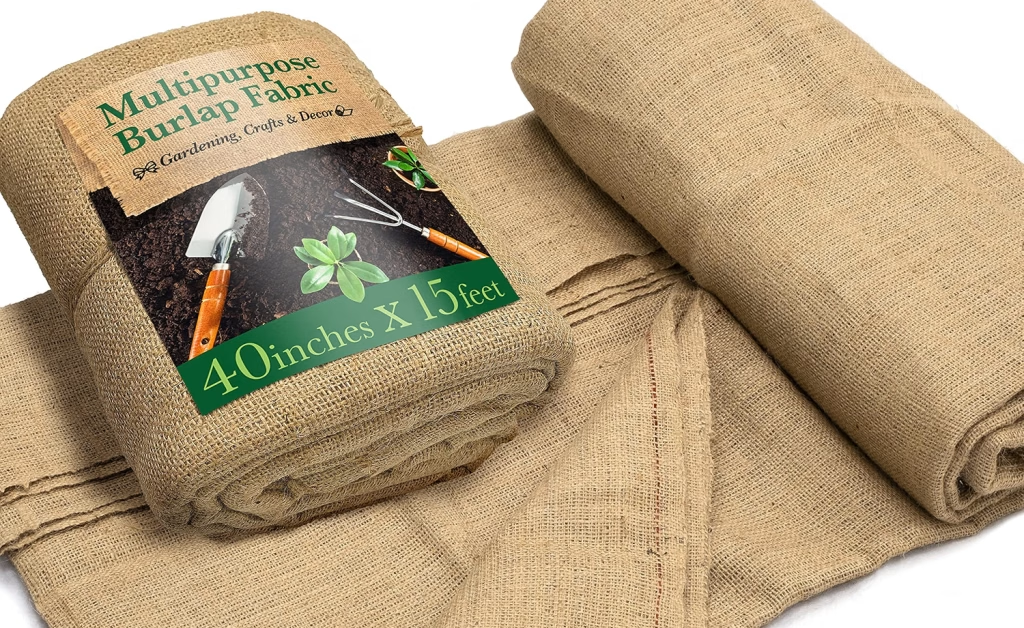
- Why It Works: Made entirely from the natural fibers of the jute plant, untreated burlap offers the same weed suppression and moisture retention as synthetic landscape fabric without the long-term chemical contamination. It blocks sunlight, reduces evaporation from the soil, and allows air and water to pass through freely. Unlike plastic barriers, jute burlap slowly biodegrades over two to three seasons, feeding local earthworm populations and converting into rich organic matter. It represents a long-term investment in building healthy, living soil.
Harvesting, Protecting, and Curing Crops Plastic-Free
Once your crops survive the seedling stage and grow through the summer, the final challenge arrives: protecting your ripening harvest and preparing it for storage.
This stage is often filled with hidden plastics:
- Synthetic nylon bird netting draped over fruit trees that snags on branches and shatters into plastic filaments.
- Green plastic-coated wire twist ties used to support heavy tomato plants.
- Nylon mesh produce bags used to hang and dry garlic, onions, and winter squash.
Protecting Fruit Trees Without Synthetic Netting
Polypropylene bird netting is notorious for its short lifespan. Sun exposure weakens the thin plastic strands within a single season, making it tear easily when removed from fruit trees like cherries or peaches. Even worse, the brittle plastic leaves sharp, invisible filaments in the tree branches that pose a severe entanglement risk to wild birds and pollinators.
To protect fruit trees without synthetic netting, consider using lightweight 100% cotton muslin plant covers or stainless steel wire mesh around the base of vulnerable trunks. Cotton covers protect fruit from birds and pests while allowing sunlight and rain to pass through, and they can be washed and reused for years.
Budget Product: 100% Natural Hemp Mesh Bags and Sisal Twine
Securing growing vines and curing harvested crops does not require plastic zip ties or synthetic nylon mesh.
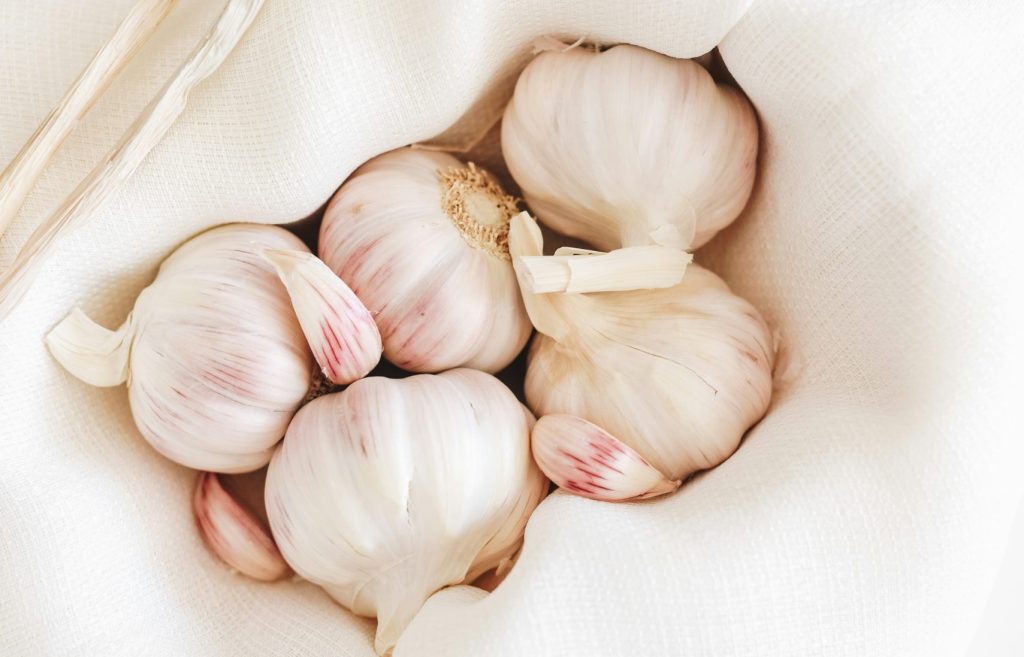
- Why It Works: Replacing synthetic support systems and storage containers with plant-based fibers is an affordable way to strip plastic out of your harvest routine. Heavy-duty sisal twine, derived from the Agave sisalana plant, provides strong support for heavy tomato vines or pole beans, holding up under rain and sun without stretching. When the season ends, you can toss the twine directly into your compost pile along with the dead tomato plants. For curing harvested garlic, onions, or shallots, breathable hemp mesh bags allow maximum air circulation to prevent mold, keeping your crops fresh without exposing them to synthetic fibers.
Building a Resilient, Plastic-Free Harvest System
Ditching plastic in the garden is not about throwing away functional tools in a fit of eco-anxiety. It is about shifting your mindset from disposable convenience to long-term stewardship.
Start small:
- Audit your garden: Identify where plastic is breaking down fastest (usually seed trays and thin weed fabrics).
- Phase out single-use materials: Replace plastic plant ties with natural sisal twine and stop buying synthetic weed barriers.
- Invest in lifetime tools: Transition to stainless steel soil blockers and natural jute burlap as your old equipment wears out.
By eliminating synthetic polymers from your soil, you protect beneficial soil life, prevent nanoplastic absorption into your food, and build an organic garden that is truly sustainable from seed to harvest.
Frequently Asked Questions
How do microplastics affect soil health? Microplastics alter soil structure by decreasing bulk density and changing how water moves through the dirt. They can also harm beneficial soil organisms, such as earthworms and mycorrhizal fungi, by disrupting their digestive systems and inhibiting their ability to break down organic matter into bioavailable plant nutrients.
Can plants absorb microplastics from the soil? Yes. Scientific research confirms that sub-micrometer nanoplastics can penetrate the root systems of food crops through open root tips. These microscopic particles can move through the plant’s vascular tissue (xylem) into edible leaves, stems, and fruits.
Are bioplastic seedling pots safe for home composting? Most bioplastic seedling pots, including those made from Polylactic Acid (PLA), are not suitable for home composting. They require industrial composting facilities with sustained temperatures above 140 degrees Fahrenheit (60 degrees Celsius) to break down. In a home compost bin or garden bed, they will remain intact for years.
What is the best plastic-free alternative to seedling trays? Soil blocking is the most effective plastic-free alternative. Using a handheld metal soil blocker, you compress damp growing media into self-contained soil cubes. This method eliminates containers entirely and produces healthier seedlings through natural air-pruning of the roots.
Is landscape fabric bad for garden soil? Yes. Woven synthetic landscape fabric degrades under UV sunlight, shedding microplastic particles into the topsoil. It also blocks organic matter from naturally mixing into the dirt, smothers earthworms, restricts air exchange, and eventually allows deep-rooted weeds to grow through the synthetic mesh, making them harder to remove.
What can I use instead of plastic landscape fabric for weed control? Heavyweight untreated jute burlap, plain unprinted corrugated cardboard, and thick layers of organic mulch (like wood chips or clean straw) are excellent natural alternatives. They smother weeds and retain soil moisture while slowly decomposing into organic matter that feeds beneficial soil organisms.
How do I know if garden netting contains plastic? Almost all black or green mesh netting sold for fruit trees and pest control is made from synthetic polymers like polypropylene or nylon. Unless a netting product explicitly states that it is made from 100 percent natural fibers (like cotton or jute) or metal wire, it is a synthetic plastic product.
Are black plastic nursery pots recyclable? Most residential curb-side recycling programs do not accept black plastic nursery pots. The carbon black pigment used to color the plastic absorbs the infrared light used by automated sorting machines at recycling facilities, causing the pots to be misidentified as trash and sent directly to landfills.
How long does it take for burlap to break down in the garden? Untreated 100 percent natural jute burlap typically biodegrades within one to three seasons, depending on soil moisture, temperature, and microbial activity. As it decomposes, it converts into harmless organic matter that improves soil structure.
How can I tie up climbing plants without plastic twist ties? You can use natural plant-based twines like sisal, jute, or hemp. These natural cords provide strong support for climbing vines during the growing season and can be composted along with the spent plant material at the end of the year.
This article contains affiliate links. As an Amazon Associate, Plastic Free Everything earns from qualifying purchases at no extra cost to you.