The Plant-Based Plastic Paradox: Why Your Vegan Leather Jacket is Hiding a Toxic Secret
You bought a vegan leather jacket to save the animals, but you might just be wearing a petroleum byproduct in disguise.
It is a harsh realization. You are trying to make ethical fashion choices. You check the tags. You look for the “cruelty-free” stamp. You want to do the right thing. But the fashion industry is playing a massive game of semantic gymnastics. “Vegan” simply means no animal products were used. It says absolutely nothing about the environmental impact, the chemical makeup, or the plastic content of the garment. Welcome to the ultimate greenwashing trap.
We need to talk about the chemistry of faux leather. We need to look past the brilliant marketing campaigns and examine the actual polymers that make up your favorite boots, belts, and bags. Because right now, the sustainability movement is being hijacked by the fossil fuel industry, and they are using words like “plant-based” to sell you pure plastic.
This is not about shaming your past purchases. Progress over perfection. We have all bought synthetic materials thinking we were making the eco-friendly choice. But once you understand the science behind these materials, you can make better choices moving forward. Let us unpack the truth about vegan leather.
What Is Vegan Leather Actually Made Of?
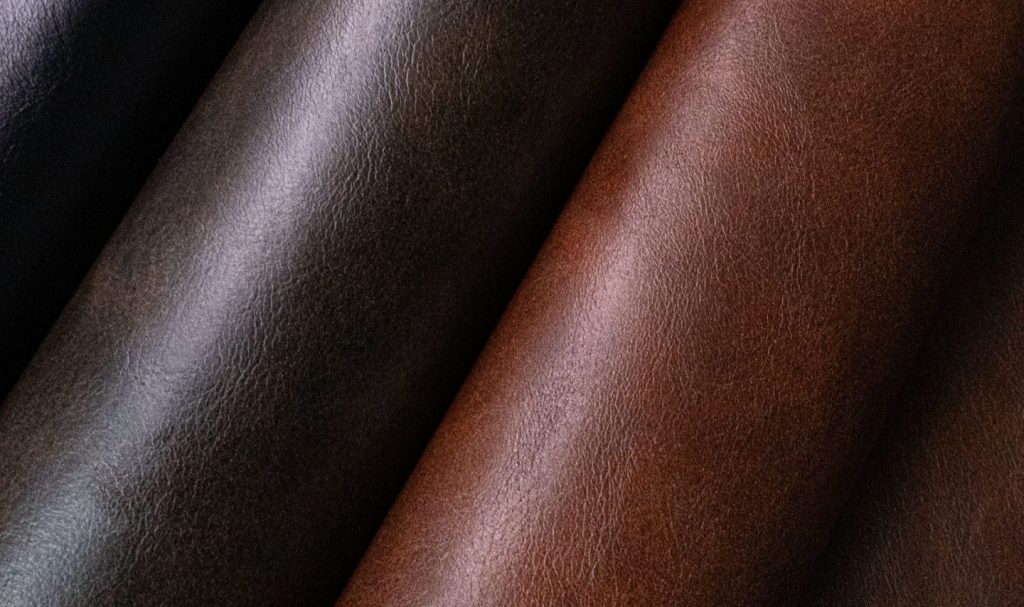
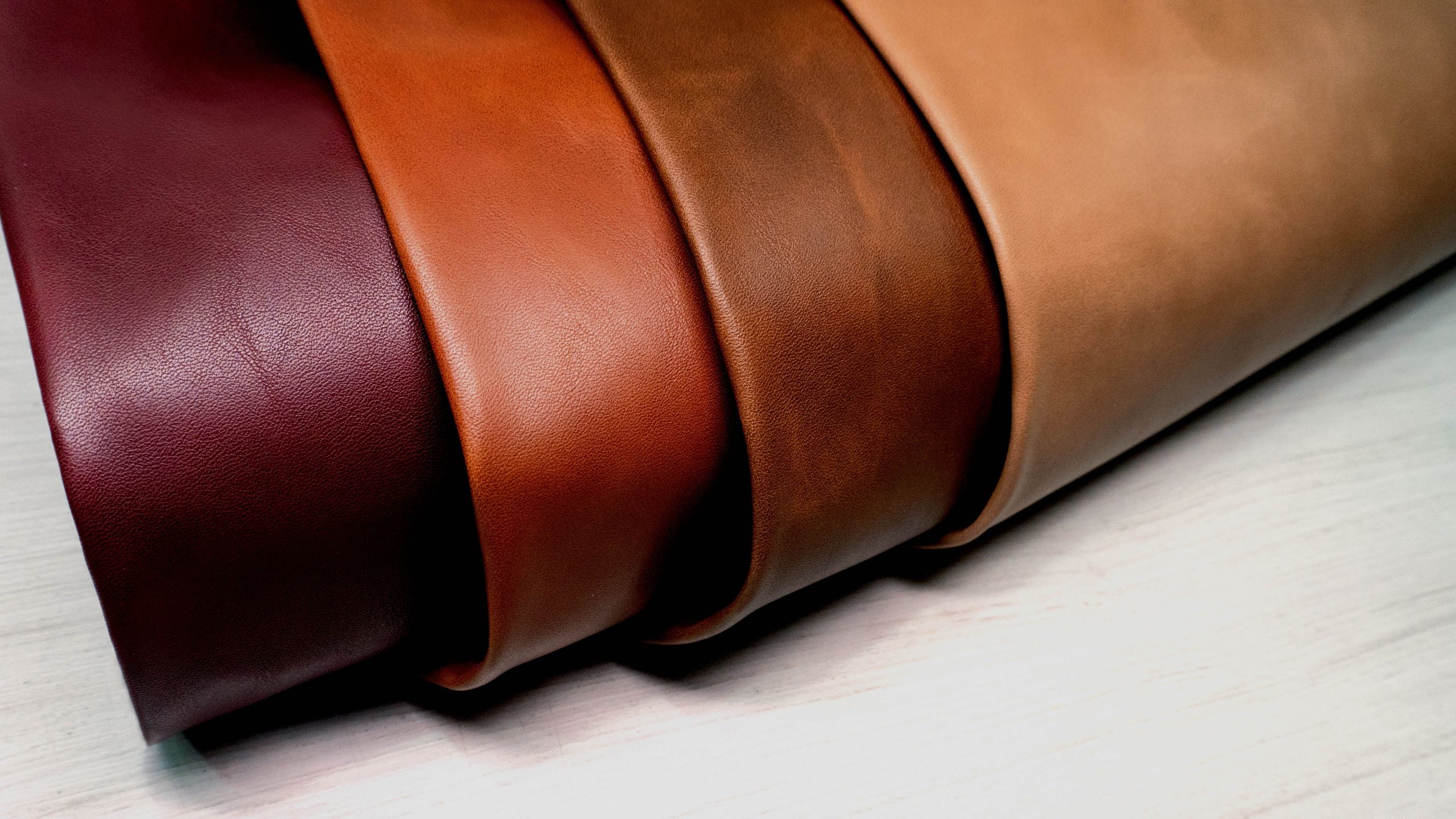
To understand the vegan leather market, you have to understand basic polymer science. Historically, fake leather was simply called “pleather” (plastic leather). Consumers knew it was cheap. They knew it made them sweat. They knew it would crack after a single season.
Then, marketing departments got smart. They rebranded “pleather” as “vegan leather,” instantly transforming a cheap synthetic into a premium, ethical luxury good. But the underlying chemistry barely changed.
The vast majority of vegan leather on the market today is made from one of two materials:
Polyvinyl Chloride (PVC) This is the original fake leather. PVC is a rigid plastic that requires a massive amount of toxic chemicals to become soft enough to wear. To achieve that leather-like flexibility, manufacturers pump PVC full of plasticizers called phthalates. Phthalates are established endocrine disruptors. They do not stay locked inside the material. They actively migrate off the surfaces of your clothing and bags into household dust, eventually making skin contact or being inhaled.
Polyurethane (PU) This is the modern darling of the fake leather world. It feels softer. It breathes slightly better than PVC. Brands love to market it as the “greener” alternative to PVC. But make no mistake. Polyurethane is still a synthetic polymer derived entirely from fossil fuels. Furthermore, manufacturing synthetic PU emits dangerous volatile organic compounds (VOCs) like dimethylformamide (DMF) into the atmosphere and local waterways.
Neither of these materials is a sustainable solution. They are both plastics. They both rely on oil extraction. They both pollute during production.
The Bio-Leather Greenwashing Trap: Cactus, Apple, and Pineapple Leather
If you follow sustainable fashion, you have probably seen the viral videos. A startup claims they have revolutionized the industry by turning discarded apple peels, cactus leaves, or pineapple fibers into beautiful luxury leather.
It looks like magic. It feels like the future. Sadly, it is mostly a brilliant illusion.
Here is the scientific reality of bio-leathers. You cannot turn a cactus leaf into a durable, waterproof handbag using just the plant itself. The plant fibers act as a filler. To bind those fibers together and give them the texture, strength, and water resistance of leather, manufacturers must use a synthetic polymer matrix. Let us look at the data:
- Commercial Pineapple Leaf Material: Products like Piñatex often rely on a petroleum-derived polyurethane top coating for water resistance. This results in a composite material containing anywhere from 20 to 50 percent actual plastic.
- Cactus Leather: Many popular cactus leathers blend plant material with a PU bio-polyol matrix. In some formulations, up to 65 percent of the finished product is purely synthetic plastic resin.
- Apple Leather: Marketing campaigns proudly highlight that their bags are “made with 30 percent apple waste.” They conveniently stay completely silent about the remaining 70 percent synthetic fossil-fuel polymer matrix holding the bag together.
This is the plant-based plastic paradox. Equating animal welfare directly with zero environmental impact is a logical fallacy. You might be saving a cow, but you are directly supporting the synthetic plastics industry that pollutes the natural habitats of countless other species.
Does Vegan Leather Decompose? (The Microplastic Degradation Cycle)
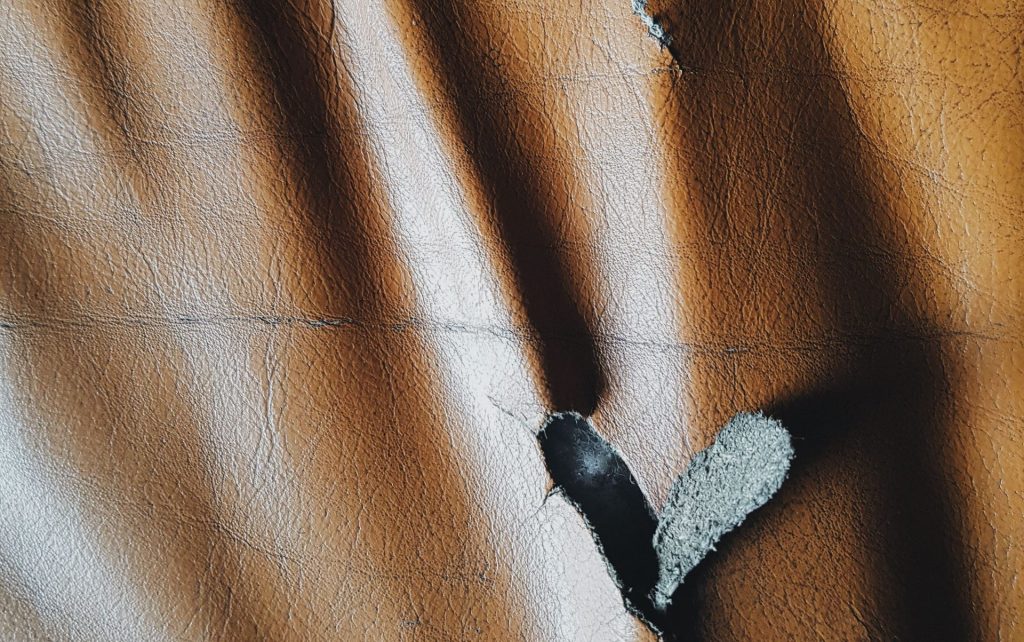
We need to answer a critical question about the end of your garment’s life. What happens when you throw a vegan leather jacket away? The short answer is terrible. It never truly disappears.
Petroleum-based PU and PVC leathers do not biodegrade in municipal landfills. They are synthetic polymers. Bacteria and fungi do not recognize them as food. Instead of rotting and returning to the earth, these materials undergo a process called environmental fragmentation.
Think about an old fake leather jacket you have owned. You know the exact lifecycle. After about 18 to 24 months of regular wear, friction takes its toll. The material around the collar or the cuffs starts to bubble. Then, it starts to peel. Tiny flakes of fake leather start falling off onto your car seat, your couch, and your floors. Those flakes are secondary microplastics.
When you wash these garments, or when they finally end up in a landfill, environmental friction causes those microplastics to break down even further into toxic nanoplastics. These microscopic plastic shards enter the soil. They wash into the water table. They become airborne dust.
A natural leather jacket, while carrying its own heavy environmental footprint during the tanning process, will eventually decompose if it is vegetable-tanned. A polyurethane jacket will sit in a landfill shedding microplastics for centuries.
Recycled PET Faux Leather: A One-Way Ticket to the Landfill
Another incredibly common greenwashing tactic is the use of recycled plastic bottles to create vegan leather. The label will proudly claim “Made from 100% Recycled Ocean Plastic.”
This sounds like a massive win for the environment. You are pulling plastic out of the ocean and turning it into a stylish pair of boots. What could possibly be wrong with that? Everything.
When you take a recycled polyethylene terephthalate (PET) water bottle and spin it into a textile backing, you have to bond it to layers of polyurethane to make it look and feel like leather. You have just created a complex, multi-material composite.
This composite structure permanently locks the material out of circular textile recycling systems. You can recycle a plain plastic bottle again. You cannot recycle a plastic bottle that has been chemically bonded to a layer of PU synthetic leather.
By turning those bottles into faux leather, fashion brands are not solving the plastic crisis. They are just delaying the landfill by a few short years and ensuring the material can never be recycled again.
The Plastic-Free Care & Preservation Toolkit
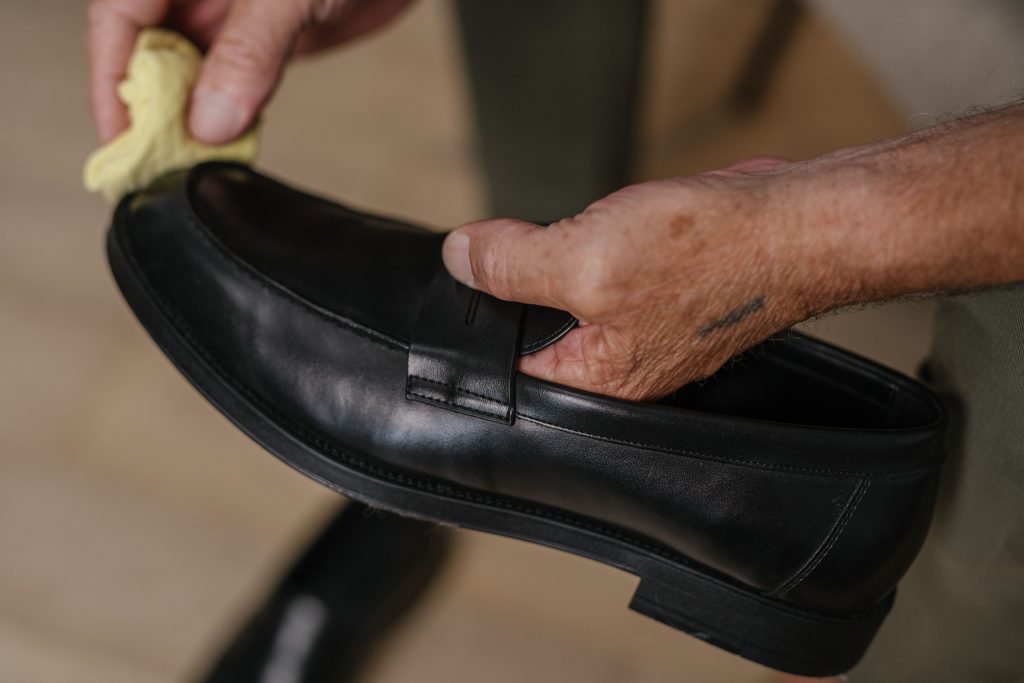
The biggest consumer frustration with both real and alternative leathers is durability. Most people buy “vegan leather” thinking it is an eco-friendly investment, only to watch it aggressively peel within a year and a half.
The ultimate secret to a plastic-free lifestyle is durability. We must shift our focus to buying true plastic-free alternatives and caring for them so they last a lifetime. Materials like heavy waxed canvas, natural cork, and vintage vegetable-tanned leather can last decades if you maintain them.
However, conventional care products are a nightmare. Commercial waterproofing sprays for synthetic leather use aerosolized fluoropolymers (PFAS) and acrylic resins. When you spray them on your boots, you contaminate your indoor air with toxic forever chemicals.
We need a better way. Here is a curated guide to building a 100 percent plastic-free maintenance routine. Buy once. Care forever.
Brushing & Polishing
100% Natural Horsehair Cleaning Brushes and 100% Cotton Polishing Cloths
Your cleaning routine might be shedding microplastics without you knowing it. Standard cleaning kits come with synthetic nylon brushes and microfiber cloths. Every time you scrub your boots or wash that microfiber cloth, thousands of microscopic plastic threads wash down the drain. Swap these out immediately for natural horsehair brushes. They are gentle on natural materials like cork and waxed canvas. Pair them with unbleached organic cotton polishing cloths. When these items eventually wear out, they will safely biodegrade in a compost bin.
Conditioning
Otter Wax All-Natural Fabric Wax & Leather Salve
If you are transitioning to durable, plastic-free alternatives like waxed canvas jackets or vintage leather boots, you must protect them from the elements. Do not reach for the aerosol silicone spray. Otter Wax offers a 100 percent plastic-free, petroleum-free, and fluorocarbon-free waterproofing solution. It is made entirely from pure beeswax and plant oils. You rub the wax bar directly into the canvas to create a naturally waterproof seal. For vintage leather or tough cork, Skidmore’s Leather Cream offers deep conditioning using natural oils and beeswax, restoring the material without coating it in synthetic polymers.
Shapers
Solid Cedar Wood Shoe Trees and Custom Canvas & Kapok Bag Shapers
Moisture and structural collapse are the enemies of a long-lasting wardrobe. When you take off your shoes or empty a handbag, the material needs to hold its shape while drying out. Most brands sell cheap plastic shoe shapers or tell you to stuff your bags with plastic bubble wrap. Invest in solid cedar wood shoe trees. Cedar naturally absorbs sweat and moisture from the lining of your shoes while preventing the toe box from collapsing. For bags, buy a set of 100% cotton canvas zippered pouches and stuff them yourself with Kapok fiber. Kapok is a sustainable, lightweight tree fiber that holds its shape beautifully without trapping moisture. Preserving the structure of your gear prevents cracking and extends the life of the item by years.
Progress Over Perfection: Building a Truly Plastic-Free Wardrobe
Navigating the ethical fashion landscape is exhausting. Brands spend millions of dollars to confuse you with scientific-sounding buzzwords. Do not let the greenwashing paralyze you.
If you want to avoid the plant-based plastic paradox, you have to look for single-origin natural materials. Heavyweight waxed canvas offers incredible weather resistance and ages beautifully. Natural cork, when harvested sustainably and backed with organic cotton rather than PU, is a remarkably durable and water-resistant vegan option. Mirum is an exciting new material hitting the market that uses natural rubber, plant fibers, and minerals with absolutely zero plastic binders.
If your personal ethics allow for it, shopping for vintage, secondhand animal leather is often considered one of the most environmentally friendly choices you can make. It keeps existing materials in circulation. It requires zero new resources. It prevents a durable good from entering a landfill.
Read the tags. Question the marketing. Look beyond the “vegan” label and ask what the product is actually made of. The earth does not need another polyurethane jacket, no matter how many apple peels they sprinkle into the mix.
Frequently Asked Questions
Does vegan leather contain microplastics? Yes. The vast majority of vegan leather is made from polyurethane (PU) or polyvinyl chloride (PVC). These are synthetic fossil-fuel plastics. As the material ages and experiences friction from daily wear, it flakes and sheds tiny plastic particles known as microplastics into the environment.
Is cactus leather 100 percent plastic free? No. While cactus leather utilizes biological plant matter, it requires a synthetic polymer binder to achieve a durable, leather-like texture. Most commercial cactus leathers rely on a polyurethane bio-polyol matrix, meaning a significant percentage of the final product is still plastic.
What is the difference between PU leather and vegan leather? In most cases, there is no difference. “Vegan leather” is simply a marketing term used to describe any leather alternative made without animal products. PU (polyurethane) leather is the specific chemical material used to create over 80 percent of the vegan leather products currently on the market.
Is polyurethane leather biodegradable? No. Polyurethane is a synthetic polymer derived from petroleum. It cannot be broken down by natural biological processes. When thrown into a landfill, it will undergo environmental fragmentation, breaking apart into smaller and smaller plastic shards over hundreds of years.
Are there any completely plastic free vegan leathers? Yes, but they are rare. Mirum is currently one of the only commercially available vegan leathers engineered entirely without synthetic plastics, utilizing natural rubber and plant-based oils. Natural cork backed with organic cotton is another excellent plastic-free alternative.
Does recycled vegan leather help the environment? Not necessarily. While it utilizes recycled plastic bottles (PET), the manufacturing process permanently bonds that recycled plastic to layers of polyurethane. This creates a multi-material composite that can never be recycled again, effectively breaking the circular recycling chain.
How long does vegan leather last compared to real leather? Synthetic vegan leather typically lasts between two and five years before the plastic topcoat begins to bubble, crack, and peel. High-quality, well-maintained real leather can last several decades and often outlives the original owner.
Can you recycle vegan leather bags or shoes? No. Because vegan leather is typically constructed by bonding a synthetic plastic topcoat to a fabric backing (like polyester or cotton), municipal recycling facilities cannot separate the materials. They must be thrown in the general trash.
What chemicals are used to make vegan leather? PVC-based vegan leather utilizes phthalates as plasticizers to make the rigid plastic soft. PU-based vegan leather manufacturing often involves dimethylformamide (DMF), a highly toxic volatile organic compound that poses severe risks to factory workers and local waterways.
How can I waterproof my shoes without plastic sprays? Avoid commercial aerosol waterproofing sprays, as they often contain synthetic fluoropolymers and acrylic resins. Instead, use natural fabric wax made from pure beeswax and plant oils.

This article contains affiliate links. As an Amazon Associate, Plastic Free Everything earns from qualifying purchases at no extra cost to you.