Is Ceramic Cookware Actually Safe? What They Don’t Tell You on the Label
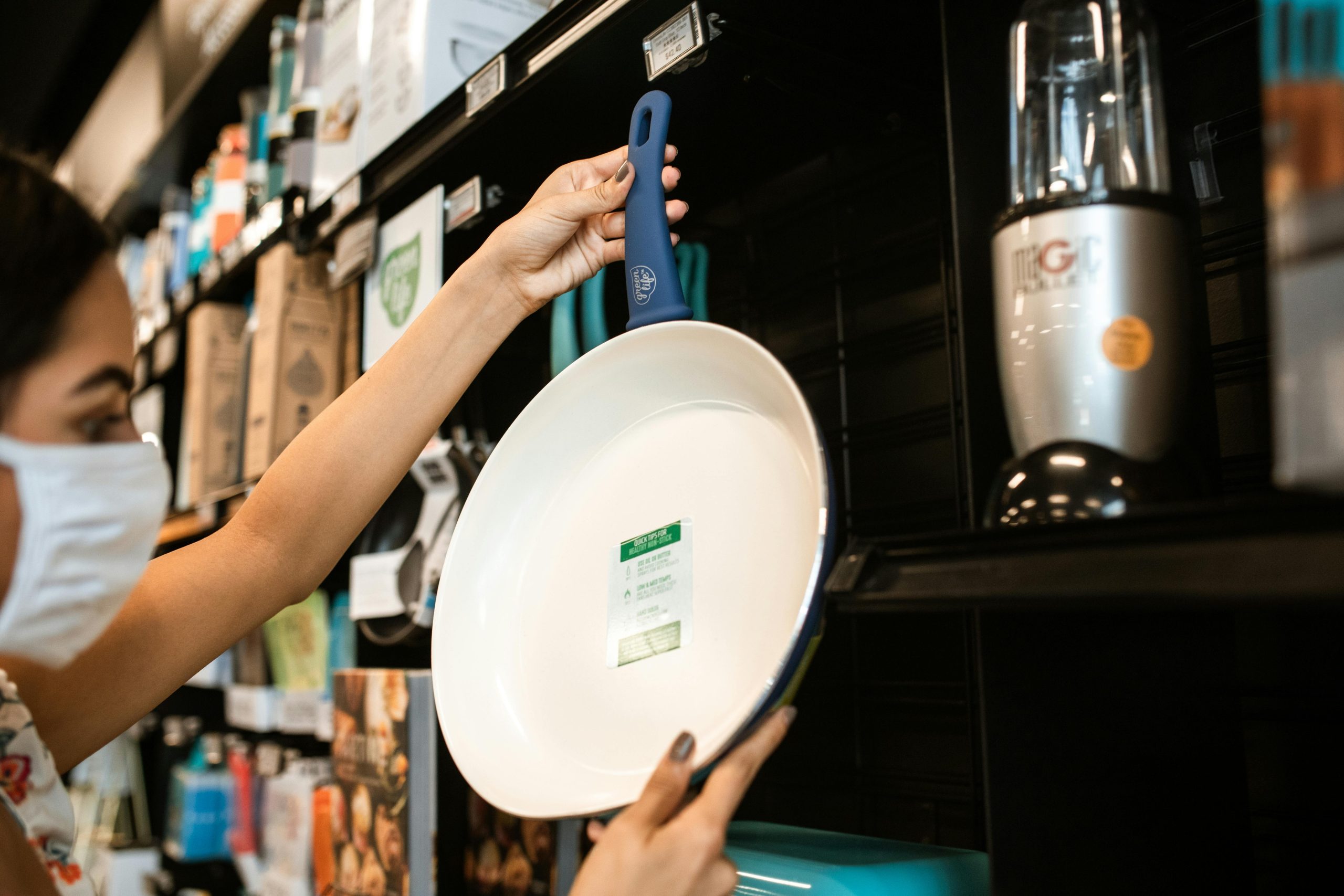
You tossed your scratched Teflon pan, spent $150 on an Instagram-famous ceramic skillet, and patted yourself on the back for saving your family from forever chemicals. But flip that pan over, and you might find the wellness industry’s most clever marketing trick staring right back at you.
Welcome to the confusing, heavily marketed, and often frustrating universe of modern cookware. If you are reading this, you are probably trying to make better choices for your home. You want to cook eggs without scraping toxic flakes into your breakfast. You want to buy products that do not poison the planet.
You are doing the right thing. But the cookware industry is notorious for exploiting good intentions.
We are going to look closely at the polymer science, the manufacturing realities, and the actual lifespan of these trendy aesthetic pans. We will explore why your perfectly smooth non-stick pan suddenly turned into a sticky nightmare after just a few months. Most importantly, we will give you a roadmap for finding truly non-toxic, plastic-free cookware that actually lasts a lifetime.
The Ceramic Cookware Definition: What Are You Actually Cooking On?
When you hear the word ceramic, your brain likely pictures a potter’s wheel. You imagine natural clay sourced from the earth, shaped by hand, and fired in a blazing hot kiln until it becomes a solid piece of stone.
That is pure ceramic. That is not what your pastel-colored non-stick skillet is made of.
The vast majority of modern ceramic pans are actually aluminum pans coated with a synthetic material created through a chemical process known as Sol-Gel. This is the first major misconception we need to clear up. You are not cooking on a solid piece of baked clay. You are cooking on a metal core that has been sprayed with a silicon-based chemical finish.
The Sol-Gel Chemistry Explained
Sol-Gel stands for solution-gelation. It is a highly complex chemical process where inorganic materials (usually silica, which is derived from sand) are converted from a liquid solution into a solid gel matrix.
Manufacturers use this process to create a microscopic, glass-like film. This film is then sprayed onto a hard anodized aluminum or stainless steel base and cured under relatively low heat. The resulting surface is slick, glossy, and hydrophobic. It repels water and oil, making it incredibly effective at releasing food without sticking.
Is this better than traditional Teflon? Yes. Traditional non-stick coatings rely on polytetrafluoroethylene (PTFE), which belongs to a class of synthetic chemicals known as PFAS (per-and polyfluoroalkyl substances). These are the infamous forever chemicals linked to a host of environmental and health issues. Sol-gel coatings do not use PTFE. They do not use PFOA or PFOS.
From a purely chemical standpoint, replacing forever chemicals with a silica-based alternative is a step in the right direction. The problem is not necessarily the chemical makeup of the sol-gel itself. The problem is how this material behaves under real-world cooking conditions.
The 8-Month Expiration Date: Why Ceramic Non-Stick Pans Stop Working
Let us validate your struggle right now. You are not crazy. You did not forget how to cook. Your expensive, beautifully designed pan really did stop working.
Almost every owner of a sol-gel ceramic pan experiences the exact same heartbreaking timeline.
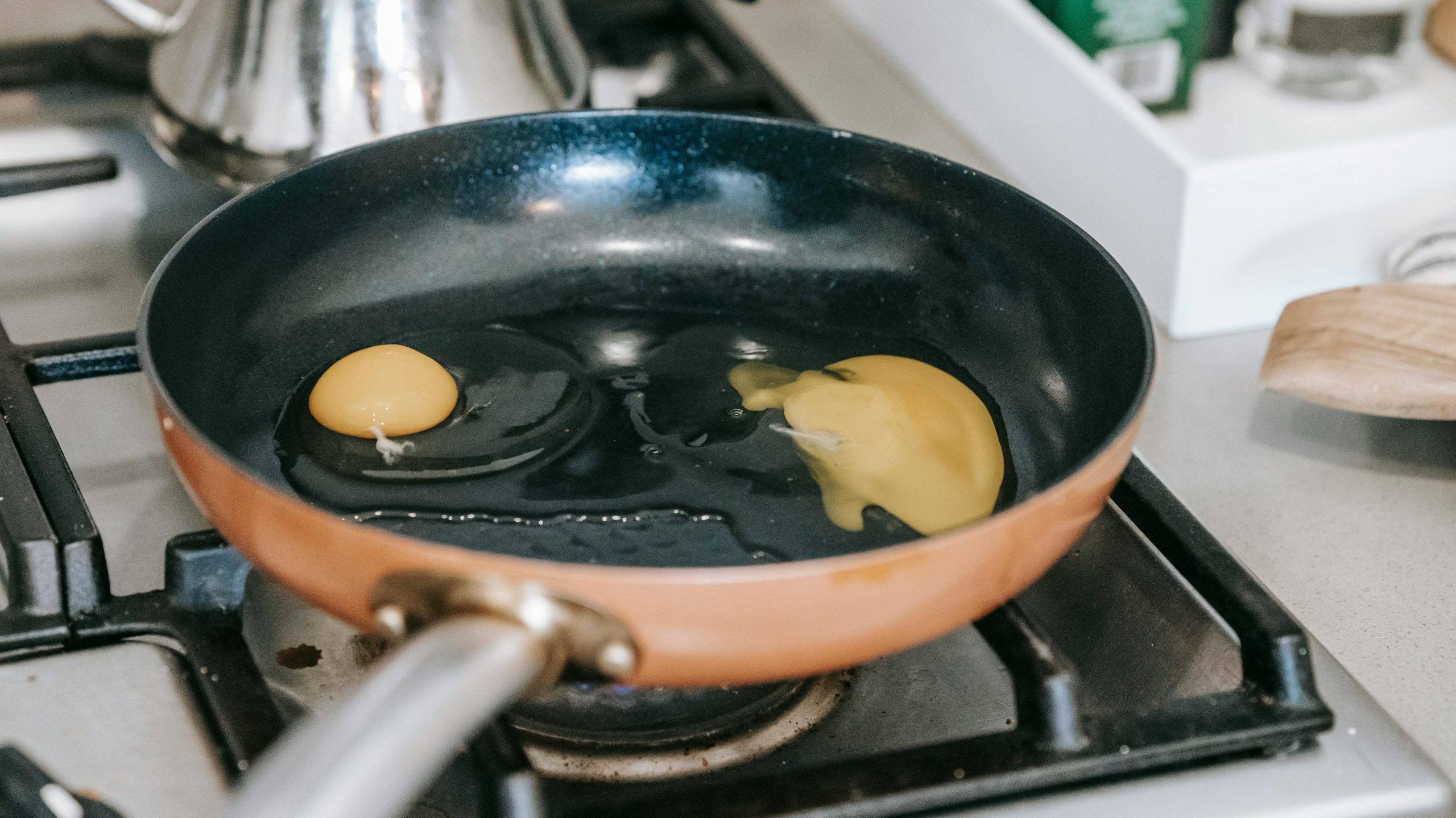
Month one is pure magic. Eggs slide around the pan like they are on an ice rink. You barely need to use a sponge to clean it. You feel like a culinary genius. By month four, you notice a little bit of sticking around the edges. By month eight, your tofu scramble is fused to the center of the pan with the strength of industrial glue.
Why does this happen? It comes down to basic materials science.
The Microscopic Breakdown
Sol-gel coatings are incredibly thin. They are also brittle. While they are marketed as being tough enough to handle daily cooking, the silica network actually degrades very quickly under standard stovetop conditions.
Here is exactly what destroys your ceramic coating:
- High Heat Degradation: Sol-gel cannot withstand high temperatures. Even bringing a pan up to medium-high heat to sear a piece of vegetables starts to break down the microscopic structure of the coating. The silica matrix weakens, micro-fractures appear, and the non-stick properties begin to vanish.
- Carbonization of Oils: Because the coating breaks down under heat, microscopic pores open up on the surface of the pan. When you use cooking sprays or heat olive oil, those fats get trapped in these invisible pores. Over time, the heat carbonizes the trapped oil, creating a sticky, polymerized residue that you cannot scrub off without destroying the pan completely.
- Abrasive Wear and Tear: Even if you use wooden spoons or silicone spatulas, the simple friction of moving food around the pan slowly wears away the micro-thin sol-gel layer.
The cookware industry knows this. They know that sol-gel is a temporary solution. Yet, these products are marketed as sustainable investments for your kitchen. This brings us to the most problematic aspect of the ceramic cookware trend.
The Recycling Fallacy: The Hidden Environmental Cost of Sol-Gel Coatings
We need to talk about the concept of planned obsolescence. This is a business strategy where a product is designed with an artificially limited useful life. The goal is to force the consumer to buy a replacement product sooner rather than later.
Whether intentional or just a byproduct of the chemistry, sol-gel ceramic pans operate on a model of planned obsolescence. They are designed to fail.
A product cannot be truly eco-friendly or sustainable if its lifecycle requires you to throw it in the garbage every single year.
The Mixed Materials Problem
You might be thinking you can just recycle the pan once the coating wears off. It is made of aluminum, right? Aluminum is one of the most highly recycled materials on the planet.
Unfortunately, recycling facilities operate on purity. When an aluminum pan is permanently bonded with a synthetic sol-gel coating and attached to a stainless steel or plastic handle, it becomes a mixed material object.
Municipal recycling centers do not have the technology or the financial incentive to strip the microscopic silica layer off the aluminum core. If you put a dead ceramic pan in your blue recycling bin, it will almost certainly be pulled off the sorting line and redirected to a landfill.
The True Carbon Footprint
Consider the environmental toll of this lifecycle. Raw aluminum is mined (often through environmentally destructive bauxite mining). It is shipped to a factory where it is smelted, shaped, and sprayed with chemically synthesized sol-gel. It is packaged in cardboard, shipped across the ocean on a massive cargo vessel, put on a delivery truck, and driven to your front door.
Nine months later, it is sitting in a local landfill taking up space for the next five centuries.
Then, you buy another one. The cycle repeats. The carbon emissions tied to the constant manufacturing and shipping of these short-lived pans completely negate any green claims made by the brands selling them.
Toxicity Concerns: Is Scratched Ceramic Cookware Safe to Use?
Once the non-stick magic is gone, most people keep using the pan out of sheer stubbornness. But what happens when that thin sol-gel coating actually begins to scratch and chip away?
This is where the conversation shifts from sustainability back to personal health.
When the sol-gel barrier fails, the underlying metal core is exposed. In almost all cases, this core is made of aluminum. Aluminum is an excellent conductor of heat, which makes it great for cooking, but it is highly reactive.
If you cook highly acidic foods in a scratched ceramic pan, a chemical reaction occurs. Tomatoes, citrus juices, vinegar, and wine will interact with the exposed aluminum. This reaction can leach microscopic amounts of aluminum directly into your food.
While the scientific community still debates the exact long-term health impacts of dietary aluminum exposure, most health-conscious consumers are actively trying to reduce their heavy metal load. Furthermore, cooking acidic foods on exposed aluminum can alter the taste of your meal, leaving a metallic, bitter flavor in your sauces.
If your ceramic-coated pan is visibly chipped or heavily scratched, it is time to retire it. The risk of heavy metal leaching and consuming flakes of degraded silica polymer is simply not worth the risk.
The Greenwashing Filter: How Brands Mislead Eco-Conscious Cooks
The wellness and sustainability space is flooded with greenwashing. Brands use clever phrasing to make their products sound much safer and more natural than they actually are.
Here is exactly what you need to look out for when evaluating cookware marketing claims.
“100% Non-Toxic”
This phrase is virtually meaningless without proper context. A brand can claim their sol-gel coating is non-toxic because it lacks PTFE and PFOA. However, they rarely provide data on what happens to the coating when it is heated beyond safe parameters or what specific binding agents are used to adhere the silica to the metal. Always look for third-party testing regarding heavy metals like lead and cadmium in the color glazes.
“Made from Sand and Earth”
This is the most common sol-gel marketing tactic. By focusing on the origin of the raw material (silica from sand), brands intentionally obscure the heavy chemical processing required to turn that sand into a synthetic polymer spray. Plastic is technically derived from fossil fuels found in the earth, but we do not call plastic containers earth-based.
“Eco-Friendly and Green”
As we established, a pan that cannot be recycled and must be replaced annually is an environmental nightmare. True eco-friendly cookware is built on the concept of longevity. The greenest pan is the one you only have to buy once.
Truly Non-Toxic, Plastic-Free Cookware Alternatives That Last a Lifetime
Progress over perfection. That is our motto. If you are ready to step off the ceramic non-stick treadmill, you need to look at materials that have stood the test of time.
Yes, cooking on traditional materials requires a slight learning curve. You will need to learn how to properly heat your pan and use fats to prevent sticking. But the reward is cookware that will literally outlive you.
Here are the best genuinely non-toxic, plastic-free, heirloom-quality alternatives categorized by your budget.
Budget: Traditional Cast Iron or Carbon Steel
You do not need to spend hundreds of dollars to have a non-toxic kitchen.
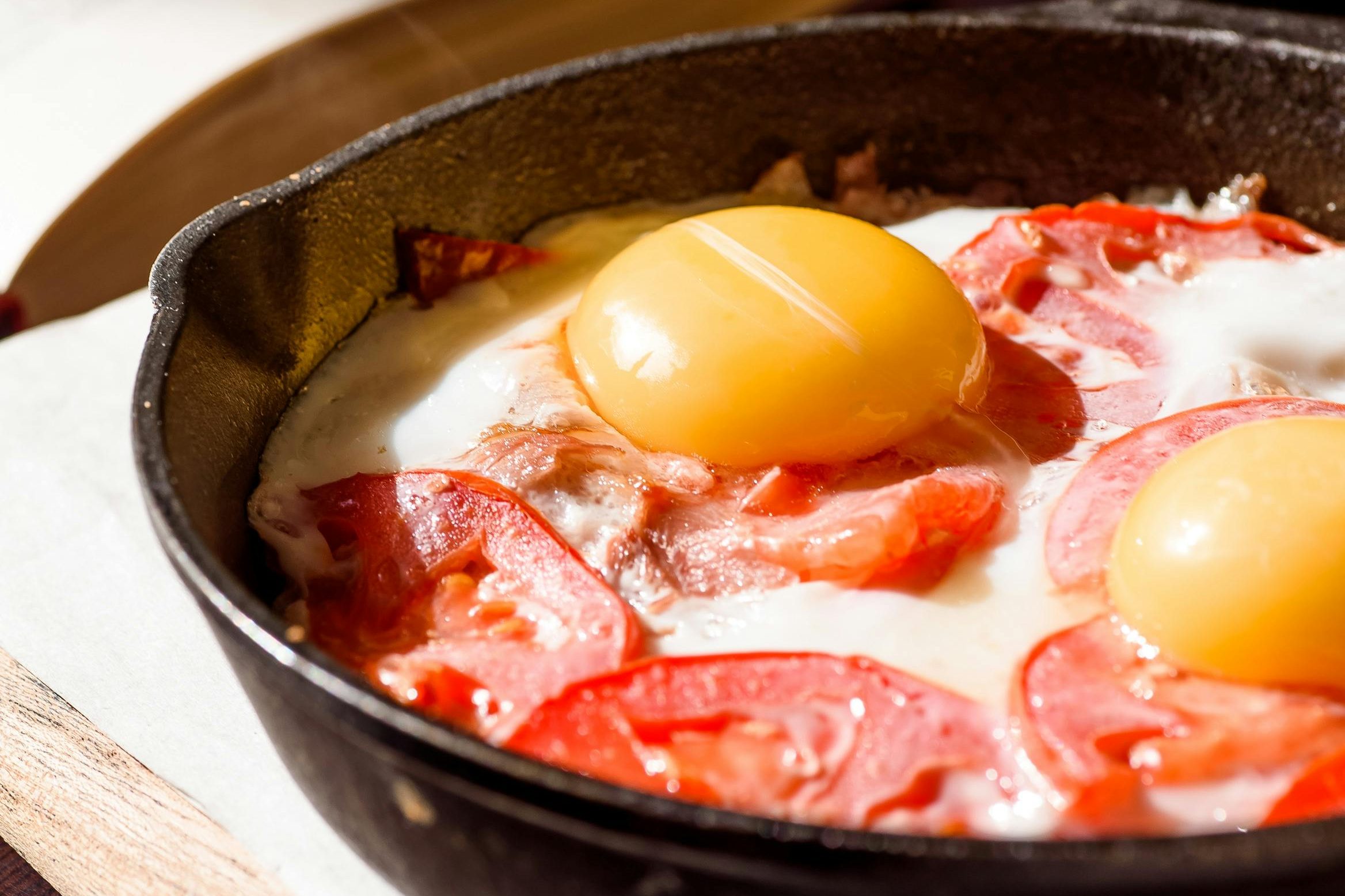
The Solution: Bare cast iron and carbon steel pans are the original non-stick cookware. When properly seasoned with polymerized cooking oils, these pans create a naturally slick surface that rivals any synthetic coating.
Why we love it: They are virtually indestructible. If you accidentally leave a cast iron pan out in the rain and it rusts, you can scrub it down with steel wool, re-season it, and it will be as good as new. They also add trace amounts of beneficial iron to your food.
What to look for: Brands like Lodge offer incredible cast iron pans for under $30. Look for carbon steel pans from restaurant supply brands like De Buyer. Ensure the handles are made of metal or wood, completely avoiding plastic or silicone grips.
Best Overall: Enameled Cast Iron
If you want the durability of cast iron but the convenience of a surface that does not require constant seasoning, enameled cast iron is the ultimate sweet spot.
The Solution: A heavy cast iron core is coated with a thick layer of powdered glass, which is melted and baked onto the metal at extremely high temperatures. This is genuine vitreous enamel, not a spray-on polymer.
Why we love it: Enameled cast iron is naturally completely non-toxic. It does not react with acidic foods. You can simmer tomato sauce for six hours without any metallic leaching. The surface is hard, durable, and exceptionally easy to clean.
What to look for: Le Creuset and Staub are the heritage brands in this category. They are expensive, but they offer lifetime warranties. These pieces are meant to be passed down to your grandchildren.
Investment: 100% Pure Ceramic
If you want the absolute highest level of purity and have the budget to invest in specialized cookware, pure ceramic is the answer.
The Solution: Instead of a metal core sprayed with a coating, these pans are made entirely of natural clay, water, and minerals. They are shaped, glazed with glass, and fired in kilns at over 2,000 degrees Fahrenheit.
Why we love it: This is the only cookware on the market that is truly inert. It will never leach metals because there is no metal in it. It will never release polymer flakes because there are no polymers. It holds heat beautifully and provides incredibly even cooking.
What to look for: Xtrema is the leading brand for 100% pure ceramic cookware. Be aware that pure ceramic is heavy and can shatter if dropped on a hard tile floor. It requires careful handling, but the peace of mind regarding toxicity is unmatched.
Frequently Asked Questions About Ceramic Cookware Safety
What is ceramic cookware made of? Most modern ceramic cookware is not made of solid clay. It features an aluminum or stainless steel metal core coated with a synthetic, silicon-based polymer known as sol-gel. This creates a non-stick surface without the use of traditional Teflon.
How long do ceramic pans actually last? Under normal daily use, a sol-gel ceramic coated pan will typically maintain its non-stick properties for 6 to 12 months. High heat, abrasive cleaning, and carbonized cooking oils will rapidly degrade the microscopic surface.
Is scratched ceramic coating toxic? While the sol-gel coating itself is generally considered non-toxic, a scratched pan exposes the underlying metal core (usually aluminum). Cooking acidic foods on exposed aluminum can cause heavy metal leaching into your meals.
Are ceramic pans eco-friendly or recyclable? No. Because they consist of an aluminum core permanently bonded to a synthetic polymer coating, they are considered mixed materials. Most municipal recycling facilities cannot process them, meaning discarded ceramic pans almost always end up in landfills.
Does ceramic cookware contain forever chemicals (PFAS)? Legitimate sol-gel ceramic coatings are free of PTFE, PFOA, and other per- and polyfluoroalkyl substances (PFAS). This makes them a safer alternative to traditional non-stick pans regarding forever chemicals.
Why did my ceramic pan stop being non-stick? The sol-gel coating is a highly delicate silica matrix. Exposure to high stovetop heat causes micro-fractures in the finish. Cooking oils then seep into these fractures and bake onto the surface, creating a permanent sticky residue.
Can you restore a damaged ceramic pan? No. Once the sol-gel coating is degraded, burned, or scratched off, it cannot be re-applied or restored at home. The loss of non-stick capability is a permanent chemical failure of the surface.
Is 100% pure ceramic cookware better than ceramic coated? Yes, regarding longevity and purity. 100% pure ceramic cookware is molded from actual clay and fired in a kiln. It contains no metal core, no synthetic polymers, and will not degrade over time, though it is fragile and can break if dropped.
What is the safest cookware material for everyday use? For ultimate safety and longevity, uncoated cast iron, carbon steel, enameled cast iron, and high-quality stainless steel are considered the safest materials. They do not rely on synthetic chemical coatings and can last a lifetime with proper care.
How do I safely dispose of an old non-stick pan? Do not put it in your standard recycling bin. Check with your local waste management facility to see if they have a specific scrap metal drop-off program that accepts mixed-material cookware, though many will advise throwing it in the regular trash.

This article contains affiliate links. As an Amazon Associate, Plastic Free Everything earns from qualifying purchases at no extra cost to you.