The Safest Non-Toxic Baby Shampoos: No Plastic, No Harsh Chemicals
The warm bathwater your baby is splashing in might be pulling invisible chemicals straight out of their shampoo bottle.
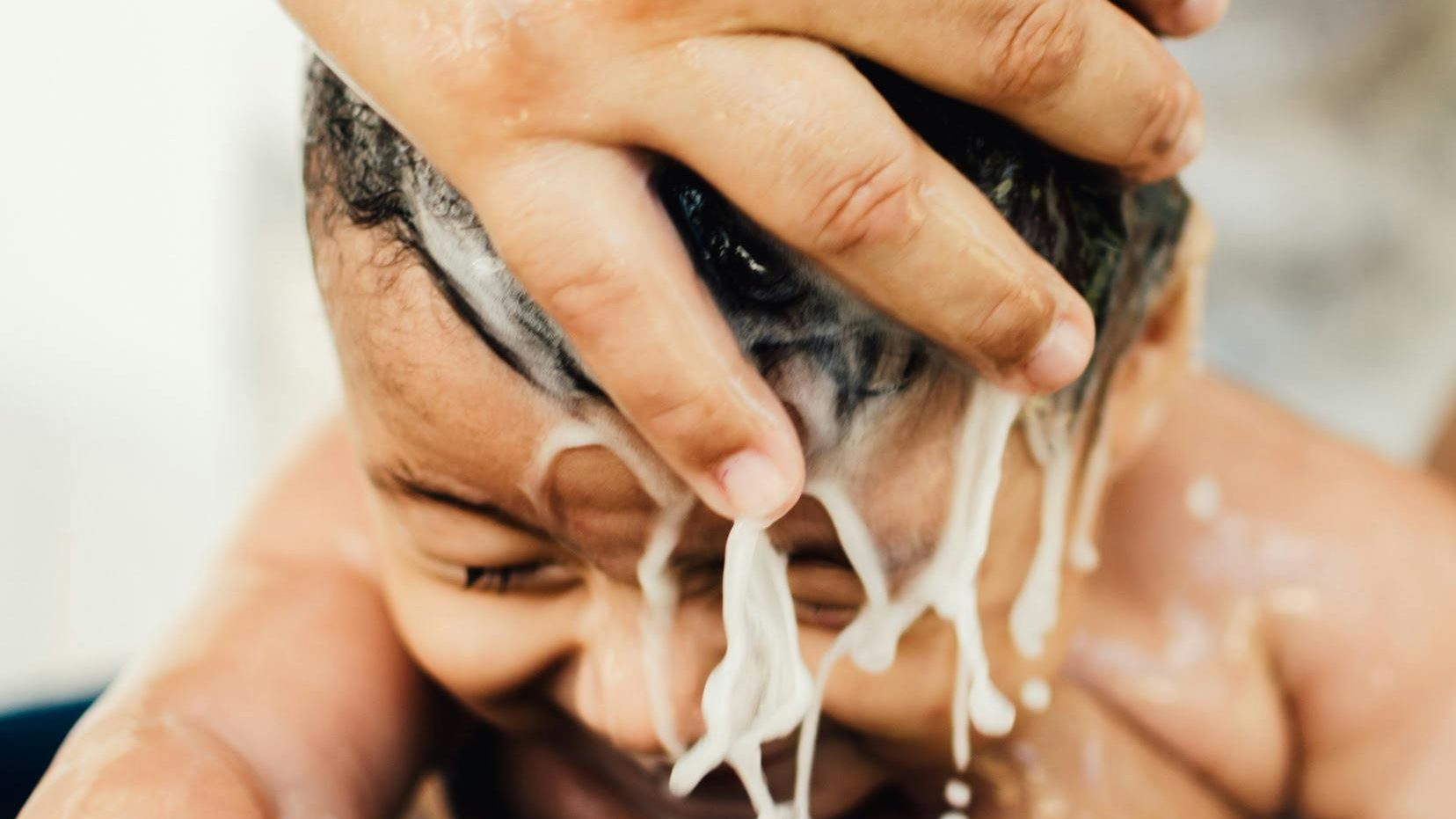
We worry constantly about what goes into our babies’ bodies. We read food labels meticulously. We sterilize pacifiers and bottles. We buy organic cotton clothing to protect their delicate skin. Yet, when bath time rolls around, we squeeze brightly colored liquids out of soft plastic bottles. We want to trust the cute cartoons and the soothing pastel labels.
The harsh reality is entirely different. The baby care industry has a massive plastic packaging problem. It also has a severe chemical formulation problem. When you combine the two, you get a toxic soup that sits right on your baby’s developing skin.
You do not have to accept this standard. Swapping out a plastic bottle for a solid bar or a reusable concentrate system is a massive step forward for both your child’s health and the planet. Finding a truly non toxic baby shampoo means looking beyond the marketing claims and understanding the chemistry of the packaging itself.
Let us look at the science behind the plastic, the reality of the chemicals, and the absolute best EWG-verified, non toxic baby shampoos on the market right now.
Our Top 5 Plastic-Free and Non Toxic Baby Shampoos
Quick Takeaways
If you are short on time between naps and diaper changes, here is a quick breakdown of the safest options available.
| Brand | Material | Best For | Pros | Cons |
| Babo Botanicals Sensitive Baby Bar | Solid Bar (Cardboard Box) | Best Overall | EWG Verified, rich plant butters, easy to hold | Can get mushy if left in standing water |
| ATTITUDE Baby Soap Bar | Solid Bar (Cardboard Box) | Cradle Cap | Dermatologically tested, fast lather | Cardboard box can warp in humid bathrooms |
| Dr. Bronner’s Pure-Castile Bar | Solid Bar (Recycled Paper) | Budget | Organic ingredients, affordable, extremely long-lasting | Alkaline formula stings eyes, requires careful rinsing |
| Mustela Organic Cleansing Bar | Solid Bar (Paper Box) | Sensitive Skin | Biodegradable, ergonomic shape, leaves hair very soft | Slightly higher price point for a basic bar |
| HealthyBaby Shampoo & Body Wash System | Liquid Concentrate (Stainless Steel Pump/ Glass Concentrate Bottle) | Investment | Pump-action familiarity, infinite recycling, probiotic formula | High upfront cost, requires initial mixing step |
Top 5 Non Toxic Baby Shampoos
Here are the details on the safest, most effective options we found for baby. No plastic. No harsh chemicals. Just incredibly clean ingredients that prioritize your child’s health.
1. Best Overall: Babo Botanicals Sensitive Baby Fragrance-Free Shampoo & Wash Bar
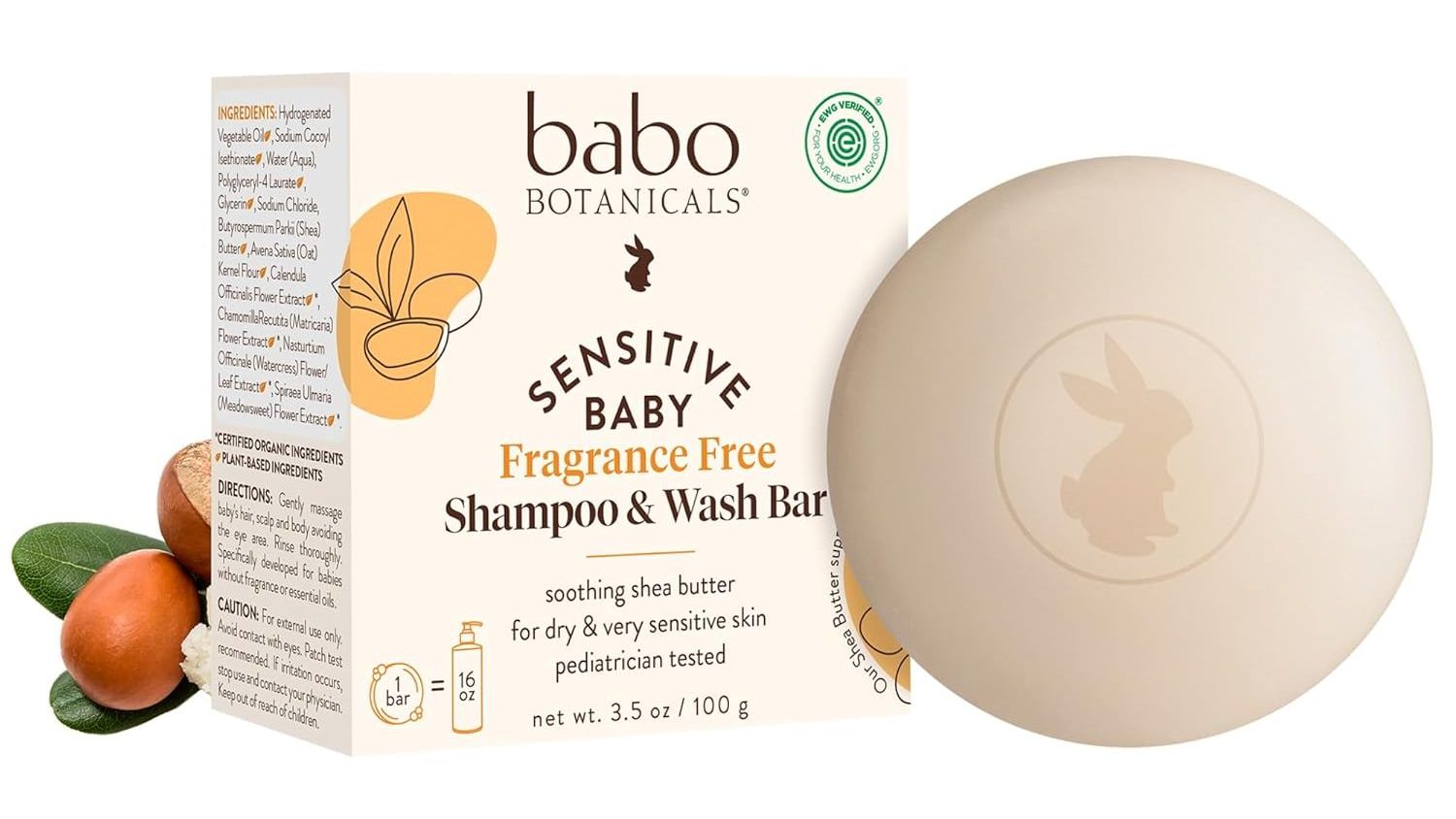
Babo Botanicals is a long-standing pioneer in the clean baby care space. Their intentional shift toward solid bars is a massive win for the zero-waste movement and safety-conscious parents alike.
This specific bar is entirely fragrance-free. Instead of masking odors with chemicals, it relies on a nutrient-rich, deeply soothing blend of oat kernel flour, calendula, and chamomile extract to calm sensitive infant skin. It lathers beautifully without ever relying on harsh synthetic surfactants.
The Science Check: Babo Botanicals smartly uses Sodium Cocoyl Isethionate as the primary cleansing agent here. This is an incredibly mild surfactant derived entirely from coconut oil. It has a remarkably low hazard rating on the EWG database and is scientifically proven to be exceptionally gentle on a compromised skin barrier.
Pros:
- Strictly EWG Verified for ultimate peace of mind.
- Extremely rich in organic plant butters for deep hydration.
- Designed to be easy to hold with one wet hand while supporting a slippery baby.
Cons:
- Like all natural bars, it can get mushy if left sitting in standing water.
2. Best for Cradle Cap: ATTITUDE Baby Plastic-Free Shampoo & Body Soap Bar
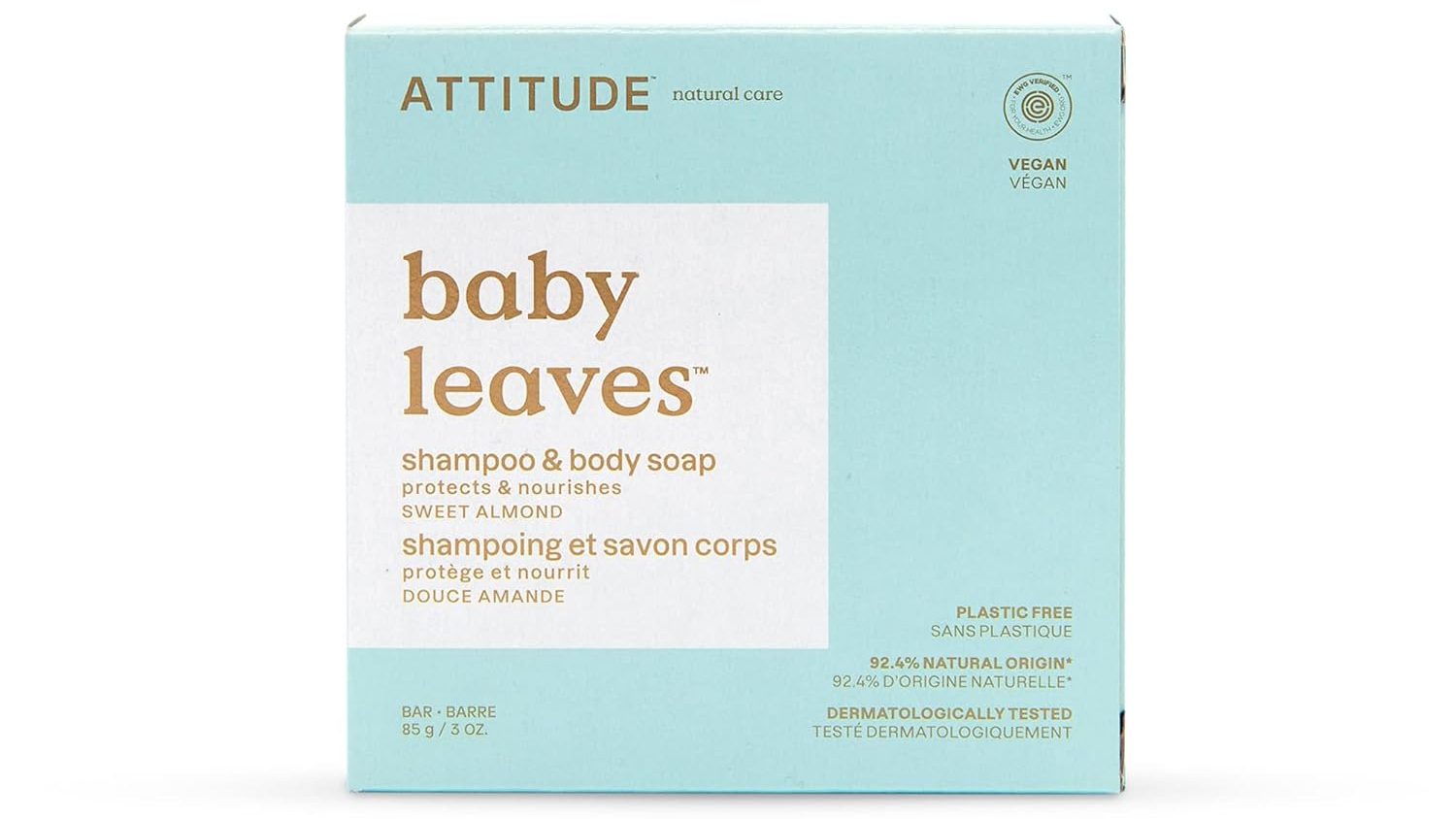
ATTITUDE has completely overhauled their manufacturing facilities to aggressively embrace solid, waterless formulas. This Canadian brand offers an unscented 2-in-1 baby shampoo and body soap bar that performs incredibly well for specific scalp conditions.
Formulated with over 93 percent naturally derived ingredients, this bar creatively utilizes blueberry leaf extract. Blueberry leaves are highly regarded for their robust protective and soothing properties. It also packs a heavy dose of almond oil and coconut oil to comfort dry patches and actively combat cradle cap at the source.
The Science Check: The brand prioritizes absolute transparency. Every single ingredient utilized is vetted and approved by the EWG. They rigorously avoid all concerning preservatives and known endocrine disruptors.
Pros:
- Dermatologically tested specifically for highly sensitive skin.
- Rich botanical oils provide deep hydration to help loosen cradle cap naturally.
- Lathers up very quickly, reducing bath time friction and fussing.
Cons:
- The entirely cardboard packaging can warp and get soggy in a humid bathroom environment.
- Higher initial price point.
3. The Budget Pick: Dr. Bronner’s Baby Unscented Pure-Castile Bar Soap
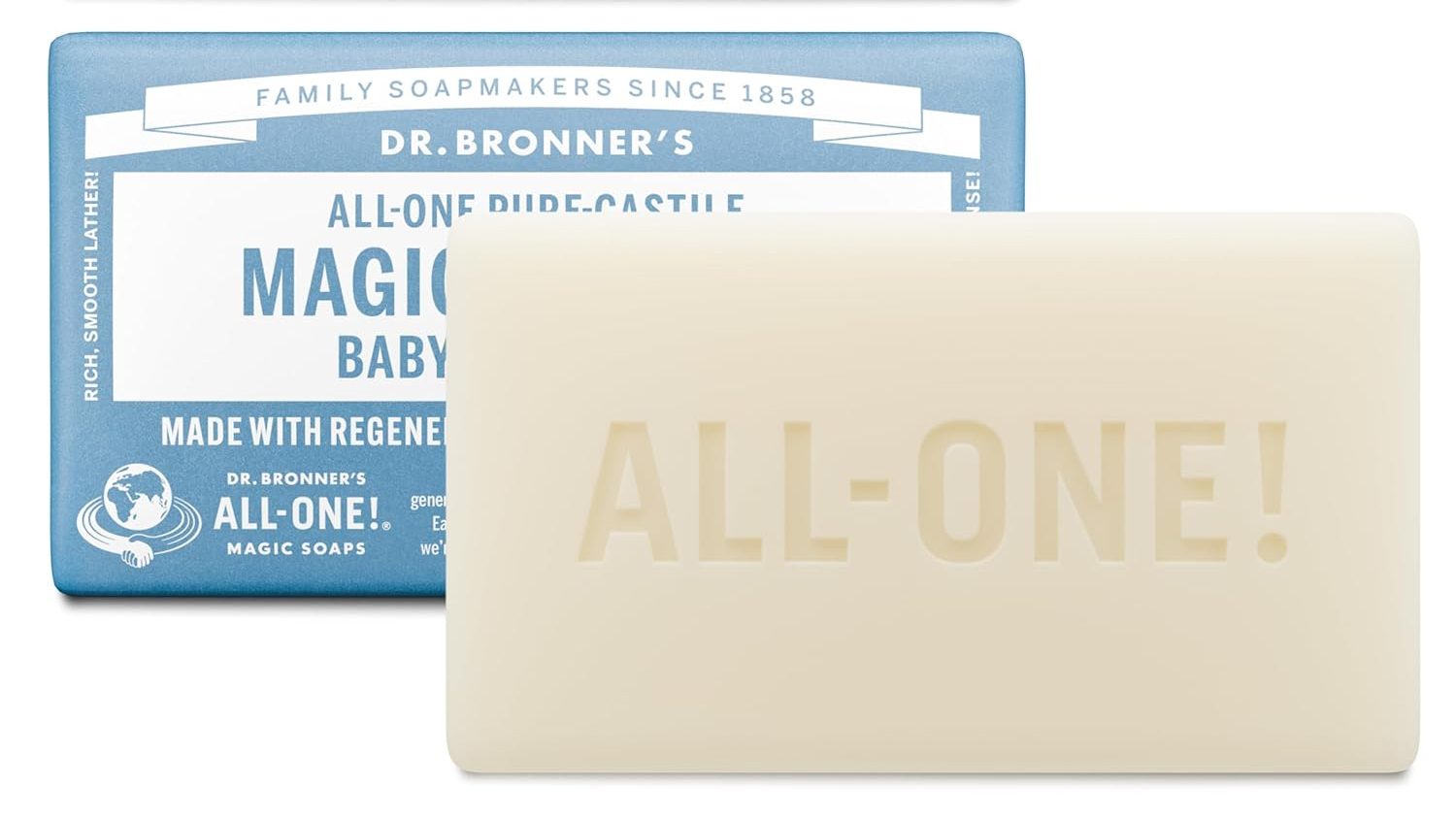
Sometimes the oldest, most traditional solutions are still the best ones available. Dr. Bronner’s has been making exceptional castile soap for decades. The Baby Unscented version is an absolute staple for any eco-conscious, low-waste parent.
True castile soap is made entirely from saponified plant oils. This specific baby-friendly bar uses organic coconut, olive, hemp, and jojoba oils. It contains absolutely no synthetic foaming agents whatsoever.
The Science Check: It is critically important to note that pure castile soap is naturally alkaline. It will absolutely sting if it gets directly into a baby’s eyes. You must be exceedingly careful during the rinsing phase. However, strictly from a chemical toxicity standpoint, it is incredibly clean, safe, and EWG Verified.
Pros:
- Packed with certified organic and fair trade sourced ingredients.
- Highly multi-purpose. You can use it for the baby, your own hair, or even to effectively hand-wash soiled cloth diapers.
- Offers an extremely affordable, accessible cost-per-wash.
- An incredibly dense, hard bar that genuinely lasts for months.
Cons:
- The highly alkaline formula stings eyes.
- Requires very careful, intentional rinsing techniques compared to standard shampoos.
4. Best for Sensitive Skin: Mustela Organic Shampoo & Body Cleansing Bar
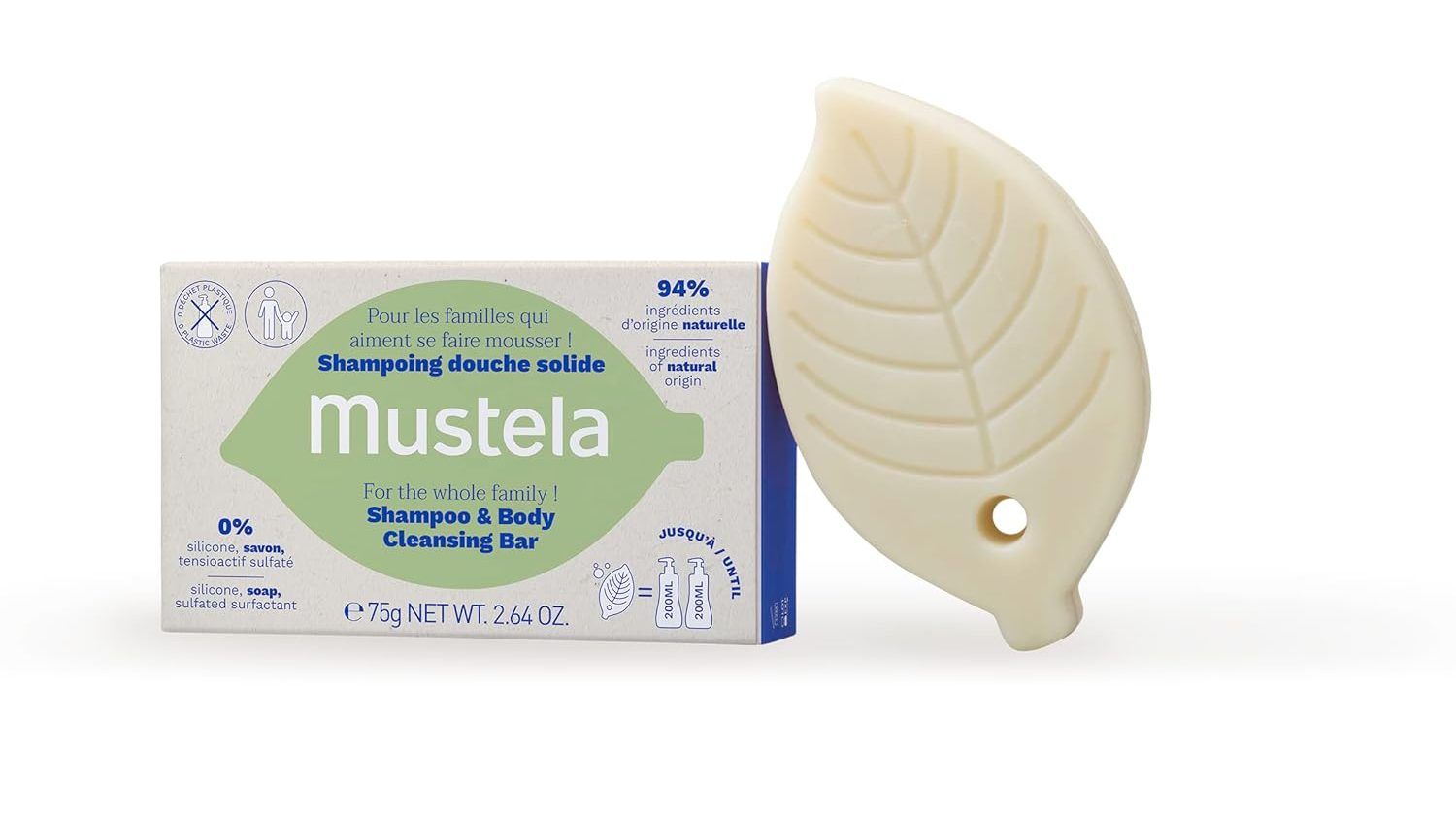
Mustela is a beloved, trusted staple in French pharmacies. They have recently pivoted hard toward genuine sustainability, earning a rigorous B-Corp certification and launching this stellar, zero-waste cleansing bar.
This solid shampoo is scientifically formulated specifically for the unique pH needs of babies and young children. It features organic olive oil and organic avocado oil to deeply nourish the skin. It cleanses gently without ever stripping the scalp’s delicate, natural lipid barrier.
The Science Check: Mustela purposefully uses a minimalist formula containing 94 percent ingredients of natural origin. It is completely fragrance-free and clinically verified to be safe for the delicate, developing infant microbiome.
Pros:
- A highly biodegradable formula that actively protects local waterways and aquatic life.
- The curved, ergonomic shape makes it very easy to handle in a slippery tub.
- Leaves delicate baby hair remarkably soft, shiny, and easy to comb out.
Cons:
- Slightly higher initial price point for a basic cleansing bar.
- The rich oils can make the bar itself feel quite slippery during use.
5. Best Investment: HealthyBaby Shampoo & Body Wash Concentrate
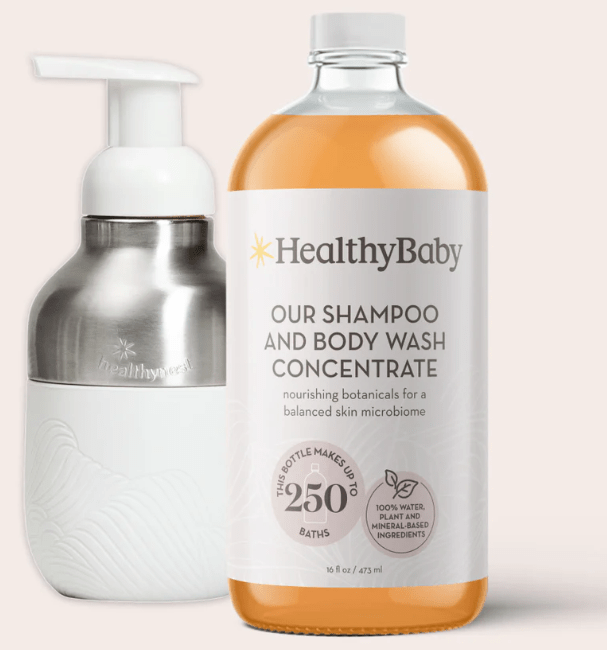
If you absolutely cannot get used to the idea of a solid bar, HealthyBaby offers the absolute perfect bridge product. They have meticulously developed a cutting-edge liquid concentrate system that effectively eliminates single-use plastic from the equation.
You purchase a durable, beautifully designed reusable stainless steel pump bottle. Then, you simply buy their highly concentrated shampoo formula packaged safely in a glass bottle. You pour the small amount of concentrate directly into the steel bottle, add regular water from your tap, and shake vigorously.
The Science Check: The formula is proudly EWG Verified and brilliantly enriched with active probiotics. These specific, targeted probiotics actively support the natural flora of your baby’s skin microbiome, providing an active, ongoing defense against eczema and topical irritation.
Pros:
- Maintains the highly familiar, convenient pump-action experience of traditional liquid shampoos.
- Stainless steel is infinitely recyclable and completely chemically inert, meaning absolutely zero chemical leaching.
- The advanced probiotic formula actively improves skin barrier health over time.
Cons:
- Requires a noticeably higher upfront financial investment to buy the starter kit.
- Demands an initial mixing step before you can use the product.
The Hidden Chemistry of Bath Time
To understand why plastic bottles are a health issue, you need a quick primer on polymer science.
Plastics are made of long chains of molecules called polymers. To make these rigid, brittle chains soft enough to squeeze with one hand, manufacturers add chemical plasticizers. The most common plasticizers used globally are phthalates.
Here is the structural flaw in that design. Phthalates do not form strong, permanent chemical bonds with the polymer chains. They essentially just float between the rigid links to loosen them up. Because they are not securely locked in place, they leach out over time. They migrate out of the plastic and into the surrounding environment. In this specific case, the surrounding environment is your baby’s liquid shampoo.
Heat Accelerates the Problem
Think about exactly where you keep your baby shampoo. It likely sits on the edge of the tub or in a shower caddy. The bathroom fills with steam. The bottle gets warm.
Basic physics dictates that heat accelerates molecular movement. When the plastic bottle gets warm during a bath, the polymer chains expand slightly. This expansion makes it significantly easier for unbonded chemicals, phthalates, and even microplastics to shed directly into the soap you are about to rub into your baby’s scalp.
An infant’s skin is roughly 20 to 30 percent thinner than adult skin. The stratum corneum, which is the outermost protective layer, is far less dense. This means their skin is highly permeable. What goes onto a baby’s skin enters their bloodstream with alarming, rapid efficiency.
Phthalates are known endocrine-disrupting chemicals. They interfere with hormonal systems, development, and reproductive health. We absolutely should not be massaging them into a baby’s head under the guise of getting them clean. A non toxic baby shampoo must be free of these hidden leaching hazards.
The Greenwashing of Eco-Friendly Shampoo Bottles
You might be reading this and thinking you are safe. Perhaps you buy a premium brand that heavily advertises its use of plant-based plastic or highly recyclable HDPE bottles.
Do not fall for the clever marketing.
Brands absolutely love to boast about using bioplastics made from renewable sugarcane. This sounds beautiful to an eco-conscious parent. It sounds like the bottle will magically dissolve back into the earth like an apple core once you throw it away. It will not.
Sugarcane polyethylene is chemically identical to petroleum-based polyethylene. The origin of the carbon is different, but the final molecular structure is exactly the same. It will sit in a landfill for 400 years just like standard plastic.
What about recycling? The recycling fallacy is one of the most successful, wide-reaching public relations campaigns in corporate history. Only about 5 to 6 percent of all plastic in the United States actually gets successfully recycled into new products. The vast majority is incinerated, shipped overseas, or sent to rot in landfills.
Even when a plastic baby shampoo bottle manages to get recycled, it is almost always downcycled into lower-grade materials like park benches or synthetic carpeting. It is virtually never turned back into a clean, safe shampoo bottle.
True sustainability and authentic safety require eliminating the plastic entirely.
Decoding Labels: Why EWG Verification Matters
Terms like natural, gentle, and earth-friendly are entirely unregulated marketing buzzwords. Any company with a printer can put them on a label legally.
This total lack of regulation is exactly why we rely heavily on the Environmental Working Group (EWG). The EWG is a fiercely independent non-profit organization that maintains a massive, searchable database of cosmetic and personal care ingredients based on current scientific literature.
When a product is proudly EWG Verified, it means the entire formulation has been rigorously reviewed by independent toxicologists and chemists. It guarantees the product is free from hidden hazards, including:
- Sulfates (SLS/SLES): Harsh industrial detergents that strip natural oils, irritate the skin barrier, and cause long-term dryness.
- Parabens: Synthetic chemical preservatives heavily linked to severe hormone disruption.
- Synthetic Fragrances: A massive legal loophole term that can hide hundreds of undisclosed chemicals, often including the very phthalates we want to avoid.
- Formaldehyde Releasers: Preservatives that slowly, continuously release known carcinogens into the product to extend shelf life.
Finding a non toxic baby shampoo requires strict adherence to these standards. We cross-referenced the EWG database with brands totally committed to zero-waste packaging. The resulting list represents the absolute gold standard in non toxic, plastic-free baby care.
How to Transition to Bar Soaps for Babies
Ditching the convenient plastic pump bottle requires a slight, but meaningful, behavior change. Here is exactly how to make the transition to a non toxic baby shampoo bar entirely seamless.
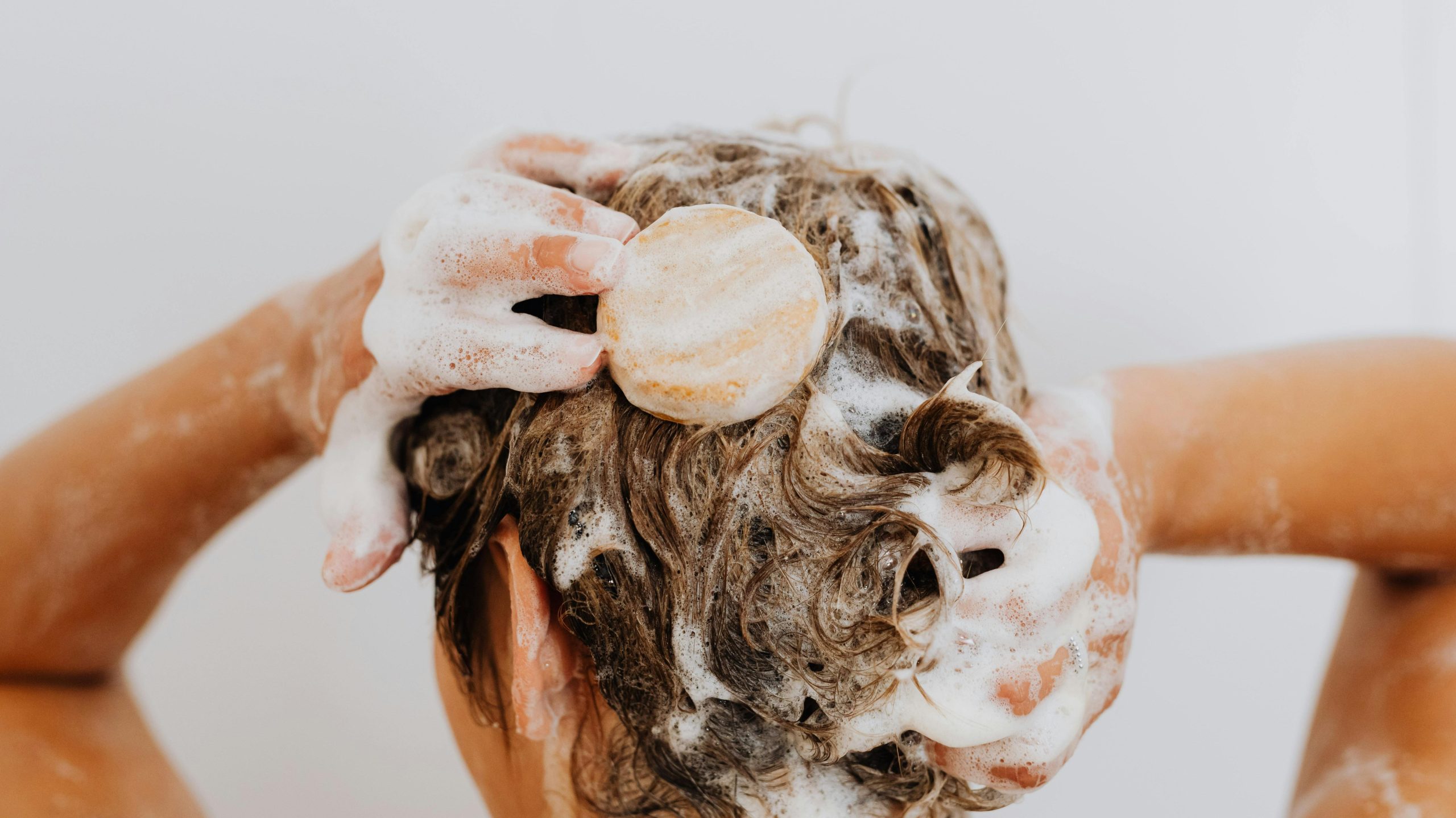
Lather First, Apply Second. Do not take the hard bar and rub it directly onto your baby’s head. Infants have incredibly fine, delicate hair that can tangle and knot easily. Instead, rub the bar vigorously between your own wet hands to build a thick, creamy lather. Then, gently massage only that soft lather into their scalp.
Proper Storage is Everything. Solid shampoo bars are formulated without the chemical hardeners found in commercial soaps. They will quickly melt into a useless puddle if left sitting in standing water. You absolutely must keep them dry between uses. Invest heavily in a slatted bamboo soap dish or a magnetic soap holder that attaches securely to your shower wall out of the direct water stream.
Embrace the Adjustment Period. If you are actively switching from conventional, plastic-bottled shampoos heavily loaded with synthetic silicones, your baby’s hair might feel slightly different or even slightly waxy for the first few washes. Do not panic. This is completely normal. The hair is simply going through a brief detox period, adjusting to the sudden lack of synthetic chemical coating agents. It will normalize quickly.
By actively choosing a non toxic baby shampoo that skips the plastic packaging, you are taking a remarkably powerful stance as a parent. You are flatly refusing to expose your vulnerable child to unnecessary, unstudied chemicals. You are refusing to blindly contribute to the escalating global plastic crisis. You are choosing actionable progress.
10 Frequently Asked Questions About Non Toxic Baby Shampoos
1. What does EWG Verified actually mean for a non toxic baby shampoo?
EWG Verified means the Environmental Working Group, an independent watch-dog, has deeply reviewed the shampoo’s exact formulation and confirmed it contains absolutely no ingredients from their massive unacceptable list. It practically guarantees full ingredient transparency and scientifically proves the product is free of known endocrine disruptors, suspected carcinogens, and severe chemical allergens.
2. Are plastic bottles really leaching chemicals into baby soap?
Yes, the science is clear. Liquid baby shampoos are frequently packaged in soft, squeezable plastics containing chemical plasticizers called phthalates. Because phthalates do not form covalent bonds to the plastic’s internal structure, they can slowly and continuously migrate out of the packaging and directly into the liquid, especially when the bottle is exposed to the ambient heat of a steamy bathroom.
3. Is a commercial tear-free baby shampoo actually safer?
Not necessarily. Many conventional tear-free shampoos achieve this highly marketable effect by using synthetic, mild numbing agents or by drastically altering the pH level of the soap to perfectly match the human eye. Some of these specific chemical additives can actually be quite harsh on the skin barrier over time. A naturally formulated, genuinely non toxic baby shampoo might sting slightly if it gets directly in the eyes, but it is vastly safer for your baby’s overall systemic health.
4. Can I just use my regular bar soap on my baby’s hair?
No. Standard adult bar soaps are very often highly alkaline and contain heavy, synthetic fragrances that will immediately irritate an infant’s highly sensitive skin and respiratory system. You should only ever use bar soaps specifically formulated and pH-balanced for babies, or EWG Verified pure castile soaps that are completely unscented and thoroughly diluted.
5. How long does a solid non toxic baby shampoo bar typically last?
A solid shampoo bar is an incredibly highly concentrated product precisely because all the heavy water weight has been removed from the formula. Depending on your frequency of use and proper, dry storage habits, a single solid bar can easily outlast two to three traditional plastic pump bottles of standard liquid baby shampoo.
6. Are bioplastic baby bottles a safe alternative for the environment?
No, they are a marketing illusion. Bioplastics manufactured from renewable sugarcane or corn are chemically identical on a molecular level to traditional petroleum plastics. They do not naturally biodegrade in nature or in standard home compost bins. They strictly require specialized, high-heat industrial composting facilities, which are incredibly rare to access. They almost always end up in traditional landfills where they behave exactly like standard plastics for centuries.
7. What exactly are sulfates and why should I avoid them in baby wash?
Sulfates, commonly listed as SLS and SLES on ingredient panels, are incredibly inexpensive industrial detergents utilized to create a massive, thick foam. While they are very effective at removing industrial grease and dirt, they are far too harsh for a baby’s delicate epidermis. They aggressively strip the natural lipid barrier from the skin, leading directly to chronic dryness, immediate irritation, and severely exacerbating conditions like eczema.
8. Is heavy glass packaging a safe alternative for the baby bath?
While glass is an excellent material ecologically because it is totally chemically inert and infinitely recyclable without quality loss, it presents a severe, immediate physical hazard in a slippery, wet bathroom environment. If dropped by wet hands, shattered glass is incredibly dangerous around a bare, moving infant. Durable stainless steel or solid shampoo bars are vastly safer zero-waste options for this specific room in the house.
9. How do I properly store a non toxic baby shampoo bar to prevent it from dissolving?
Solid natural bars must absolutely be kept out of the direct, constant stream of water. You should firmly store the bar on a highly well-draining soap dish, such as slatted natural wood, so dry air can actively circulate underneath the product. Allow it to dry completely and harden between individual baths.
10. Do plastic-free, non toxic baby shampoos help treat cradle cap?
Yes, frequently. Many zero-waste, non toxic baby shampoos are expertly formulated with incredibly rich, natural botanicals like sweet almond oil, virgin coconut oil, raw shea butter, and blueberry leaf extract. These dense, natural oils provide vastly superior moisturization compared to watered-down, chemically heavy liquid shampoos. This deep hydration can gently soften, naturally soothe, and eventually help lift the dry, flaky skin directly associated with common cradle cap. After the bath, a balm or a lotion that’s actually safe for newborn skin locks that moisture in.

This article contains affiliate links. As an Amazon Associate, Plastic Free Everything earns from qualifying purchases at no extra cost to you.