What Is BPA and Why Should You Care? The Complete Consumer’s Guide
You check the bottom of your new water bottle, spot the bright green “BPA-Free” sticker, and breathe a sigh of relief. But what if that comforting little sticker is actually more of a marketing trick than a medical guarantee?
Most of us start our plastic-free journey with the trusty reusable bottle. That is a massive win. But if you are genuinely asking the internet if your kitchen gear is safe, the answer requires looking past the beverage aisle. Bisphenol A is a sneaky shape-shifter. It hides in places you touch and taste every single day.
Let us break down exactly what this chemical is doing, why the recycling symbol on the bottom of your container matters, and how to gently boot these toxins out of your home. No panic. Just practical steps.
Core Entity Definition: What Is BPA Exactly?
To understand how to avoid it, we first need to understand the chemistry. What is BPA, from a scientific standpoint?
Bisphenol A (BPA) is an industrial chemical that has been used since the 1950s to manufacture certain plastics and resins. Specifically, it is the foundational building block for polycarbonate plastics. These are the hard, shatterproof plastics traditionally used in water bottles, food storage containers, and safety glasses. It is also used to make epoxy resins, which are spread as a protective lining inside metal food cans to prevent the metal from corroding and spoiling the food.
The problem is not just that BPA exists. The problem is that the chemical bonds in polycarbonate plastic are not entirely stable. When exposed to heat, acidic foods, or harsh detergents, these chemical bonds break down. The BPA molecules detach from the plastic structure and migrate directly into the food or water resting against them. You cannot taste it or see it. But it is there.
The Biological Mechanism: Why Is BPA Harmful?
The scientific community classifies BPA as an endocrine disruptor. Your endocrine system is the delicate command center of your body. It relies on hormones to send messages regulating everything from your metabolism and sleep cycles to your reproductive system and mood.
BPA is a chemical imposter. The physical shape of a BPA molecule is astonishingly similar to the shape of estrogen. When BPA enters your bloodstream, your cells mistake it for the real hormone. The chemical fits right into your cellular estrogen receptors like a copied key sliding into a lock.
Once inside, it sends false signals to your body. Studies published by the Endocrine Society have linked this chronic low-dose exposure to a staggering list of health complications. We are talking about fertility issues, metabolic disorders, increased risk of breast and prostate cancers, and neurological effects in developing fetuses. The Centers for Disease Control and Prevention (CDC) routinely finds detectable levels of BPA in over 90 percent of Americans tested.
The Greenwashing Trap: Is BPA-Free Plastic Safe?
As consumer awareness grew, public outrage forced manufacturers to abandon BPA in products like baby bottles and sippy cups. The bright green “BPA-Free” label was born. You see it plastered on everything from blenders to lunchboxes.
So, is BPA-Free plastic safe once it has that label? The investigative truth is a resounding no.
Welcome to the dirty little industry secret known as regrettable substitution. When a chemical is banned or rejected by consumers, manufacturers still need a cheap way to make hard, clear plastic. Instead of inventing a truly safe alternative, they simply tweak the chemical formula slightly. They swap Bisphenol A for Bisphenol S (BPS) or Bisphenol F (BPF).
Because these chemical cousins are technically not BPA, the brand gets to slap a “BPA-Free” sticker on the box. However, independent polymer research shows that BPS and BPF behave the exact same way in our bodies. They are still endocrine disruptors. They still mimic estrogen. In some studies, BPS has been shown to be even more persistent in the environment than the original chemical.
When you buy a “BPA-Free” plastic item, you are often trading one known toxin for an under-researched identical twin.
Beyond the Bottle: Three Sneaky Sources of Daily Exposure
We know to avoid plastic water bottles. But the real progress happens when we address the hidden sources of synthetic chemicals in our daily routines. Here are three unexpected places endocrine disruptors hide, along with realistic ways to swap them out.
Sneaky Source 1: The Thermal Store Receipt
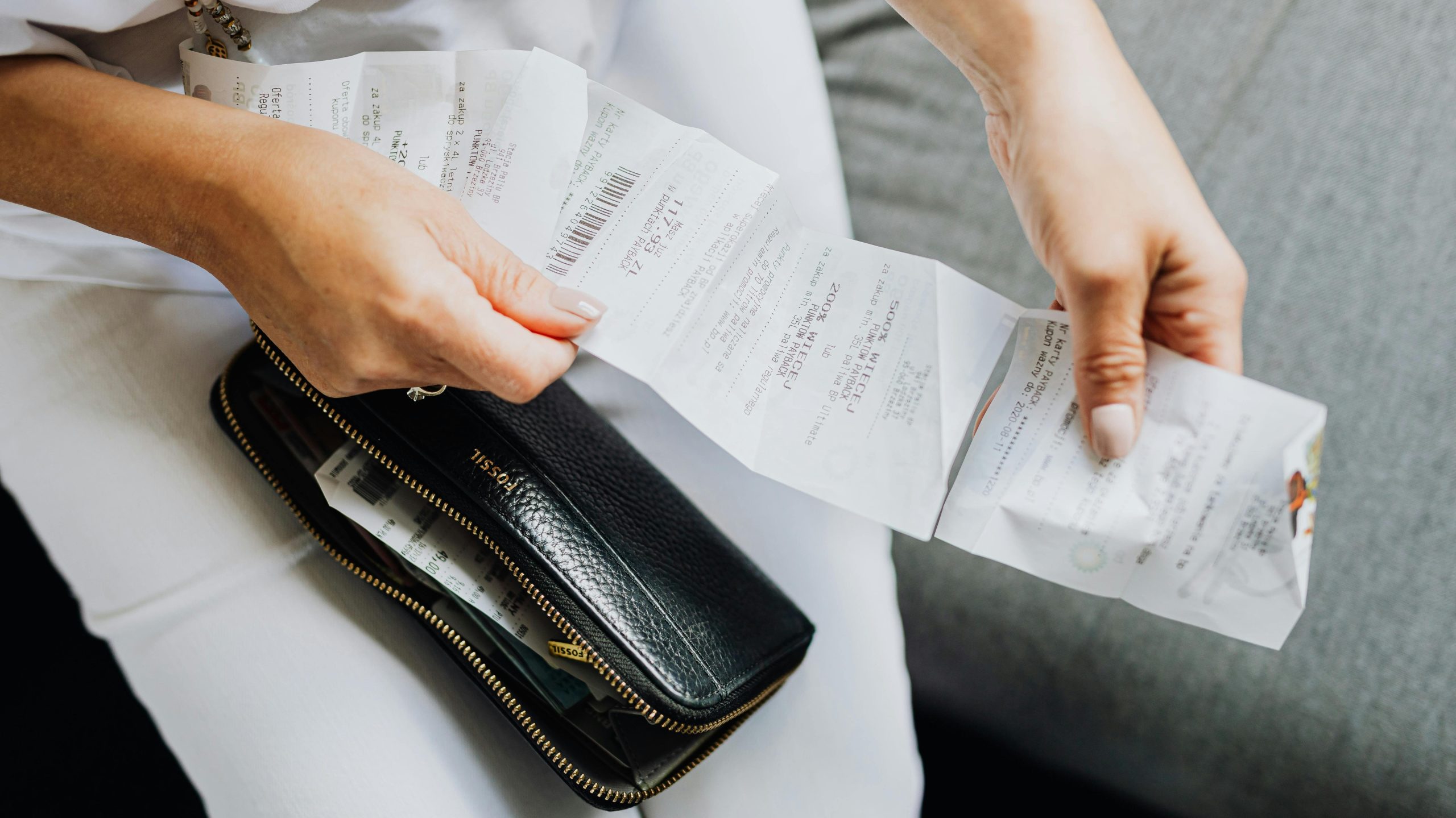
You grab your morning coffee and the barista hands you a receipt. You cram it into your wallet. That innocent piece of paper is likely a massive source of chemical exposure.
Most modern receipts do not use ink. They use thermal paper. The paper is coated with a powdery layer of BPA or BPS. When the printer applies heat, the chemical reacts and turns black to form the text. Because this chemical is applied as a loose powder rather than bound into a hard plastic, it easily rubs off onto your fingers.
The situation gets worse. If you use hand sanitizer or hand lotion before touching a receipt, the dermal absorption rate skyrockets. The alcohol in the sanitizer acts as a penetration enhancer, carrying the hormone disruptors directly through your skin and into your bloodstream in seconds.
How to make the swap:
- Budget: Refuse the receipt. Simply tell the cashier you do not need it, or ask them to email it to you. If you must handle one, wash your hands with plain soap and water afterward.
- Best Overall: Transition to a digital budgeting app that syncs automatically with your bank. This eliminates the need to collect paper receipts for your records completely.
- Investment: If you run a small business and must print receipts, invest in phenol-free thermal paper rolls for your point-of-sale system to protect your employees and customers.
Sneaky Source 2: Canned Soups and Tomatoes
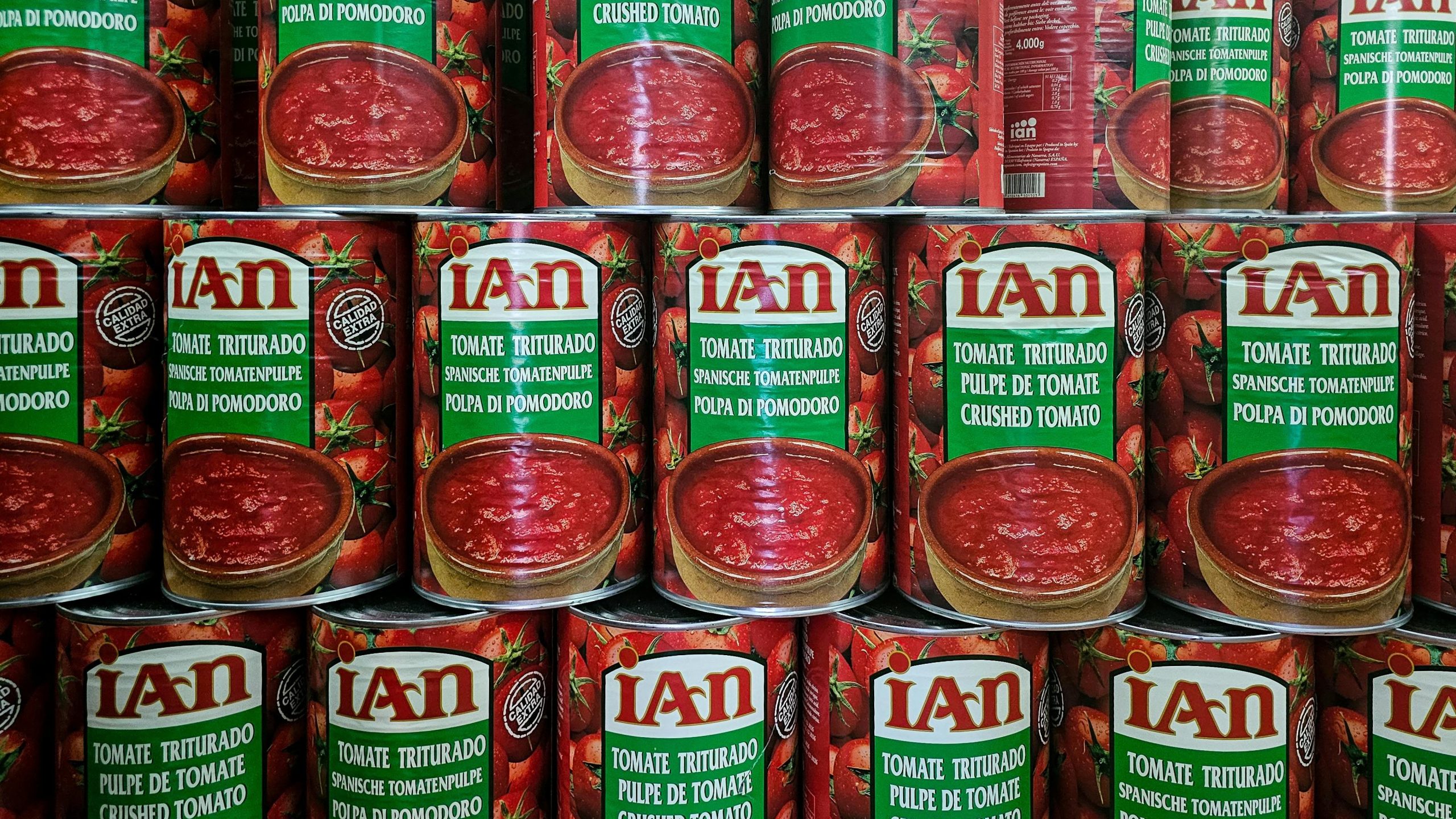
Canned food is incredibly convenient and budget-friendly. The problem lies in the protective epoxy resin lining the inside of the aluminum can. Historically, this resin was almost entirely derived from BPA.
While many brands have quietly shifted away from BPA due to public pressure, they often rely on those regrettable BPS or BPF substitutes. The leaching process accelerates drastically when the food inside is highly acidic. Canned tomatoes, citrus fruits, and heavily preserved soups actively strip the chemical lining off the can wall and absorb it into the food matrix.
How to make the swap:
- Budget: Switch to dried beans and lentils. They are radically cheaper than canned versions, naturally package-free if bought in bulk, and entirely free of epoxy resins.
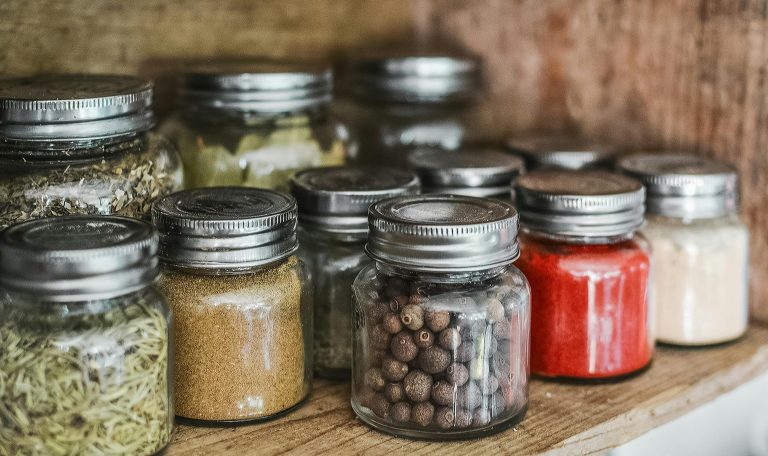
- Best Overall: Look for tomatoes and sauces sold in glass jars. Brands like Jovial package their organic tomatoes in glass, eliminating the metal and resin equation entirely. You can endlessly upcycle the jars for your own pantry storage.
- Investment: Purchase a high-quality electric pressure cooker. This tool turns rock-hard dried beans into perfectly tender, ready-to-eat meals in under an hour, making the transition away from canned convenience foods utterly painless.
Sneaky Source 3: Your Morning Coffee Maker
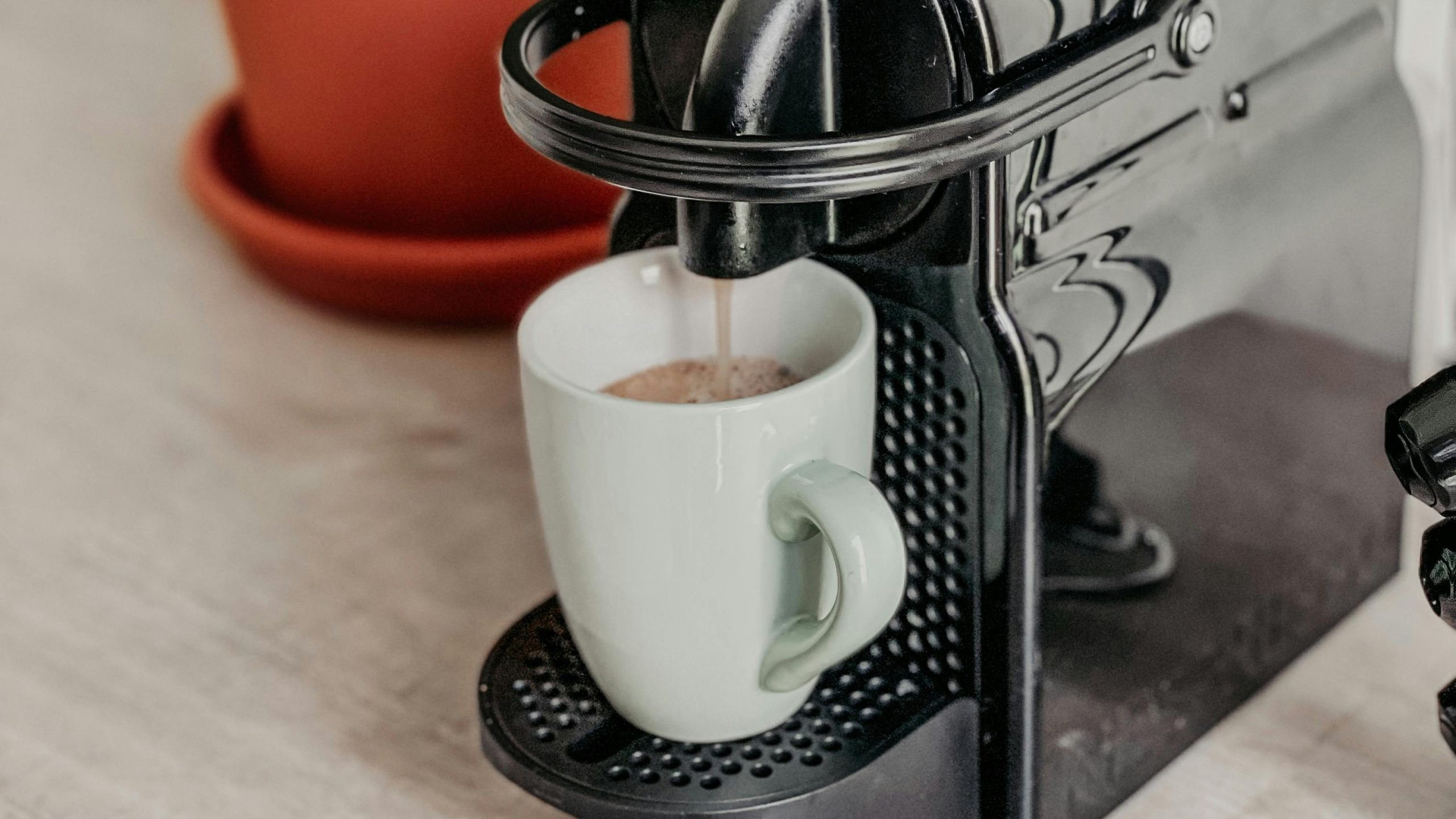
This is the one that breaks people’s hearts. You buy premium organic, fair-trade coffee beans. You grind them fresh. Then you dump them into a machine made entirely of cheap plastic.
Think about the mechanics of a standard drip coffee maker or a pod machine. Boiling hot water sits in a plastic reservoir. It is then forced through narrow plastic tubing. Finally, it drips through a plastic filter basket. We already established that heat is the primary trigger for plastic leaching. Brewing coffee is a masterclass in chemical extraction. Every cup brewed through hot plastic tubing will carry a trace amount of synthetic polymers.
How to make the swap:
- Budget: A stainless steel pour-over cone. Paired with unbleached paper filters, this offers a clean, bright cup of coffee with zero risk of chemical migration.
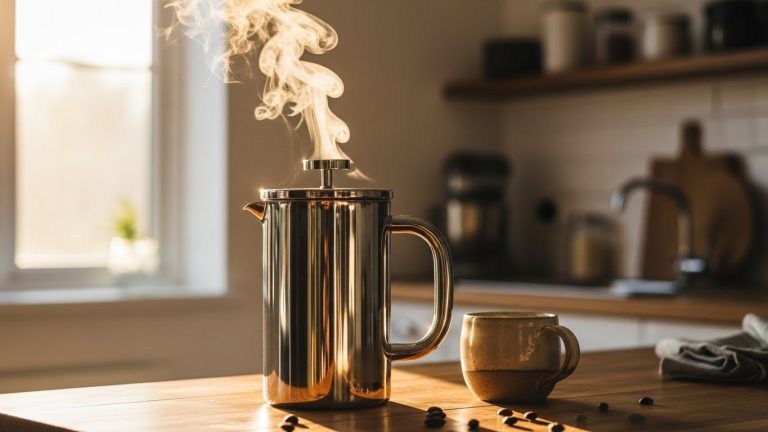
- Best Overall: The classic French press. You can easily get an entirely stainless steel brewing system. It makes a superior cup of coffee without a single drop of hot water ever touching plastic.
- Investment: An Italian-style stainless steel espresso machine with a brass or copper boiler. These machines completely eliminate internal plastic tubing and will last a lifetime on your counter.
How to Detox Your Kitchen Without Losing Your Mind
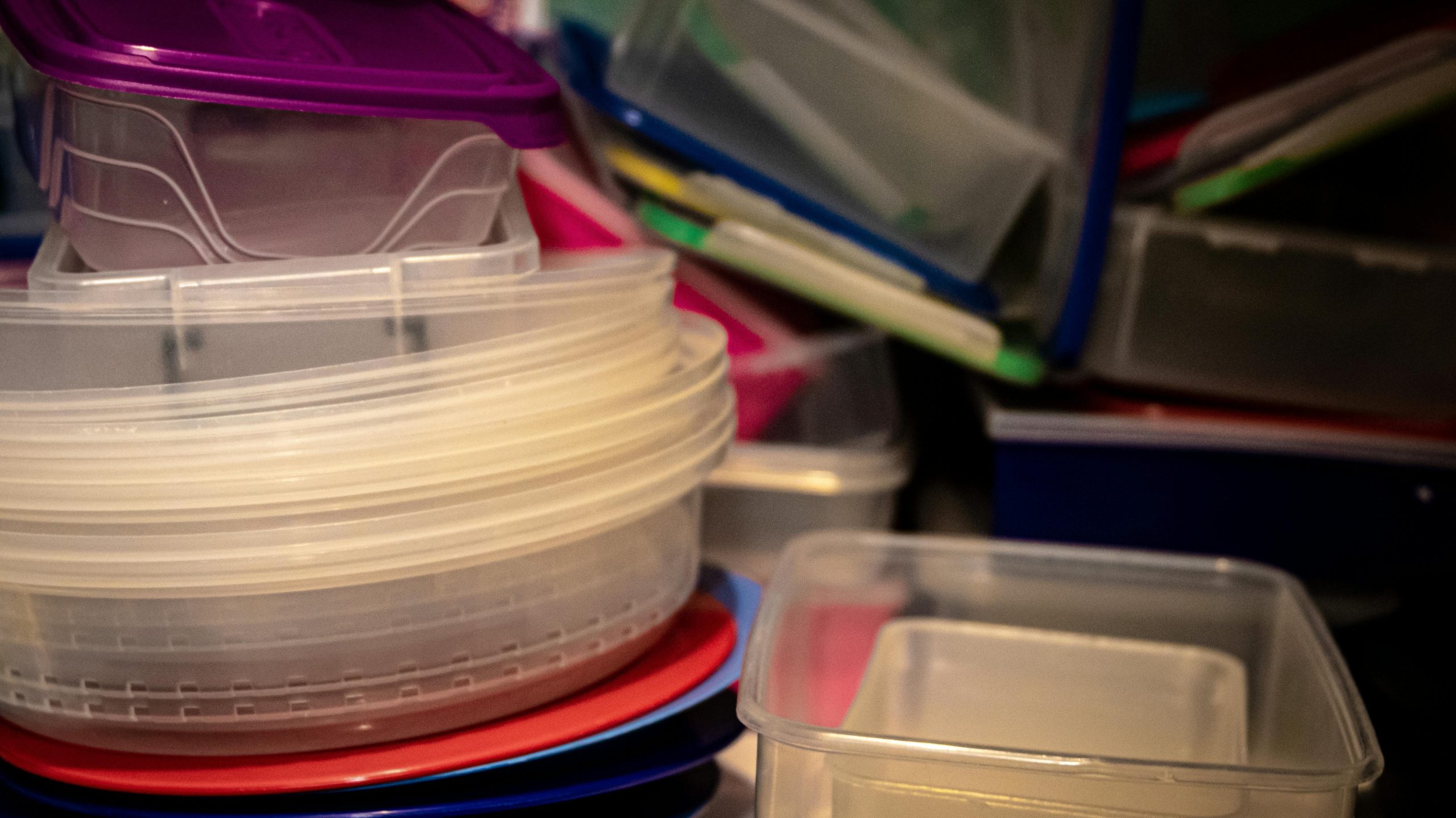
Going plastic-free is a marathon. If you sprint, you will burn out. Do not march into your kitchen with a trash bag and throw away every piece of plastic you own. That creates unnecessary landfill waste and overwhelming financial stress. Instead, adopt a system of strategic replacement.
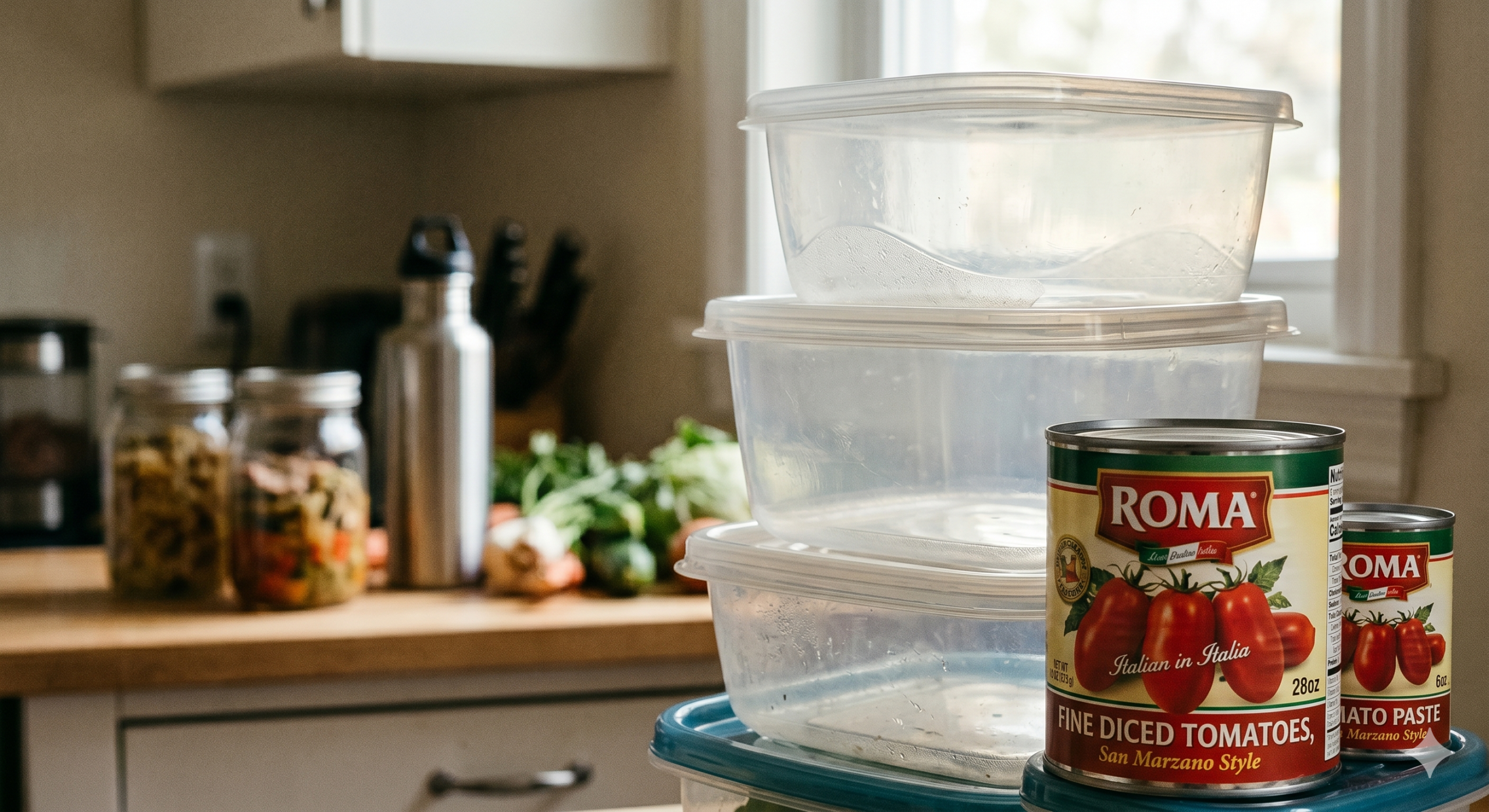
First, audit your food storage. The most dangerous items in your kitchen are the plastic containers you use to reheat leftovers. Microwaving food in plastic is the ultimate exposure event. The heat excites the molecules, and the fats in your food readily absorb the leaching chemicals.
When your current plastic containers stain, warp, or lose their lids, do not buy more plastic. Upgrade your materials gradually.
- Budget: Save your empty pasta sauce and pickle jars. Wash them out and use them to store leftover soups, grains, and chopped vegetables in the fridge. Free, sustainable, and perfectly non-toxic.
- Best Overall: Tempered glass containers with glass lids and silicone seal. They have glass bases that are perfectly safe for the microwave and oven.
- Investment: Premium stainless steel bento boxes for lunches on the go. They are lightweight, completely unbreakable, and will never absorb smells or stains.
Next, look at your cooking utensils. A plastic spatula resting in a hot frying pan is silently melting microscopic layers of polymer into your scrambled eggs. Swap your black plastic cooking spoons and spatulas for solid wood, bamboo, or food-grade silicone.
The Bottom Line on Plastic Safety
The reality of modern manufacturing is frustrating. We cannot regulate every chemical that enters the supply chain. But we can absolutely control what crosses the threshold of our own homes.
Understanding the science behind endocrine disruptors is not about fueling anxiety. It is about building agency. Once you know that the “BPA-Free” label is largely a marketing illusion, you are no longer at the mercy of greenwashed advertising. You know what to look for. You understand that glass, stainless steel, cast iron, and wood are always superior choices for anything touching your food or body.
Protecting your family does not require a pristine, Pinterest-perfect zero-waste home. It just requires a few intentional choices every week. Choose the glass jar. Pass on the receipt. Brew your coffee in metal. Every single swap is a victory for your health.
Frequently Asked Questions
1. What is BPA and why is it harmful? Bisphenol A (BPA) is an industrial chemical used to make hard, clear polycarbonate plastics and epoxy resins. It is harmful because it is an endocrine disruptor. The chemical mimics the hormone estrogen in the human body, which can interfere with reproduction, brain development, and metabolism.
2. Is BPA plastic safe if it is never heated? While heating plastic drastically increases the rate of chemical leaching, room temperature plastics can still leach small amounts of BPA over time. Scratches, exposure to acidic foods, and contact with harsh dish detergents can also cause the chemical bonds to break down even without extreme heat.
3. What does the BPA-Free label actually mean? The BPA-Free label legally means the product was manufactured without Bisphenol A. However, it does not mean the product is free of toxins. Manufacturers frequently substitute BPA with closely related chemicals like BPS or BPF, which carry the exact same health risks and endocrine-disrupting properties.
4. How do I know if my water bottle has BPA? Hard, clear plastics marked with the recycling code number 7 often contain BPA or its substitutes. Plastics marked with codes 1, 2, 4, and 5 are generally manufactured without bisphenols. However, the safest approach is to avoid plastic water bottles entirely and use stainless steel or glass.
5. Can you absorb BPA through your skin? Yes. Thermal paper receipts are coated in a powdery layer of BPA or BPS that easily rubs off onto human skin. The absorption rate increases significantly if you handle receipts immediately after applying hand sanitizer or greasy lotions.
6. Why is BPA used in canned food? BPA-based epoxy resins are sprayed inside metal food cans to act as a barrier between the metal and the food. This prevents the can from rusting and extends the shelf life of the product. Acidic foods like tomatoes are more likely to absorb this chemical lining.
7. Does washing plastic in the dishwasher release BPA? Yes. The combination of scalding hot water and highly abrasive alkaline dish detergents accelerates the breakdown of the plastic matrix. This causes the plastic to release higher levels of bisphenols and microplastics into the environment and onto your dishes.
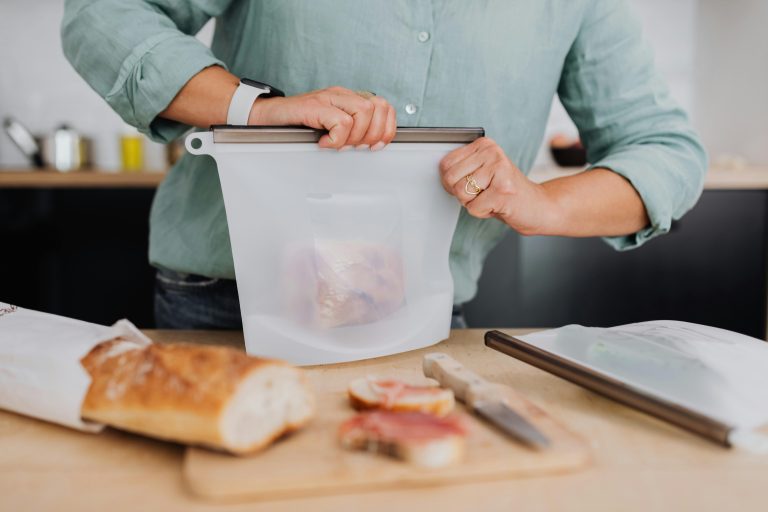
8. What are the safest alternatives to BPA plastics for food storage? The safest, non-toxic alternatives for food storage are tempered glass containers, high-grade stainless steel bento boxes, and food-grade silicone bags. For short-term storage, upcycled glass jars from store-bought sauces work perfectly and cost nothing.
9. Does my coffee maker release BPA into my coffee? If your coffee maker utilizes plastic water reservoirs or internal plastic tubing, it is likely leaching synthetic chemicals into your drink. Hot water forces the chemical bonds in the plastic to degrade quickly. Using a glass French press or stainless steel pour-over eliminates this risk.
10. How can I detox my body from BPA exposure? The human body metabolizes and excretes BPA relatively quickly. The most effective way to detox is simply to stop the ongoing daily exposure. Switching to fresh, unpackaged foods, avoiding canned goods, drinking from glass or metal, and refusing paper receipts will drastically lower your body’s chemical burden within just a few days.

This article contains affiliate links. As an Amazon Associate, Plastic Free Everything earns from qualifying purchases at no extra cost to you.