50 Practical Ways to Reduce Waste at Home (That Actually Make a Difference)
You do not need to cram a year’s worth of trash into a single mason jar to protect your endocrine system.
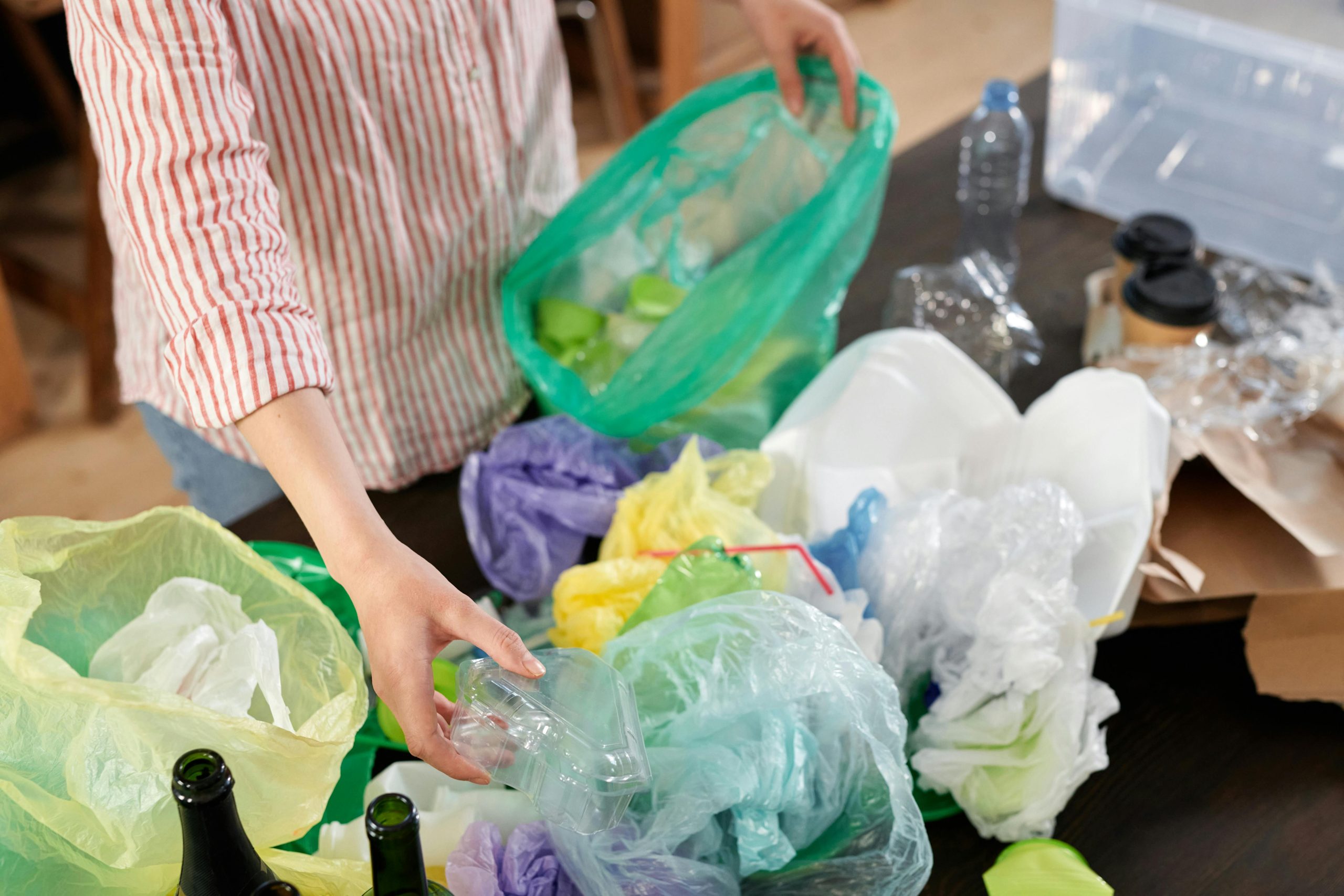
When you start looking into how to reduce waste at home, the advice is usually exhausting. Make your own toothpaste. Hand-wash everything. Never buy a packaged snack again. It is a guaranteed recipe for burnout. The truth is much simpler. We are facing a systemic failure. Recent EPA data shows the US plastic recycling rate hovers around a dismal 5 to 6 percent. That little chasing arrows symbol on the bottom of your takeout container is a comforting illusion.
This guide is not about guilt. It is about progress over perfection.
We are going to tackle this through a return on effort matrix. We will prioritize high-impact, low-effort changes that drastically reduce your household footprint. More importantly, we are going to look at this through the lens of a microplastic detox. Every time you swap out a shedding, leaching synthetic polymer for a natural alternative, you are not just saving the planet. You are protecting your own health.
Here are 50 actionable, science-backed zero waste lifestyle tips to completely transform your living space.
Tier 1: High Impact, Low Effort (The Instant Microplastic Detox)
These are the easiest swaps. They require almost zero lifestyle change but offer massive returns for your health and the environment. We focus heavily here on how to avoid microplastics in food.
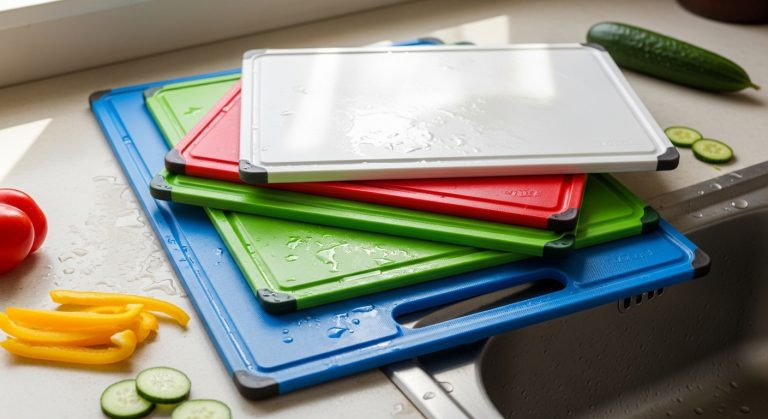
1. Ditch the plastic cutting board. Every knife strike on a polyethylene board releases thousands of microplastic particles directly into your vegetables. Swap to solid wood.
2. Stop microwaving plastic containers. Heating plastic breaks down chemical bonds. This releases endocrine-disrupting chemicals like phthalates into your leftovers. Use glass or ceramic.
3. Ignore “BPA-Free” labels. Manufacturers often replace BPA with BPS or BPF. These sister chemicals carry the exact same hormone-disrupting risks.
4. Swap to a stainless steel or glass water bottle. Drinking from single use plastics daily guarantees a steady diet of microplastics.
5. Switch out your plastic spatula. Leaving a plastic utensil resting on a hot pan degrades the polymer. Wood or stainless steel is infinitely better.
6. Re-evaluate your coffee maker. If boiling water runs through plastic tubing before hitting your cup, you are drinking plastic. Look for stainless steel French presses or ceramic pour-overs.
7. Avoid silken tea bags. Those premium pyramid tea bags are often made of PET plastic. Steep loose leaf tea in a metal strainer instead.
8. Ditch the plastic wrap. It cannot be recycled and leaches into fatty foods.
9. Adopt beeswax wraps. They mold to the top of any bowl using the heat of your hands and last for months.
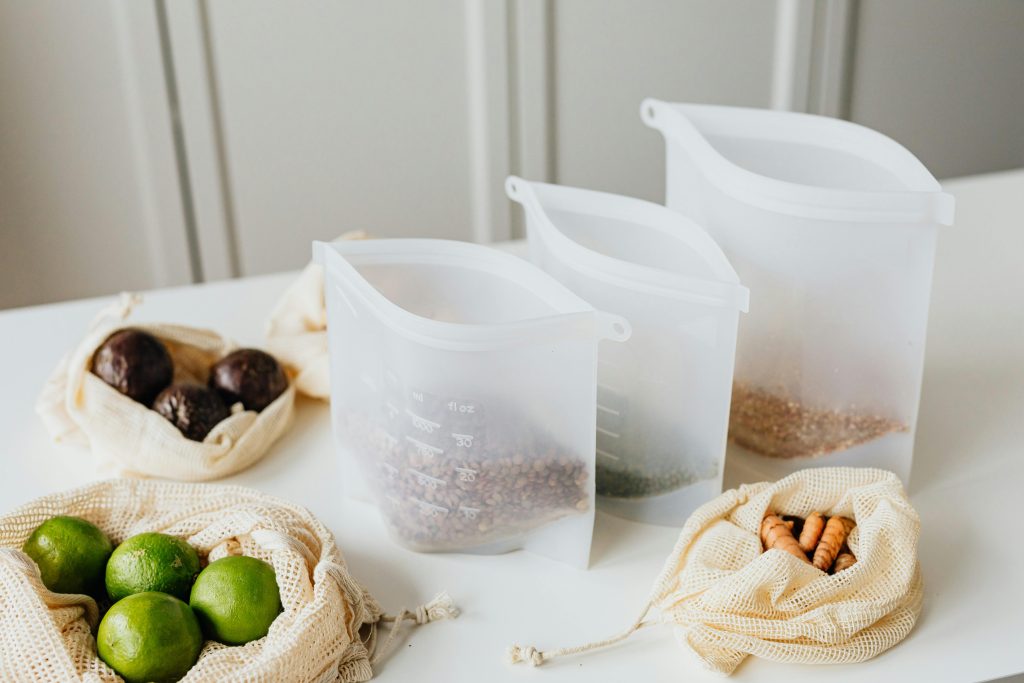
10. Upgrade to silicone storage bags. While silicone is not perfect, food-grade platinum silicone is highly stable at high temperatures compared to standard plastics. Stasher bags are a great alternative to disposable baggies.
11. Buy loose produce. You do not need a thin plastic bag for three thick-skinned oranges. Let them roll free in the cart.
12. Bring your own reusable bags. Keep them in the front seat of your car, not the trunk, so you actually remember them.
13. Avoid black plastic containers. Black plastic is notoriously difficult for optical sorting machines to recognize at recycling facilities. It almost always goes to the landfill.
14. Stop buying bottled water. If your tap water tastes bad, invest in a quality countertop filter or whole house filtration system.
15. Use real silverware for takeout. When ordering food to your house, check the box that says “no utensils needed.”
Top Picks for Hydration & Storage
- Budget: Glass jars you already own (Perfect for water or food storage).
- Best Overall: Hydroflask Water Bottle (Stainless steel, leak-proof, highly durable).
- Investment: Stasher Bags Ultimate Set (Replaces thousands of single-use baggies over a lifetime).
Tier 2: The Daily Swaps (Bathroom & Cleaning Upgrades)
Cleaning products and personal care items are notorious for greenwashing. This tier focuses on finding truly non toxic cleaning products and personal care routines that eliminate stealthy plastics.
16. Identify the PVA trap. Those convenient laundry pods and dissolving detergent sheets are held together by Polyvinyl Alcohol (PVA). It is a dissolved plastic that water treatment plants struggle to filter.
17. Switch to powder laundry detergent. Cardboard boxes of powder detergent are wildly effective and entirely plastic-free.
18. Try concentrated cleaning tablets. Brands like Blueland let you drop a tablet into a reusable glass bottle. You add the water.
19. Ditch the plastic loofah. Synthetic bath sponges shed microplastics directly into the water system every time you scrub.
20. Adopt a natural sea sponge or agave cloth. They exfoliate better and are fully compostable when they wear out.
21. Move to a safety razor. Over two billion disposable razors end up in landfills every year. A metal safety razor lasts a lifetime. You only replace the recyclable steel blades.
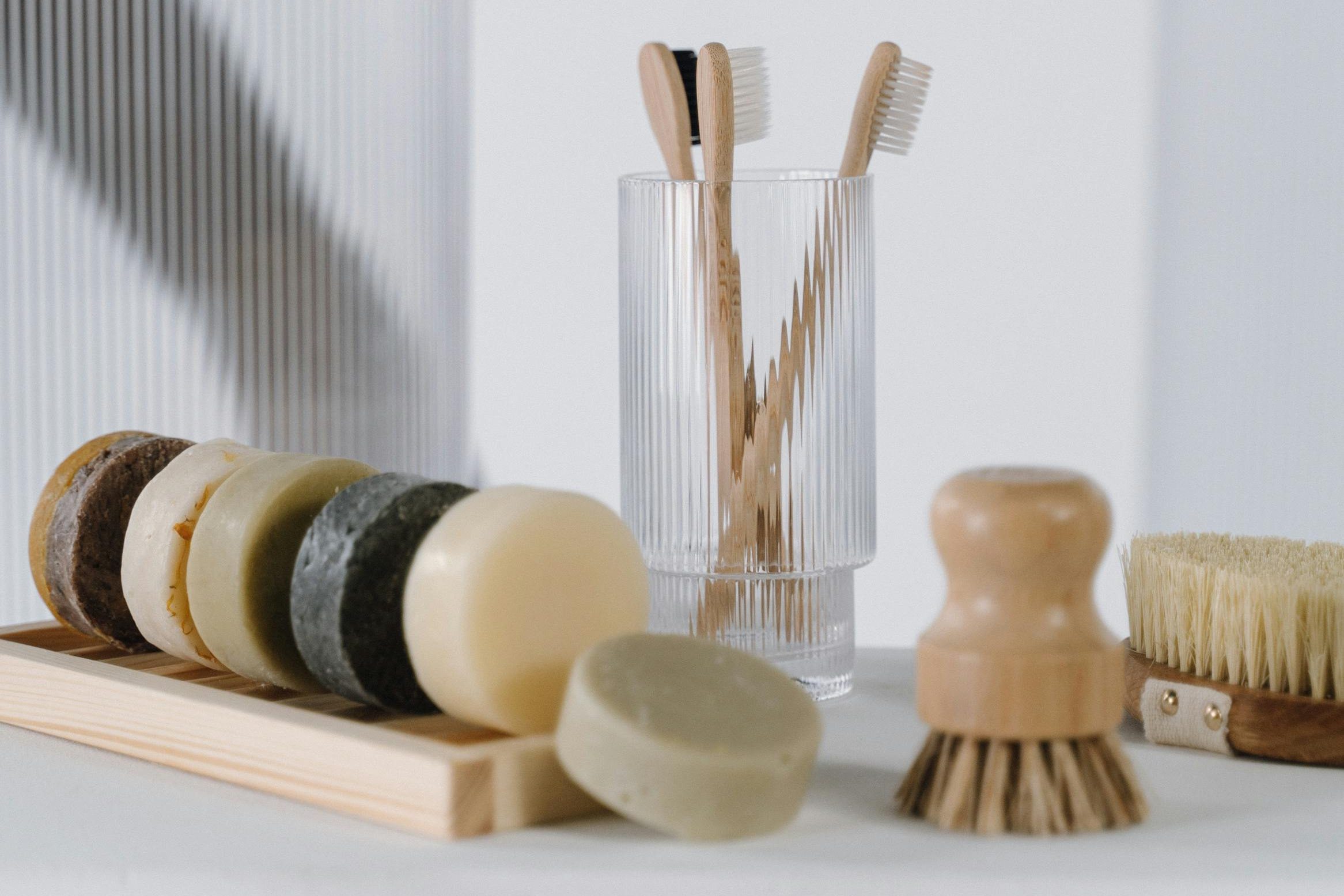
22. Swap to a bamboo toothbrush. It feels identical to plastic but biodegrades.
23. Use toothpaste tablets. Traditional toothpaste tubes are made of mixed materials (plastic and aluminum) and cannot be recycled. Tablets come in glass jars.
24. Try shampoo and conditioner bars. They eliminate the need for plastic bottles in the shower and last twice as long as liquid equivalents.
25. Look for plastic free deodorant. Many brands now package natural deodorant in cardboard push-up tubes.
26. Say no to synthetic dental floss. Conventional floss is coated in Teflon-like chemicals. Silk or bamboo fiber floss in a glass jar or paper package is the safer choice.
27. Use a wooden hairbrush. Plastic bristles break off and end up in the vacuum or the trash. Wood or bamboo pins massage the scalp beautifully.
28. Wash with bar soap. It is the original zero-waste product. Skip the body wash in the heavy plastic jug.
29. Buy recycled toilet paper. Better yet, look for brands that wrap their rolls in paper rather than thin plastic film.
30. Re-think your dish soap. Solid dish soap blocks sit next to your sink. You just rub a wet brush on them to create a lather.
Top Picks for a Non-Toxic Home
- Budget: Branch Basics Trial Kit (A versatile, plant-based concentrate).
- Best Overall: Blueland Clean Suite (Glass bottles with zero-waste refill tablets).
- Investment: Dropps Powder Laundry Detergent in bulk (Cardboard packaging, highly effective).
Tier 3: The Weekend Projects (System Upgrades)
This tier requires a bit of planning. These are sustainable living on a budget strategies that require a Saturday afternoon to set up but pay dividends for years.
31. Audit your trash can. Before taking the trash out, look at what is actually in there. Is it mostly food waste? Packaging? Knowing your enemy is the first step.
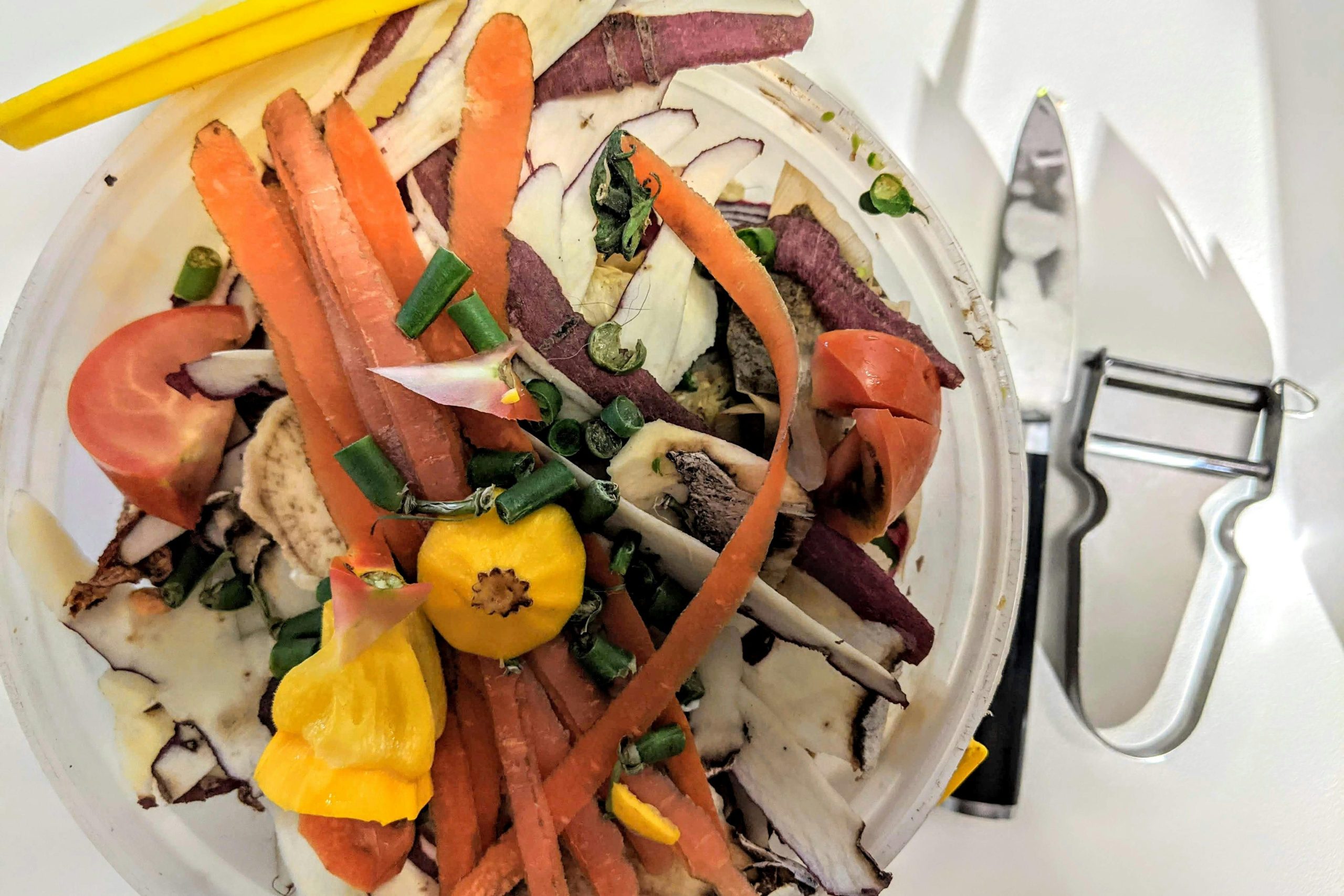
32. Start a countertop compost bin. Food waste trapped in a landfill creates methane. Composting returns nutrients to the soil and drastically reduces your weekly garbage volume.
33. Find a local package free shop. Search for a refill store near you where you can bring your own jars for dish soap, shampoo, and dry goods.
34. Shop the bulk bins. Rice, beans, oats, and pasta can often be purchased using your own cloth bags.
35. Unsubscribe from junk mail. Spend one hour contacting the major direct marketing associations to remove your address from their lists.
36. Stop wishcycling. Putting unrecyclable items (like greasy pizza boxes or plastic film) into the blue bin contaminates the whole batch. When in doubt, throw it out.
37. Beware of bioplastics. Polylactic acid (PLA) cups labeled compostable only break down in industrial facilities heated to 140 degrees. In your backyard or a landfill, they act exactly like regular plastic.
38. Save your glass jars. The jars from marinara sauce and pickles are elite food storage containers. Soak them in warm water and baking soda to remove the labels.
39. Make your own cleaning spray. White vinegar, water, and lemon peels in a glass spray bottle will clean 90 percent of your home surfaces for pennies.
40. Repair before replacing. Learn basic sewing skills to fix a torn seam instead of throwing the garment away.
41. Buy second-hand first. From furniture to clothing, utilizing the circular economy prevents new plastic from being manufactured.
42. Optimize your fridge. Store highly perishable greens at eye level so you do not forget them. Food waste is a massive contributor to household trash.
Tier 4: The Ultimate Upgrades (High Effort)
These steps require more time or capital. They are the final frontier of how to reduce waste at home.
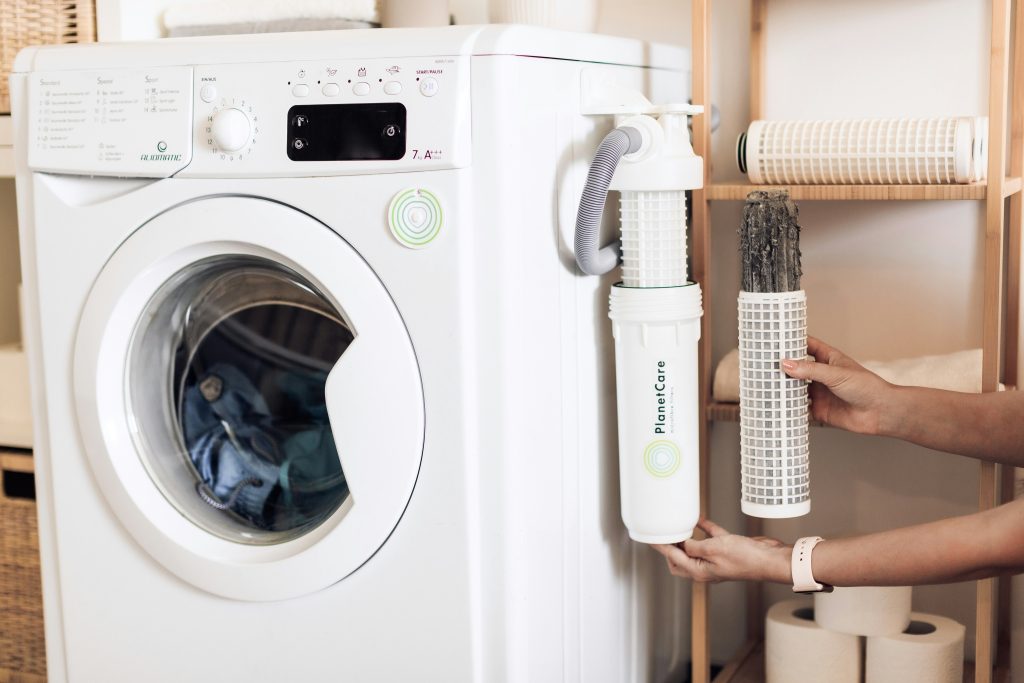
43. Install a microfiber filter on your washing machine. Synthetic clothing (polyester, nylon, fleece) sheds millions of microfibers during the wash cycle. A filter catches them before they reach the ocean.
44. Transition to natural fibers. When buying new clothes, prioritize organic cotton, linen, hemp, and merino wool.
45. Beware of bamboo greenwashing. Many “bamboo” fabrics are actually chemically intensive rayon blends. Look for mechanical bamboo or certifications like GOTS.
46. Upgrade to cast iron or carbon steel. Non-stick pans are coated in PFAS (forever chemicals). A well-seasoned cast iron skillet is naturally non-stick and lasts generations.
47. Rethink your mattress. Conventional mattresses are giant blocks of polyurethane foam. When replacing, look for an organic mattress made of natural latex, wool, and cotton.
48. Go paperless with your billing. Call your utility companies and bank to switch everything to digital statements.
49. Use cloth napkins and towels. Replace single-use paper towels in the kitchen with a stack of washable cotton rags.
50. Share resources with neighbors. You do not need to own a power drill or a lawnmower if you can borrow one. Community sharing drastically cuts down on manufacturing waste.
Top Picks for Kitchen Upgrades
- Budget: Lodge Cast Iron Skillet (The most durable, affordable cooking upgrade).
- Best Overall: PlanetCare Microfiber Filter (An essential add-on for your washing machine).
- Investment: Naturepedic Organic Mattress (Free of synthetic foams and chemical flame retardants).
Reducing waste is not about achieving absolute zero. It is about making smarter, more informed choices when the opportunity arises. By focusing on how to avoid microplastics and auditing your daily routines, you protect your body and lower your environmental impact. Take it one room at a time. Your health and your home will thank you.
Frequently Asked Questions
What is the easiest way to start reducing waste at home? The easiest way to start reducing waste at home is to swap out single-use items you buy frequently for reusable alternatives. Switching to a reusable water bottle, keeping canvas grocery bags in your car, and using cloth towels instead of paper towels are high-impact, low-effort changes that drastically cut daily trash.
How do I avoid microplastics in my food? To avoid microplastics in food, never heat food in plastic containers, as heat causes the polymer chemical bonds to degrade and leach into meals. Swap plastic cutting boards for wood, use glass or stainless steel food storage, and avoid boiling water in appliances that have plastic internal tubing.
Are bioplastics or plant-based plastics better for the environment? Bioplastics (like PLA) are generally not better for home waste reduction. They require industrial composting facilities reaching very high temperatures to break down properly. If thrown into a standard trash can or a home compost bin, bioplastics behave similarly to conventional plastic and will not biodegrade.
What are the best non-toxic cleaning products? The best non-toxic cleaning products are straightforward ingredients like white vinegar, baking soda, and castile soap. For commercial products, look for brands offering concentrated powders or tablets in glass or cardboard packaging, which eliminates both plastic waste and harsh synthetic chemicals.
Do laundry pods contain plastic? Yes, most traditional laundry pods and detergent sheets contain Polyvinyl Alcohol (PVA). While PVA dissolves in the washing machine, scientific debate remains about whether it fully biodegrades in wastewater treatment plants, making plastic-free powder detergent a safer environmental choice.
How can I reduce waste on a tight budget? Sustainable living on a budget involves repurposing what you already own. Save glass salsa and pasta jars for food storage, cut up old t-shirts to use as cleaning rags, buy pantry staples from bulk bins, and focus on repairing items rather than replacing them.
Is a zero waste lifestyle actually possible? An absolute zero waste lifestyle is nearly impossible due to modern supply chains. The goal should be “progress over perfection.” Focus on significant source reduction by refusing single-use plastics, composting food scraps, and buying second-hand, rather than trying to fit all annual trash into a small jar.
Why shouldn’t I use black plastic containers? You should avoid black plastic containers because the optical sorting machines at most recycling facilities use light to identify materials. The dark pigment absorbs the light, making the plastic invisible to the scanners, resulting in black plastic being diverted to landfills even if placed in a recycling bin.
How do clothes contribute to plastic pollution? Synthetic clothing (like polyester, fleece, and nylon) sheds microscopic plastic fibers during the agitation of a washing machine cycle. These microfibers bypass water treatment plants and are a leading cause of microplastic pollution in global waterways.
What is a package-free shop? A package-free shop (or refill store) is a retail location where customers bring their own clean, empty containers to purchase goods in bulk. You weigh your empty jar, fill it with products like dish soap, shampoo, or rice, and only pay for the weight of the product inside, entirely eliminating packaging waste.