Laundry Sheets vs. Powder: The Invisible Plastic in Your Eco-Laundry Routine (And Why We Are Returning to Powder)
We need to talk about the “dissolvable” film in your eco-friendly laundry routine. It doesn’t just disappear into magic dust. It’s a polymer. And according to new testing data, it might be time to go back to the 1950s.
If you have been on social media lately, you have likely been targeted by a sleek, pastel-colored ad for laundry detergent sheets. They promise the world: zero waste, zero mess, and a clean conscience.
But are they actually cleaning your clothes?
Recent independent testing from consumer advocacy groups like Choice and Consumer Reports has dropped a bombshell on the industry: some laundry sheets perform little better than plain water in standard wash cycles.
We looked at the polymer science and the cost-per-load economics to find the truth. The answer might upset a few influencers.
Quick Summary: If you want the most effective plastic-free clean, skip the sheets and pods. We recommend Meliora Laundry Powder for a budget-friendly, truly plastic-free option, or Dirty Labs if you need a bio-enzyme heavy hitter.
The Physics of “Clean”: Why You Can’t Cheat Mass
To understand why your gym clothes still smell funky after using an eco-strip, you have to look at the physics of the wash cycle.
The Volume Problem:
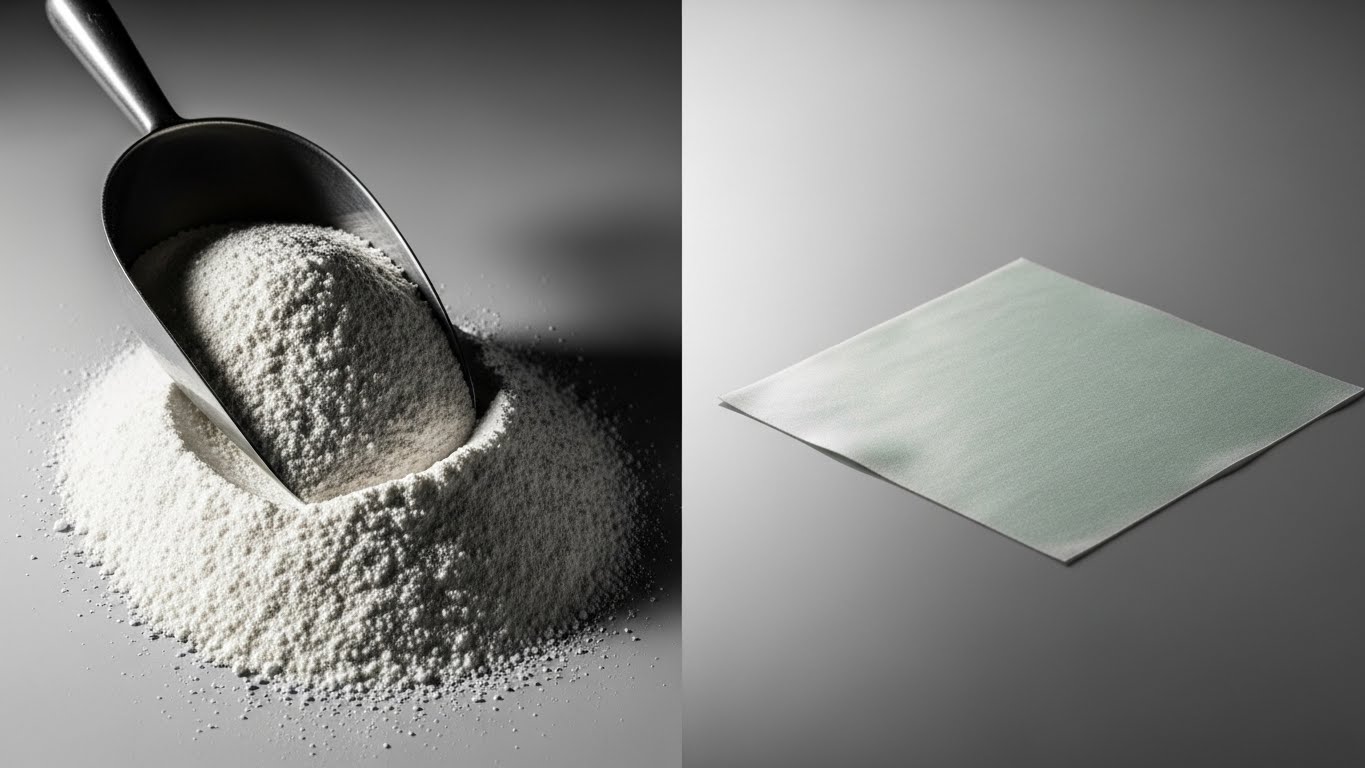
A standard dose of effective powder detergent is roughly 30 to 40 grams. A laundry sheet weighs approximately 3 grams. Even if that sheet was 100% pure surfactant (it isn’t; it’s mostly binder), you are asking 3 grams of chemistry to clean 7 kilograms of dirty fabric. The math simply does not add up.
The Enzyme Stability Issue:
Enzymes (like protease for sweat/blood and amylase for starches) are the workhorses of modern cleaning.
- In Sheets/Pods: Enzymes are sensitive proteins. In flexible films or liquids, they can denature (unfold) over time or require heavy chemical stabilizers to stay active on the shelf.
- In Powder: In a dry, inorganic environment, enzymes remain dormant and highly stable. They only activate when they hit the water in your machine.
The Result: A standard scoop of powder packs a significantly higher cleaning punch than a pre-measured sheet, simply because the active ingredients are more shelf-stable and present in higher volume.
The Elephant in the Washer: PVA (Polyvinyl Alcohol)
Here is the “Investigative” truth most brands bury in the FAQs. The film on laundry pods and the binding agent in many laundry sheets is made of PVA (Polyvinyl Alcohol).
The Science:
PVA is a synthetic polymer. Its chemical structure is a long chain of carbon atoms with hydroxyl groups attached.
While it is water-soluble (it dissolves), “dissolving” is not the same as “biodegrading.”
The Greenwashing Alert:
Brands love to claim PVA is biodegradable. However, a landmark study by Rolsky and Kelkar found that approximately 75% to 77% of PVA passes through wastewater treatment plants intact.
Why? Because PVA requires very specific conditions to break down biologically:
- Specific adapted bacteria.
- Retention times (how long the water sits in the treatment plant) of several days.
- Temperatures consistently above 20°C (68°F).
Most municipal water treatment plants in the US move water through too quickly and operate at temperatures too cold for this breakdown to happen. The result? A plastic solution enters our waterways, where it can absorb heavy metals and enter the food chain.
The Cost Per Load: A 2025 Inflation Reality Check
Being plastic-free shouldn’t bankrupt you. We crunched the numbers on the “Real Cost” of laundry.
| Detergent Type | Avg. Cost Per Load | Plastic Content | Cleaning Power |
| Eco-Sheets | $0.35 – $0.55 | Low (PVA Binder) | Low |
| Zero-Waste Pods | $0.40 – $0.60 | High (PVA Film) | Medium |
| Powder (Cardboard Box) | **$0.14 – $0.22** | Zero | High |
The Takeaway: You are paying a massive “Convenience Premium” (over 100% markup) for sheets. Powder in a cardboard box remains the economic champion.
The Verdict Matrix: The 3 We Recommend
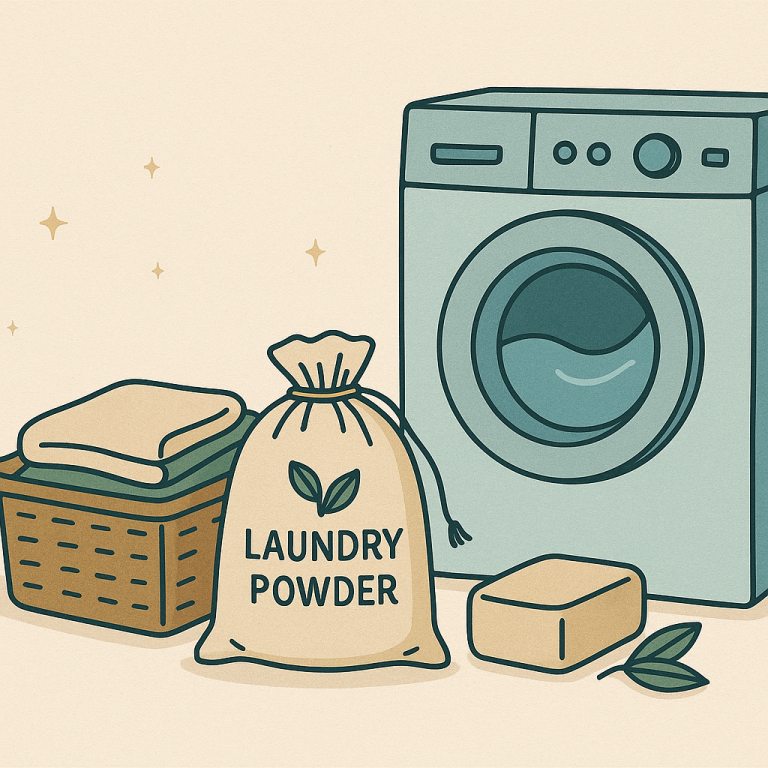
We aren’t saying sheets are evil, but we are saying they aren’t necessary. If you want a plastic-free home, the answer is powder.
1. The “Heavy Duty” Pick: Meliora Laundry Powder
If you have kids, pets, or gym gear, you need power.
- Why: It’s a concentrated powder that lists every single ingredient on the front of the can. No fillers, no “fragrance” loopholes. It comes in a sturdy cardboard-paper canister with a stainless steel scoop (optional).
- The Cost: Approx $0.20/load.
- Where to buy: Meliora
2. The “Investment” Pick: Dirty Labs Bio-Enzyme Powder
This is for the person who loves the science of cleaning.
- Why: Dirty Labs uses a proprietary enzyme blend (Phytolase®) specifically designed to target biological stains (sweat, sebum) without damaging technical fabrics. It is arguably the most advanced detergent on the market, liquid or powder.
- The Cost: Higher upfront, but highly concentrated.
- Where to buy: Dirty Labs
3. The “Travel & Small Space” Pick: The DIY Powder Hack
We used to recommend sheets for travel because they are light. But we can’t recommend a product that leaves plastic in the water just because it fits in a carry-on.
- The Problem: Carrying a 5lb box of powder is impossible for travelers or those in tiny apartments.
- The Fix:The “Stasher” Method.
- Take a small silicone bag (like a Stasher snack bag) or a repurposed spice jar.
- Fill it with 10-15 scoops of high-concentration powder (like Meliora).
- Result: You have 15 loads of laundry that weigh mere ounces, take up zero space, and won’t leak like liquid or pollute like PVA sheets.
The Reality Check (And How to Fix The Powder “Mess”)
Let’s be honest: Switching back to powder can be annoying. Powder spills. It gets humid and clumps. You will inevitably drop the box on your toe.
The Cold Water Fix:
Some natural powders struggle to dissolve in ice-cold water (under 60°F), leaving white streaks on dark clothes.
- The Solution: Keep a mason jar of warm water next to your washer. Dissolve your scoop of powder in the jar (give it a shake like a cocktail) before pouring it into the drum. It adds 15 seconds to your routine, but it guarantees a streak-free clean.
Frequently Asked Questions
Is PVA toxic to humans?
Generally, no. PVA is currently considered safe for human contact and is used in eye drops and pharmaceuticals. The concern is environmental persistence, not acute human toxicity.
Do all sheets contain PVA?
Almost all of them do. PVA acts as the “glue” that holds the detergent ingredients together in a sheet form. Without it, the sheet would crumble into dust.
Can I compost my laundry powder box?
Yes! As long as the box doesn’t have a plastic liner (rip it to check—if it tears easily like paper, it’s compostable; if it stretches, it’s plastic), you can shred it and add it to your brown compost bin.