How to Wash Synthetic Clothes to Reduce Microplastic Shedding: The Science & Gear
Every time you run a load of laundry, you are likely sending millions of invisible plastic threads straight into the local water supply.
It is a tough pill to swallow. You bought the reusable water bottle. You bring your own canvas bags to the grocery store. You even tried that plastic free natural deodorant. But your favorite fleece sweater and your most comfortable yoga pants are quietly contributing to one of the largest environmental crises of our era.
Zero-waste living is hard. It is expensive. It is exhausting. Nobody expects you to throw away your entire wardrobe and replace it with organic hemp tomorrow. You need your activewear. You need affordable winter coats. The goal here is progress over perfection.
We are going to look at exactly why your clothes shed, how the physics of your washing machine makes it worse, and the specific gear you can use to capture this pollution before it hits the ocean.
The Science of Shedding: Anatomy of a Yoga Pant
To fix the problem, you have to understand the material. Synthetic fabrics are made from petroleum. Polyester, nylon, acrylic, and spandex are simply different recipes for plastic.
When a manufacturer creates a polyester shirt, they do not pour a single, solid sheet of plastic. They melt polyethylene terephthalate (PET) and spin it into microscopic filaments. These filaments are twisted together to create yarn. The yarn is then knitted or woven into fabric.
The issue lies in the physical structure of that yarn. Those individual filaments are fragile. Every time you wear the garment, friction causes tiny breaks in the fibers. Every time you stretch your leggings, microscopic threads snap.
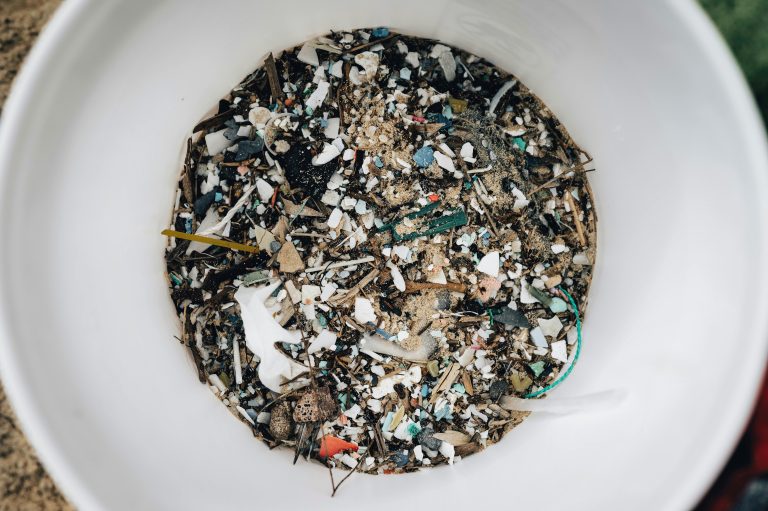
These broken pieces are microplastics. They are defined as plastic fragments smaller than 5 millimeters in length. In the case of clothing fibers, they are usually much smaller. They are entirely invisible to the naked eye. Because they are so small, wastewater treatment plants cannot filter all of them out. They slip through the municipal screens, flow into rivers, and eventually settle in the ocean. Marine life consumes them. They enter the food chain. Ultimately, they end up on our dinner plates.
Answering the Big Question: Does Polyester Clothing Shed Microplastics?
If you have ever wondered does polyester clothing shed microplastics?, you are already ahead of the curve. Yes. They do. And the sheer volume is staggering.
A landmark 2016 study by marine scientists Napper and Thompson at the University of Plymouth quantified the exact damage. They found that laundering an average 6-kilogram load of synthetic clothing produces a terrifying amount of pollution.
The numbers per single wash load:
- Polyester-cotton blends: ~137,000 fibers.
- 100% Polyester: nearly 500,000 fibers.
- Acrylic: over 700,000 fibers.
When people ask if polyester clothing sheds microplastics, they usually assume the local water treatment plant catches the debris. This is a dangerous misconception. While modern wastewater plants do catch a percentage of these fibers, billions still slip through into open waterways.
Even worse, the fibers that are successfully caught by the treatment plant are separated into a concentrated substance called sewage sludge. In many countries, this sludge is then legally sold and spread over agricultural fields as a cheap fertilizer. When it rains, the microplastics in the sludge wash directly into the soil, our groundwater, and the surrounding rivers. The pollution just takes a detour.
The Mechanics of Your Washing Machine: A Shredder in Disguise
Your washing machine is a mechanical beast. It relies on three primary forces to clean your clothes. It uses thermal energy (heat), chemical energy (detergent), and mechanical energy (agitation). All three of these forces are the exact things needed to accelerate plastic degradation.
The Mechanical Stress of Agitation Top-loading washing machines with central agitators are the most aggressive. They clean by violently twisting the clothes back and forth. This friction is brutal on synthetic fibers. It physically rips the loosened microplastics away from the main garment. Front-loading machines are generally gentler. They rely on gravity to tumble the clothes, which creates less direct friction and significantly reduces shedding.
The Danger of Thermal Energy Heat softens plastic. When you wash your synthetic clothes in hot water, the polymer bonds in the fabric become more pliable and weaker. The agitation then has an easier time tearing those fibers apart. Heat also damages the elasticity of spandex, which is why your workout gear loses its stretch over time.
The Chemical Abrasives Powdered laundry detergents are highly abrasive. Before they fully dissolve, the grains of powder act like microscopic liquid sandpaper. As the clothes rub together in the wash, the powder can grind away at the synthetic fibers.
The Recycled Polyester Trap: Beware of Greenwashing
Before we get to the solutions, we have to talk about how the fashion industry is manipulating you.
Many major activewear and outdoor brands aggressively market clothing made from recycled ocean plastic or recycled water bottles. They slap a green leaf on the tag and call it sustainable. This is classic greenwashing.
Taking a solid plastic bottle and mechanically recycling it into a soft, spun fiber does not solve the plastic crisis. In fact, it arguably accelerates it. A plastic bottle sitting in a landfill will take hundreds of years to break down. But if you turn that bottle into a fleece jacket, it will immediately start shedding microplastics into the water supply the very first time you wash it.
You are taking a contained piece of plastic and turning it into uncontained pollution.
Does this mean you should throw your recycled polyester leggings away? Absolutely not. Throwing them away creates immediate waste. The most sustainable garment is the one already in your closet. But you should be fully aware of the marketing tactics used to make you feel better about buying new plastic.
The 6 Golden Rules of Laundry: How to Wash Synthetic Clothes Safely
You do not need to buy expensive gear to start making a difference immediately. Changing your laundry habits is free. It also extends the life of your clothing. Here is the step-by-step protocol for washing synthetic fabrics.

Rule 1: Wash Your Clothes Less Often This is the most critical step. We have been conditioned to wash our clothes after every single use. Unless you were sweating heavily or visibly soiled the garment, it probably does not need a full wash. Spot clean stains with a damp cloth. Hang sweaters outside to air them out. The less time your clothes spend in the washing machine, the less they will shed.
Rule 2: Wash Exclusively in Cold Water Remember the thermal energy problem. Hot water weakens plastic. Always set your machine to the coldest possible setting when washing synthetics. Modern liquid detergents are formulated to work perfectly in cold water. You will save money on your energy bill while protecting your clothes.
Rule 3: Fill the Drum Completely When you run a small load of laundry, the clothes have plenty of room to thrash around. This creates maximum friction. When you fill the washing machine completely, the clothes are packed tightly together. They move as a single mass. This drastically reduces the mechanical friction and lowers the shedding rate.
Rule 4: Separate Hard from Soft Do not wash your delicate yoga pants in the same load as heavy denim jeans or jackets with metal zippers. The heavy, abrasive items will beat up the softer synthetics during the wash cycle.
Rule 5: Dissolve Powdered Detergents While powdered detergent often reduces plastic packaging, the undissolved grains can cause too much abrasion. Dissolve the powdered detergent in the water prior to putting in your clothes. This reduces friction.
Rule 6: Never Use the Dryer The dryer is the final enemy of synthetic clothing. The intense heat bakes the plastic, weakening the fibers for the next wash. Furthermore, the lint you pull out of your dryer trap is literally a sheet of microplastics. Always air dry your synthetic garments. They are essentially made of plastic anyway, so they dry incredibly fast on a drying rack.
Essential Gear to Capture Microplastics in the Laundry Room
Behavioral changes are great. But to truly stop the flow of microplastics from your home, you need physical intervention. You need gear designed to trap these fibers before they go down the drain.
We have categorized the best available tools based on your budget and commitment level.
The Cora Ball
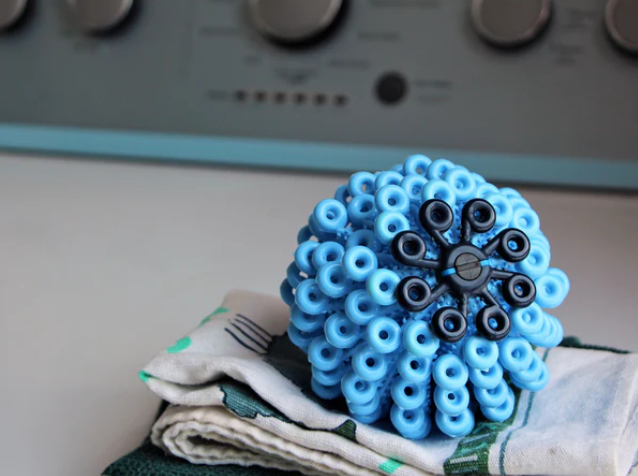
If you want a low-friction, easy entry into microplastic reduction, the Cora Ball is your best bet.
Inspired by how natural coral filters the ocean, the Cora Ball is a soft, spiky sphere made of recycled rubber. You simply toss it into the washing machine with your clothes. As the water circulates, the water flows through the spikes. The ball physically catches and tangles the microscopic threads before they can drain away.
It does not catch everything. Independent testing shows the Cora Ball catches roughly 30% of shedding microfibers. But a 30% reduction for a simple tool you toss in the drum is a massive win for the environment.
Pros: Extremely easy to use. Requires no installation. Lasts for years.
Cons: Does not catch 100% of fibers. Can occasionally snag delicate lace (though safe for most activewear).
The Guppyfriend Washing Bag
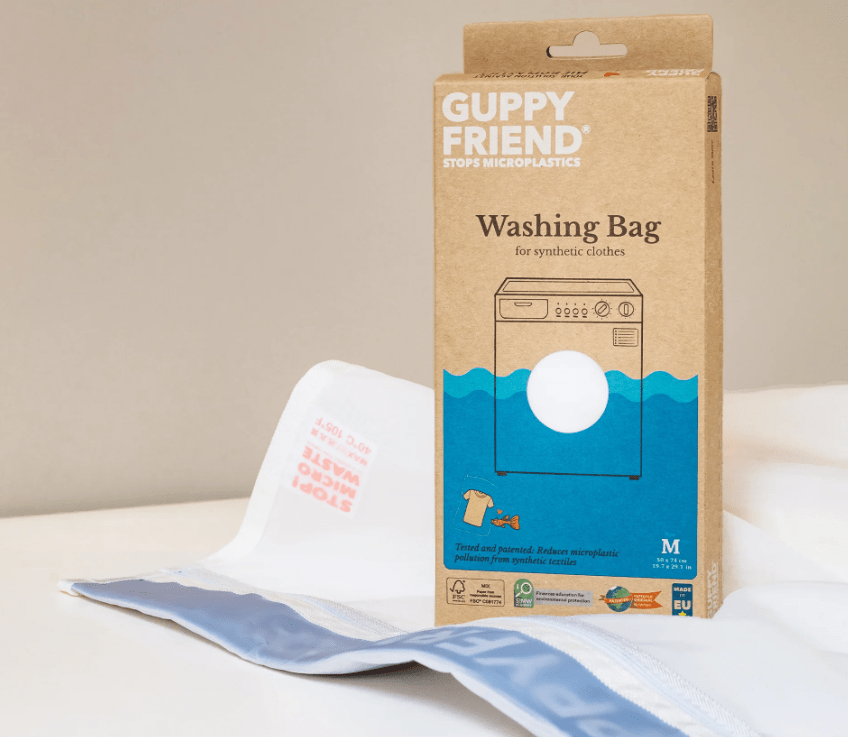
This is the industry standard for consumer-level microplastic filtration. It is highly effective and relatively affordable.
The Guppyfriend is a large washing bag made of a specially designed, slick polyamide material. The mesh is woven so tightly that water and soap can easily pass through, but microplastics cannot escape.
You place your synthetic clothes inside the bag, zip it up, and wash it as normal. The smooth interior of the bag actually reduces friction, meaning your clothes shed less in the first place. When the wash is done, you remove your clothes. You will notice a fine paste of fibers collected in the corners of the bag. You simply wipe this paste out with your finger and throw it in the trash bin.
Studies show the Guppyfriend reduces shedding by up to 86% while capturing almost everything that does break off.
Pros: Highly effective. Protects clothing from friction. Affordable.
Cons: Requires you to separate laundry and stuff bags. Can be tedious for large families.
Inline Washing Machine Filters
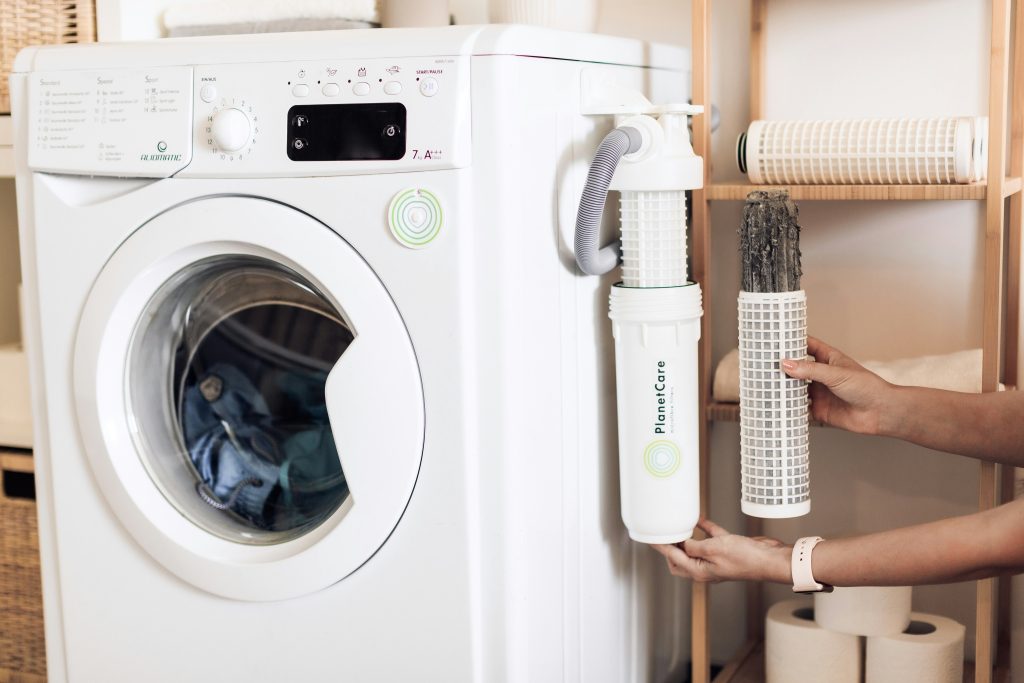
If you own your home and want a set-it-and-forget-it solution, you need an inline washing machine filter.
These are physical filtration canisters that you mount to the wall next to your washing machine. You disconnect your machine’s drain hose and attach it to the filter. The filter then connects to your wall drain. Every drop of water that leaves your machine passes through a microscopic mesh cartridge.
Products like the Filtrol 160 or the PlanetCare system are the most effective way to stop laundry microplastics. They capture up to 90% of all microfibers from every single load of laundry, regardless of what you wash.
Pros: The most effective solution available. Requires no changes to your daily laundry habits. Catches fibers from all types of clothing.
Cons: Expensive upfront cost. Requires minor plumbing setup. You must buy replacement filter cartridges regularly.
The Legislative Horizon: Governments Are Waking Up
The burden of solving the microplastic crisis should not rest entirely on the consumer. You did not design the yoga pants. You are simply trying to wash them.
Legislation is finally catching up to the science. In a massive global milestone, France officially implemented its Anti-Waste law on January 1, 2025. This law mandates that every single new washing machine sold in the country must be equipped with a built-in microfiber filter.
The United States is following suit at the state level. Oregon recently passed groundbreaking legislation requiring all new washing machines to include built-in filters by 2030. States like California, New York, and Washington are actively pushing similar bills through their state legislatures right now.
Until these laws pass globally and built-in filters become the standard, the responsibility falls on us. By changing how we wash and investing in simple gear, we can drastically reduce the amount of plastic flowing from our homes into the wild. It is a small change. But if millions of households adopt these practices, the impact on our oceans will be monumental.
Frequently Asked Questions
1. Does polyester clothing shed microplastics in every wash? Yes. Every time you wash a garment made of synthetic fibers like polyester, nylon, or acrylic, friction and water pressure cause tiny pieces of the plastic yarn to break off and wash down the drain.
2. Are natural fibers like cotton completely safe to wash? Natural fibers like cotton, wool, and linen also shed microfibers during washing. The crucial difference is that natural fibers will eventually biodegrade in the natural environment. Synthetic plastic fibers will persist in the ecosystem for hundreds of years.
3. Does a front load washer shed fewer microplastics than a top load washer? Yes. Front-loading washing machines rely on gravity to gently tumble clothes. Top-loading washing machines often use a central agitator that violently twists the fabric. This intense friction causes top loaders to shed significantly more microfibers.
4. How does water temperature affect synthetic clothing? Hot water softens the plastic polymers in synthetic fabrics. This makes the fibers weaker and more susceptible to breaking under the mechanical stress of the washing machine. Washing in cold water keeps the plastic rigid and reduces shedding.
5. Are clothes made from recycled water bottles better for the environment? While they divert plastic from landfills initially, clothes made from recycled plastic still shed microplastics. Many environmentalists view this as greenwashing. It takes a solid, contained piece of plastic waste and turns it into uncontained microplastic pollution.
6. Can I just use a normal mesh lingerie bag to stop microplastics? No. Standard mesh laundry bags have holes that are far too large. Microplastics are microscopic. They will easily flow right through a standard mesh laundry bag. You need a specialized bag with micron-level weaving.
7. How do I dispose of the microplastics I catch in my filter or bag? You must scrape the lint and fibers out of your Cora Ball, Guppyfriend, or inline filter and place them directly into your household trash. Do not rinse the filter in the sink. The goal is to send this plastic to a contained landfill rather than the water supply.
8. Does fabric softener help reduce microplastic shedding? Some studies suggest that liquid fabric softeners can reduce friction in the wash, thereby reducing shedding. However, fabric softeners introduce an entirely different set of toxic chemicals into the water supply. It is far better to rely on cold water and physical filters.
9. Why shouldn’t I put synthetic clothes in the dryer? The intense heat of a tumble dryer bakes and weakens the synthetic polymer bonds. This causes immense damage to the fibers. It ensures that the garment will shed heavily during its next trip through the washing machine. Always air dry synthetics.