Does Silicone Leach Microplastics? What Every Eco Shopper Needs to Know
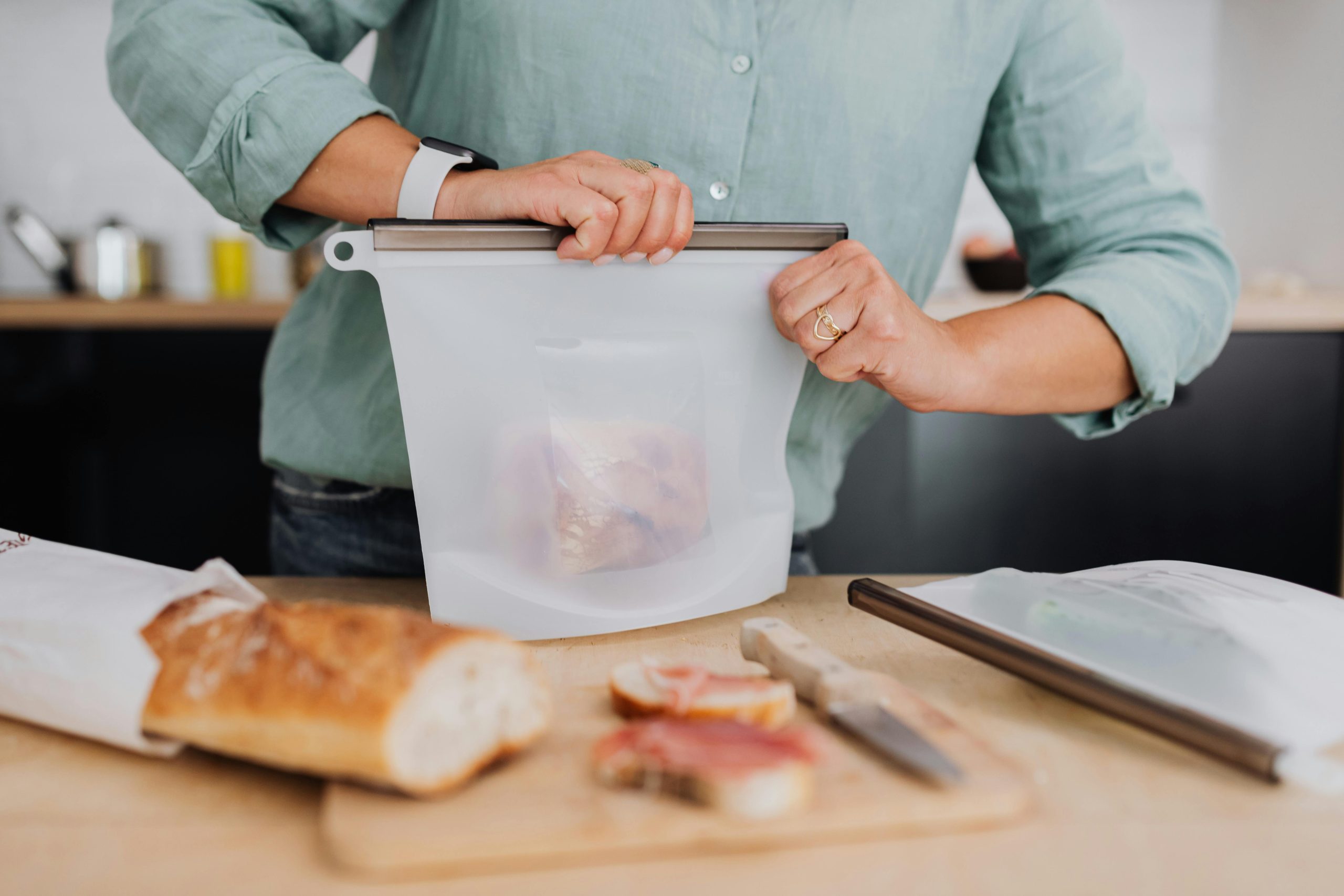
You ditched the flimsy plastic Tupperware for a drawer full of aesthetic, colorful silicone bags, but now you are staring at your kitchen utensils wondering if you just traded one toxic problem for another.
We get it. You are trying to do the right thing. You spent good money upgrading your kitchen to be more sustainable. Then a terrifying headline pops up on your feed suggesting your expensive new eco-swaps are secretly poisoning your family.
The internet is currently a mess of conflicting information regarding silicone. Influencers scream that it is perfectly safe, while others claim it is just a glorified plastic in disguise. The truth is much more nuanced. You do not need to throw away all your reusable sandwich bags just yet.
In this guide, we are clearing up the massive confusion between shedding physical microplastics and leaching chemical compounds. We will expose the greenwashing tactics brands use to sneak cheap plastic into your kitchenware. Most importantly, we will give you a foolproof physical test to identify the toxic imposters hiding in your drawers right now.
The Polymer Science: What Is Silicone Exactly?
To answer the question “does silicone have microplastics,” we first need to understand what silicone actually is. People often lump it in with plastics like Tupperware or water bottles. Scientifically speaking, this is inaccurate.
Silicone is a synthetic rubber. It is a polymer, which just means it is a large molecule made of repeating smaller units. However, the foundational building blocks of silicone are vastly different from traditional plastic.
Traditional plastics (like polyethylene or polystyrene) are petroleum-based. Their chemical backbone is made entirely of carbon-to-carbon bonds. These bonds are relatively easy to break down under the stress of heat, light, or physical friction. When they break, they shatter into millions of tiny, jagged physical fragments. These are microplastics.
Silicone (technically called polysiloxane) is built differently. Its backbone is made of alternating silicon and oxygen atoms, similar to the structure of glass or quartz sand. Carbon and hydrogen are attached to this very stable backbone.
Because the silicon-oxygen bond is significantly stronger and more heat-resistant than a carbon-carbon bond, pure silicone does not degrade by splintering into physical shards.
Shedding vs. Leaching: The Crucial Difference in Kitchen Safety
The biggest mistake everyday consumers make is confusing two completely different scientific processes: shedding and leaching. If we want to keep our food safe, we must understand the difference.
Does Pure Silicone Shed Microplastics?
No. High-quality, 100% pure silicone does not shed physical microplastics under normal kitchen wear and tear.
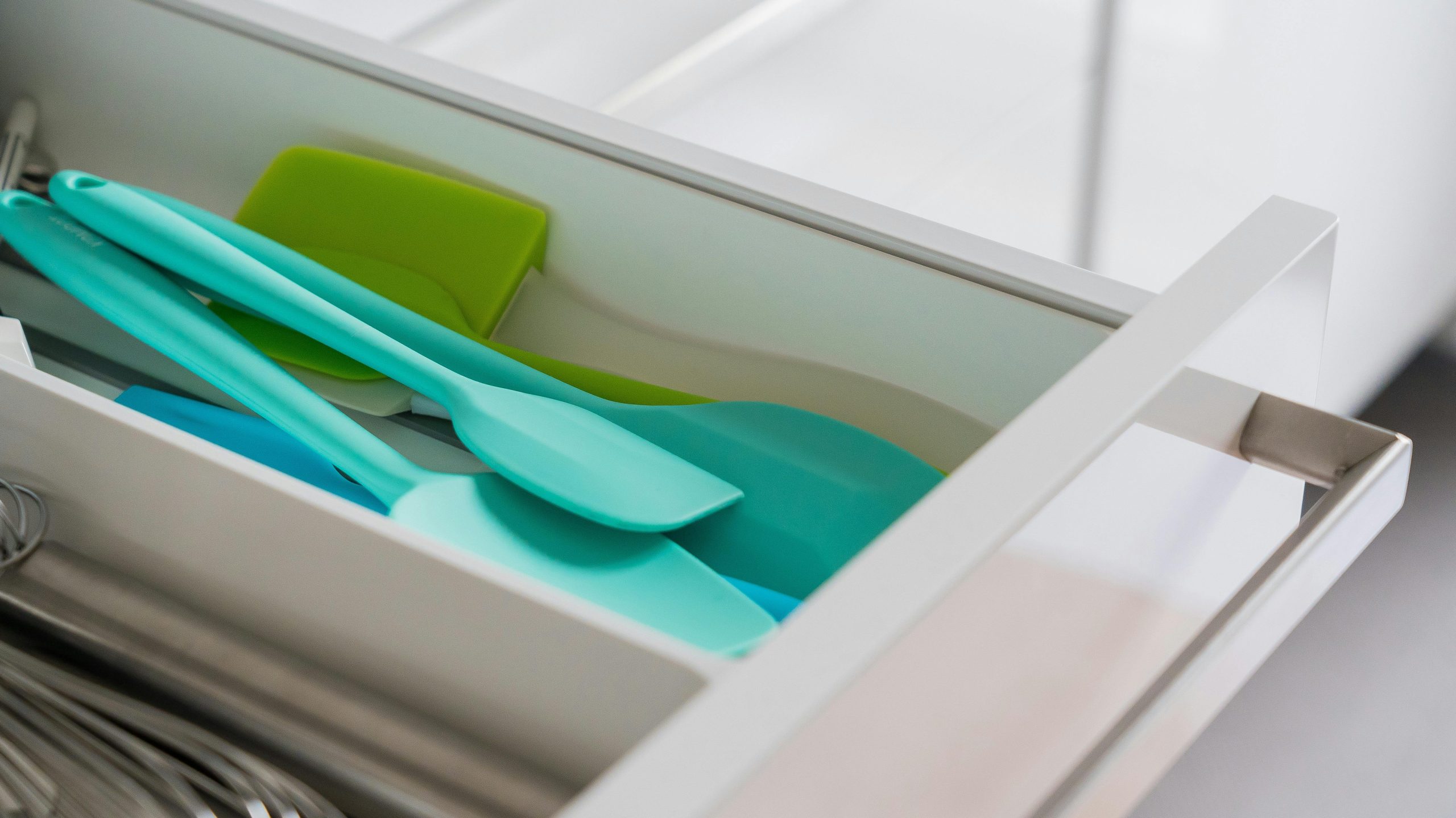
When you scrape a pure silicone spatula against a cast iron skillet, or when your toddler aggressively chews on a pure silicone straw, you are not creating microscopic plastic shards that will accumulate in the human bloodstream. The polymer structure of pure silicone prevents this kind of physical fracturing.
The Siloxane Reality: What Chemical Leaching Actually Means
Here is the bad news. While pure silicone does not shed physical microplastic shards, it can leach chemical compounds into your food under specific conditions.
This process is called chemical leaching. The specific chemicals in question are called siloxanes.
During the manufacturing of silicone, certain cyclic volatile methylsiloxanes (specifically compounds known as D4, D5, and D6) are used as building blocks. Sometimes, unreacted traces of these chemicals remain in the final product.
According to research reviewed by the European Chemicals Agency (ECHA), these specific siloxanes have been flagged as substances of very high concern due to their potential to bioaccumulate in the environment and act as endocrine disruptors.
So, when does silicone leach siloxanes? The science points to two primary triggers.
- Extreme Heat: Exposing silicone to temperatures above 300 degrees Fahrenheit increases the likelihood of siloxane release.
- High-Fat and Highly Acidic Foods: Siloxanes are fat-soluble. If you store hot, fatty foods (like heavily oiled roasted vegetables or rich cheeses) or highly acidic foods (like citrus marinades or tomato sauces) in a silicone bag, you create the perfect environment for chemical leaching.
The bottom line is clear. Pure silicone will not leave physical plastic shards in your lunch. But if you abuse it with high heat and hot fats, it can release unwanted chemical compounds.
The Plastic Filler Epidemic in “Food-Grade” Silicone
Up until this point, we have been talking exclusively about 100% pure silicone. Unfortunately, finding pure silicone is becoming incredibly difficult.
This is where the actual microplastic danger enters your kitchen.
To cut manufacturing costs, many companies blend pure silicone with cheap plastic fillers. They pump their products full of polyethylene or other petroleum-based plastics to bulk them up.
When a product is a hybrid of silicone and plastic fillers, it absolutely will shed microplastics.
As you scrub that cheap sandwich bag with a rough sponge, or put that cheap spatula in a hot dishwasher, the plastic fillers degrade. They splinter off from the silicone base. Suddenly, your eco-friendly kitchen tool is shedding thousands of microscopic plastic particles directly onto your food.
The “Food-Grade” Greenwashing Trap
How do brands get away with selling plastic-filled silicone? They hide behind the label 100% Food-Grade Silicone.
This label is dangerously misleading. In the United States, FDA standards for “food-grade” silicone dictate that the material is generally recognized as safe for food contact. However, these regulations legally permit a significant percentage of synthetic fillers.
A brand can proudly stamp 100% Food-Grade on their packaging while selling you a product that is secretly 20% plastic filler. It is a massive greenwashing loophole designed to make you feel safe while prioritizing their profit margins.
If you want to avoid microplastics entirely, you must look for the label 100% Platinum Silicone.
Platinum silicone is cured using a noble metal (platinum) as a catalyst instead of the cheaper peroxides used in standard food-grade silicone. The platinum curing process is cleaner, leaves fewer unreacted siloxanes behind, and strictly forbids the use of cheap plastic fillers.
If a product is true platinum silicone, it will not shed microplastics.
How to Do The Silicone Pinch Test at Home
You do not need a chemistry degree to figure out if you have been duped by cheap fillers. You just need your hands.
The pinch test is a widely recognized physical test that exposes hidden plastics in your silicone kitchenware. It relies on the simple fact that pure silicone retains its color uniformly under stress, while plastic fillers do not.
Here is exactly how to audit your kitchen drawers right now.
Step 1: Gather Your Silicone Items. Pull out your reusable sandwich bags, spatulas, baking mats, toddler plates, and ice cube trays.
Step 2: Pick a Flat Surface or Fold. Find a smooth, flat portion of the silicone item. If you are testing a bag, grab the side near the seam. If you are testing a spatula, grab the flexible edge.
Step 3: Pinch and Twist. Pinch the material tightly between your thumb and index finger. Now, twist the material aggressively while pulling it slightly apart. You want to stretch the polymer structure.
Step 4: Look for the White Flash. Observe the color of the stretched material.
- The Pass: If the material stays the exact same solid color (e.g., your blue bag stays perfectly blue even when stretched thin), congratulations. You likely have pure silicone without plastic fillers.
- The Fail: If the stretched area turns stark white or chalky, you have a problem. That white discoloration is the visual evidence of cheap plastic fillers stretching under pressure. This product is a microplastic shedding risk.
We highly recommend tossing any items that severely fail the pinch test, especially if they regularly come into contact with hot food or aggressive scrubbing.
Practical Rules for Using Silicone Safely in Your Kitchen
Living a low-waste lifestyle requires practical boundaries. You do not need to throw away your high-quality silicone, but you do need to treat it with respect.
Here are our strict editorial rules for keeping your family safe from both microplastic shedding and siloxane leaching.
Rule 1: Never heat food in silicone. Despite what the marketing says about being oven-safe or microwave-safe, we strongly advise against it. High heat degrades the material over time and triggers siloxane leaching. Use your silicone for cold or room-temperature storage only. When it is time to reheat leftovers, transfer them to a glass bowl or a stainless steel pan.
Rule 2: Keep hot fats and heavy acids in glass. If you are storing a hot, oily meat sauce or a highly acidic vinaigrette, reach for a glass mason jar. These specific food profiles act as solvents and pull chemical compounds out of the silicone walls. Save your silicone bags for dry goods, sliced fruits, sandwiches, and cold snacks.
Rule 3: Wash with care. Avoid using highly abrasive scouring pads on your silicone products. Even high-quality silicone can develop microscopic tears if you aggressively scrub it with steel wool. Hand wash with a gentle sponge and mild dish soap. If you must use a dishwasher, place silicone items on the top rack away from the exposed heating element at the bottom.
Rule 4: Retire damaged goods. Silicone does not last forever. If your spatula has deep gouges, or your sandwich bag feels eternally sticky and discolored no matter how much you wash it, the material is breaking down. It is time to responsibly dispose of it and replace it.
Plastic-Free Silicone Swaps: Our Top Tested Recommendations
If you just failed the pinch test and need to replace your cheap, filler-loaded kitchenware, we have you covered. We rigorously test products to ensure they meet genuine sustainability standards.
Here are the best pure silicone and glass alternatives, categorized by your budget.
Budget: Zip Top Reusable Containers
If you need an affordable entry point to safe food storage, Zip Top is the answer.
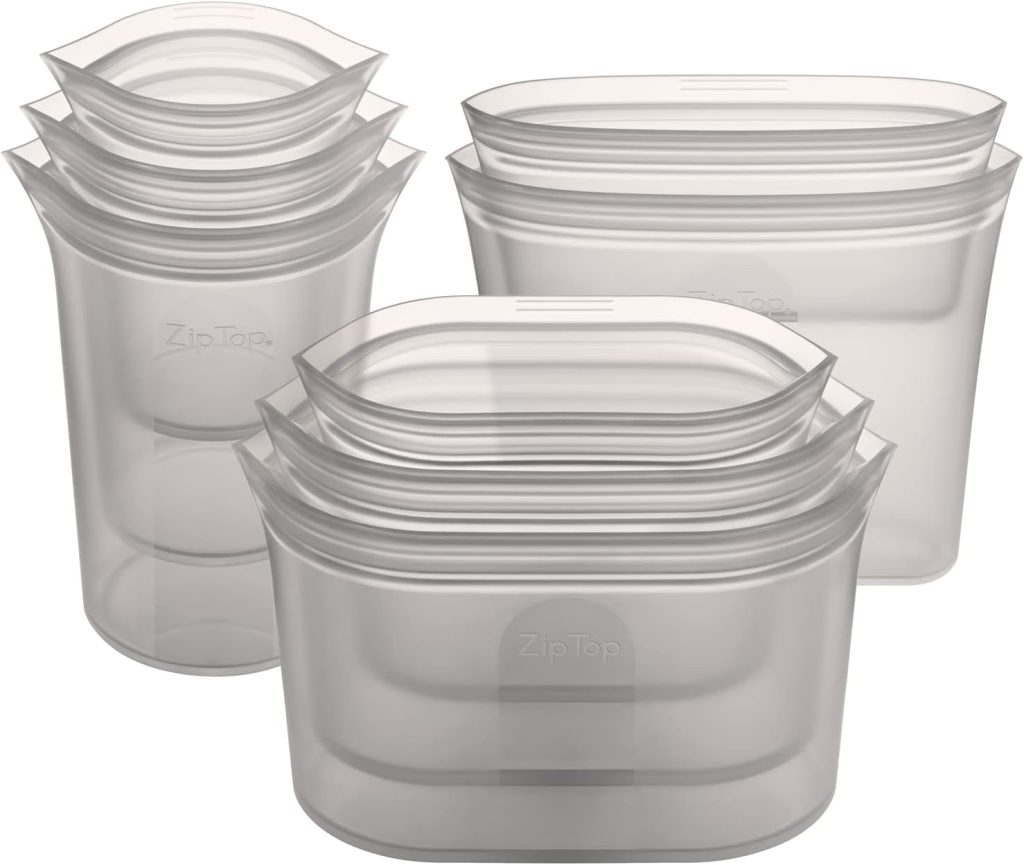
- Why we love them: They are made entirely in the USA from 100% platinum silicone. They stand upright on their own, which makes filling them incredibly easy compared to floppy bags.
- The Pinch Test: They pass with flying colors. No white fillers in sight.
- Best for: Packing dry snacks for work or keeping chopped vegetables crisp in the crisper drawer.
Best Overall: Stasher Bags
There is a reason this brand dominates the market. They actually live up to the hype.
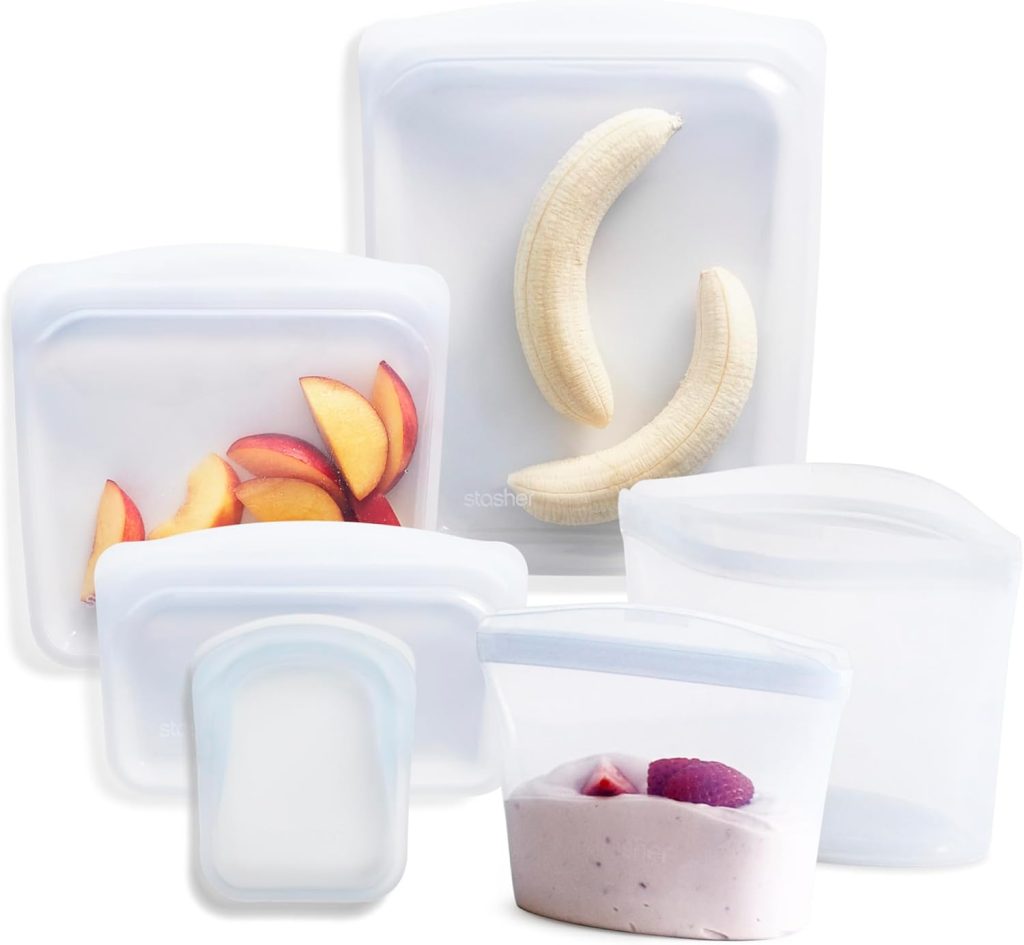
- Why we love them: Stasher bags are the gold standard for 100% pure platinum silicone. They are incredibly durable, feature a leak-proof pinch-loc seal, and come in a massive variety of sizes from tiny pocket bags to massive half-gallon storage units.
- The Pinch Test: Perfectly pure. Stasher is remarkably transparent about their manufacturing and zero-filler policy.
- Best for: Freezing smoothie prep ingredients, packing wet sandwiches, and everyday lunchbox use.
Investment: Sustainable Containables Stainless Steel Food Storage Containers with Clear Platinum Silicone Lids
If you want to completely eliminate the risk of microplastics while keeping the convenience of a view into your food, this is the final boss of food storage.
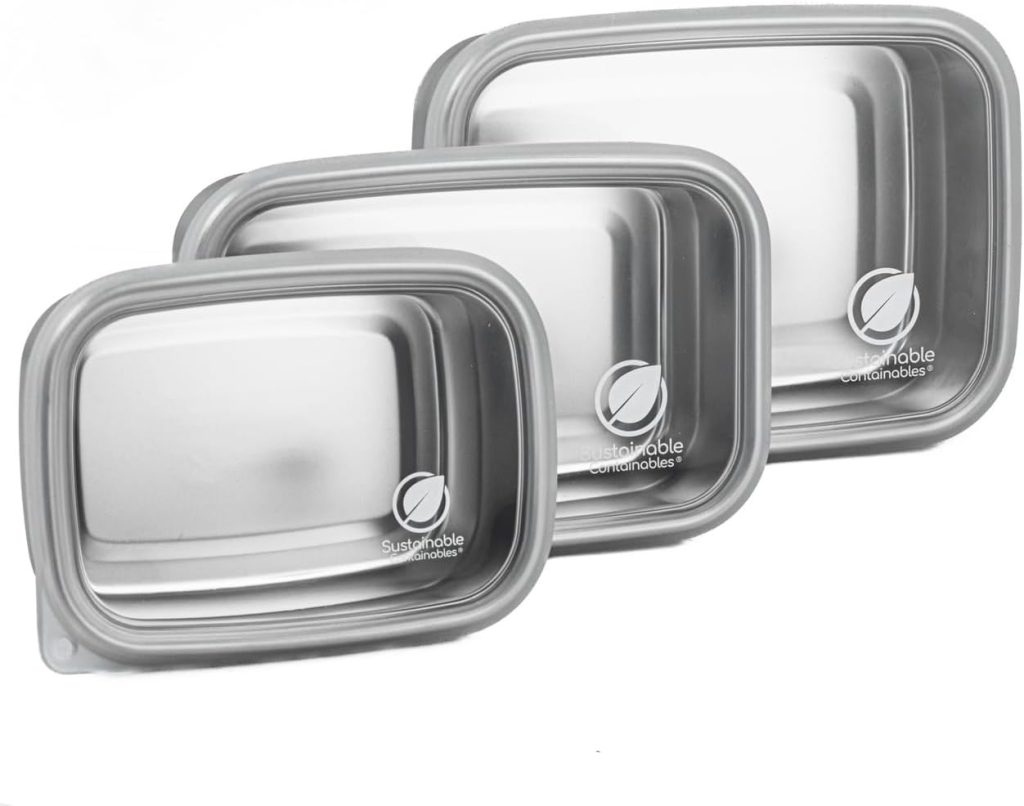
- Why we love them: This setup offers the best of both worlds. The body of the container is high-grade, food-safe stainless steel. This means you can store hot, oily, or acidic foods without any fear of leaching. The lids are made from clear platinum silicone, giving you that glass-like transparency without the weight or the risk of shattering.
- The Pinch Test: Exceptional. These lids are designed for long-term durability and do not use the white plastic fillers found in generic stainless steel lid brands.
- Best for: Professional-grade meal prep, travel, and anyone who wants a buy it once for life kitchen solution. Since the base is steel, you can also use these as lightweight mixing bowls.
10 Frequently Asked Questions About Silicone and Microplastics
Navigating the science of kitchen safety can be overwhelming. We have compiled the most common questions our readers ask to give you rapid, fact-based answers.
1. Does silicone have microplastics? Pure silicone does not contain microplastics. It is a synthetic polymer made with a silicon-oxygen backbone, not a petroleum-based carbon backbone. However, cheap silicone products are often blended with plastic fillers. These plastic fillers do contain and shed microplastics.
2. Is silicone just another type of plastic? No. While both are synthetic polymers, they have different chemical structures. Plastic is derived entirely from crude oil and relies on a carbon-carbon structure that breaks down into shards. Silicone relies on silica (derived from sand) and has a highly stable silicon-oxygen structure.
3. What does the silicone pinch test actually prove? The pinch test reveals the presence of cheap plastic fillers. When you stretch pure silicone, it retains its color. When you stretch silicone blended with plastic, the plastic particles pull apart and reveal a white or chalky underlayer.
4. Can I put silicone bags in the microwave safely? We do not recommend it. While 100% platinum silicone will not melt in the microwave, high temperatures can cause the material to leach chemical compounds called siloxanes into your food. Always transfer food to glass or ceramic before microwaving.
5. What is the difference between food-grade silicone and platinum silicone? “Food-grade” is a broad regulatory term that legally allows manufacturers to include plastic fillers in the silicone mixture. Platinum silicone refers to a specific, high-quality curing process that uses precious metals and absolutely zero plastic fillers. Platinum silicone is the safest choice.
6. Do silicone baby plates and spoons shed microplastics? If they are made of 100% platinum silicone, they will not shed physical microplastics when your baby chews on them. However, if they fail the pinch test and contain plastic fillers, aggressive chewing can cause those plastic particles to break off into your child’s mouth.
7. How do I know if my silicone is leaching siloxanes? You cannot see or taste siloxanes. Chemical leaching is invisible. The best way to prevent it is strictly behavioral. Avoid exposing your silicone containers to temperatures over 300 degrees Fahrenheit, and do not use them to store hot, fatty, or highly acidic liquids.
8. Are silicone baking mats safe to use in the oven? This is a heavily debated topic. While pure silicone mats are technically heat resistant up to high temperatures, prolonged exposure to oven heat significantly increases the risk of siloxane leaching into your baked goods. We recommend switching to unbleached parchment paper for a truly non-toxic baking experience.
9. Can silicone be recycled if I want to throw it away? Silicone is not biodegradable, and it cannot be thrown into your standard curbside recycling bin. It requires specialized recycling facilities to break it down. Brands like Stasher offer take-back programs where you can mail in your old, degraded silicone products so they can be repurposed into items like playground surfaces.
10. Is glass a better alternative to silicone for food storage? Yes. Glass is entirely non-porous, inert, and will never leach chemicals or shed physical particles under any circumstances. While silicone is fantastic for lightweight, on-the-go cold storage, heavy-duty glass should be the primary material used in your home kitchen for storing and heating meals.