The Best Plastic-Free Shampoo Bars of 2026: Lather, Rinse, Don’t Repeat (Plastic)
You finally made the eco-friendly swap to a shampoo bar, only to realize your hair now feels like a freshly waxed surfboard.
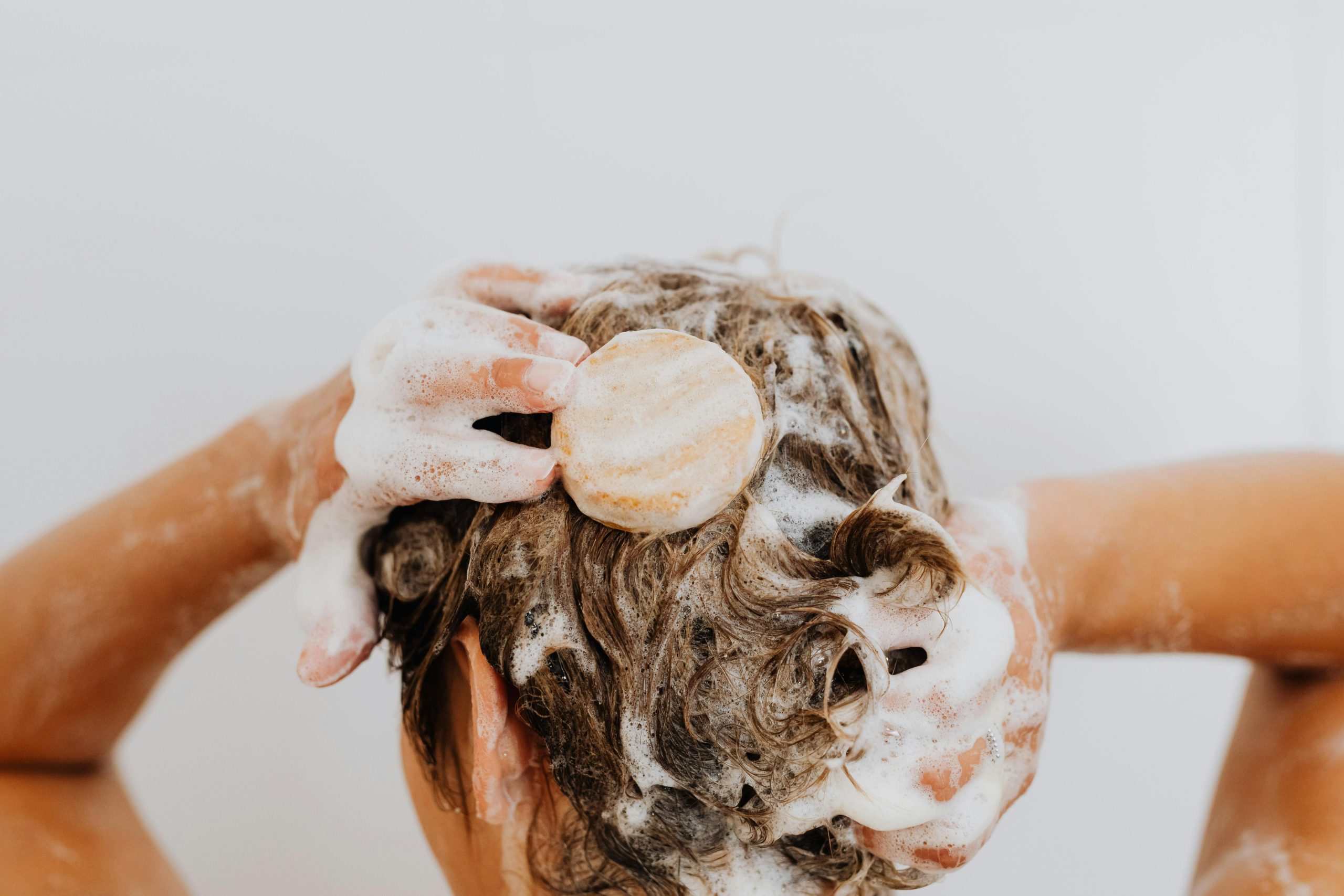
You stand in the shower, staring at a puck of “all-natural” soap, wondering if saving the planet means sacrificing your scalp. Your hair is sticky. It refuses to dry. Brushing it feels like pulling a comb through actual chewing gum. The brand told you there would be a transition period. They told you your scalp just needed to “detox” from commercial products.
Your scalp is not detoxing. Your hair is currently undergoing a very specific, highly predictable chemical reaction. And unless you fix it, you will likely do what millions of other well-intentioned consumers have done: throw the half-used bar in the trash and guiltily purchase a plastic bottle of Pantene.
Welcome to the reality of zero-waste haircare. It is not always as simple as swapping a bottle for a bar. The cosmetics industry produces an estimated 120 billion units of packaging annually, and haircare accounts for a massive chunk of that footprint. With over 70% of plastic cosmetic waste ending up in landfills and a dismal global recycling rate hovering around 9%, the urgency to ditch plastic is real.
But progress over perfection is our mantra. We cannot afford to shame people for abandoning eco-friendly swaps when the swaps themselves are scientifically flawed.
Let us break down the polymer science, expose the greenwashing behind the “transition period” myth, and review the best plastic-free shampoo bars of 2026 that actually work.
Quick Takeaways
If you are standing in the shower aisle right now and just want to know which bar will save your scalp (and the planet), here is the quick breakdown. Every brand on this list ships in 100% plastic-free, compostable, or recyclable paper packaging.
| Brand | Material (Base Formulation) | Best For | Pros | Cons |
| HiBAR | Coconut-derived Syndet | Best Overall | Zero transition period, ergonomic design, thrives in hard water. | Conditioner requires extra friction to melt. |
| Viori | Syndet & Longsheng Rice Water | Best Investment | Deeply moisturizing, ethically sourced, stunning spa-like scent. | High initial price point. |
| The Earthling Co. | Plant-based Syndet | Best on a Budget | Highly affordable bundles, fantastic scents, dense and long-lasting. | Bars are physically smaller than competitors. |
| Ethique | Clarifying Syndet | Hard Water Extremes | Strips heavy mineral buildup, lightweight conditioning, B-Corp. | Shipping from New Zealand adds a carbon footprint. |
| Chagrin Valley | Saponified Oils (True Soap) | Soft Water Only | USDA organic, hyper-natural ingredients, zero synthetic lab chemicals. | Will leave a waxy residue if you have hard water. |
The Best Plastic-Free Shampoo and Conditioner Bars of 2026
We vetted dozens of brands based on their chemical formulation, their performance in hard water, their packaging supply chain, and their commitment to ethical sourcing. Here are the top five sets categorized by your specific needs.
1. Best Overall: HiBAR (Maintain Set)
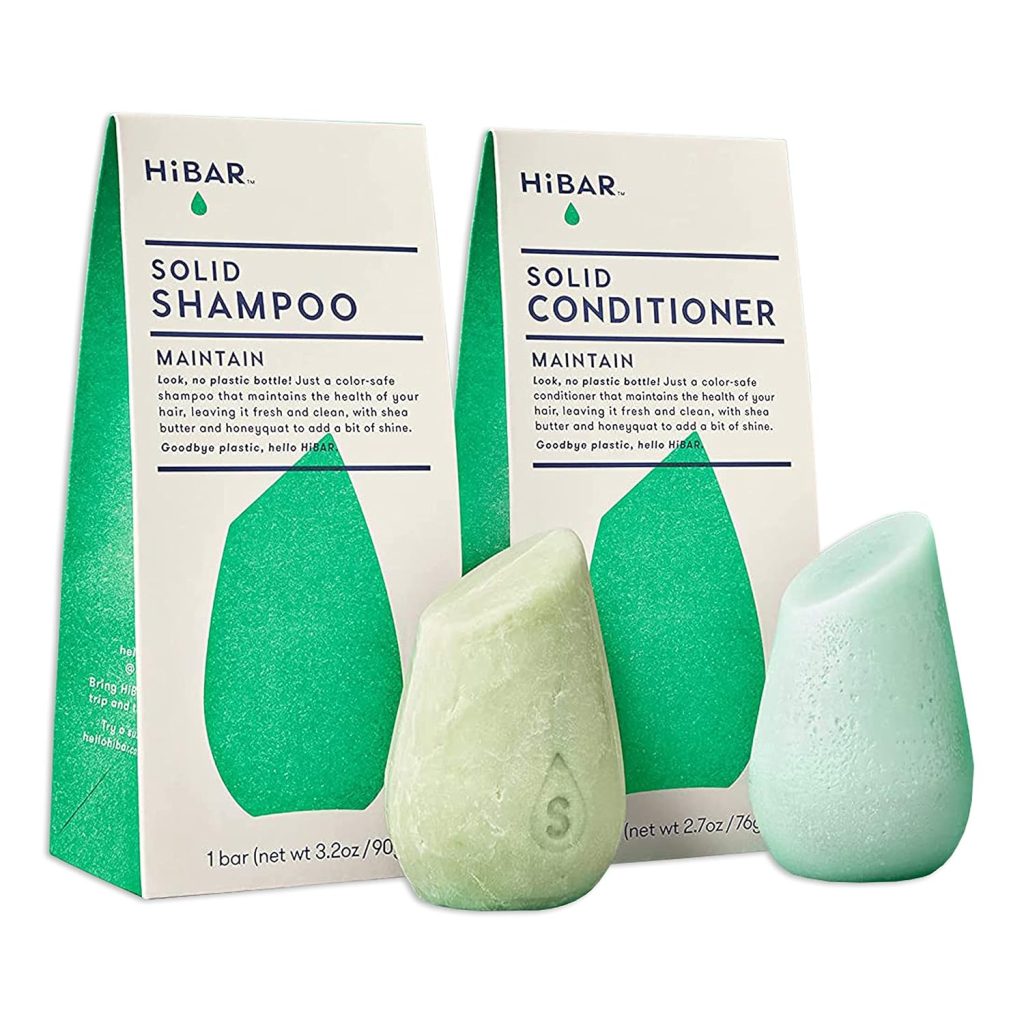
HiBAR is the gold standard for American consumers transitioning away from liquid bottles. They understood the assignment perfectly. They completely bypassed the traditional soap-making process and created salon-quality syndet bars that perform exceptionally well in even the hardest city water.
- The Formulation: HiBAR relies on Sodium Cocoyl Isethionate as its primary cleanser. This gentle, coconut-derived surfactant creates a dense, luxurious lather that rivals any traditional liquid shampoo. The “Maintain” set is perfectly pH balanced to keep hair cuticles smooth and manageable.
- The Experience: The bars are ergonomically designed to fit in the palm of your hand. Instead of a slippery puck, the angled top allows you to paint the product directly onto your scalp. The conditioner bar requires a bit of friction to warm up, but once it does, it offers incredible slip and detangling power.
- Sustainability Check: They are completely palm-free, vegan, and cruelty-free. The packaging is 100% plastic-free, utilizing recyclable and compostable cardboard printed with vegetable-based inks.
- Why it wins: It eliminates the learning curve. You do not need an apple cider vinegar rinse. You do not need a transition period. You just wash your hair and go about your day.
2. Best Investment: Viori (Hidden Waterfall Set)
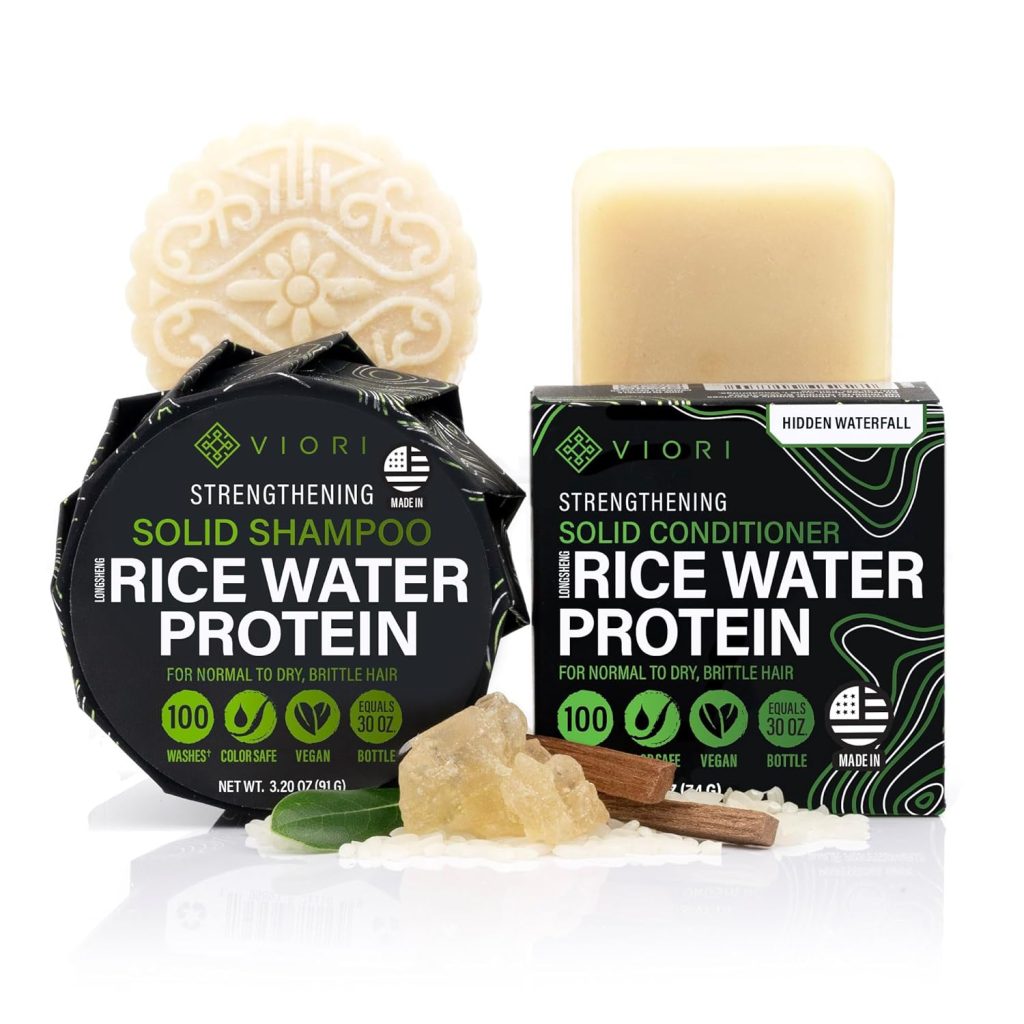
If you treat your haircare routine as a sacred ritual, Viori is the investment you want to make. They have built a massive cult following, and the science behind their formulation justifies the hype.
- The Formulation: Viori bases their formulas on the ancient hair care rituals of the Red Yao tribe in Longsheng, China. The primary active ingredient is Longsheng rice water. Rice water is packed with amino acids, B vitamins, and antioxidants. It has been scientifically shown to reduce surface friction and increase hair elasticity. Like HiBAR, Viori uses a pH-balanced syndet base, meaning it is perfectly safe for hard water.
- The Experience: These bars are visually stunning. They look like carved artisan soaps and smell like a high-end spa. The lather is incredibly creamy. The matching conditioner bar is arguably the most moisturizing solid conditioner on the market, making it perfect for thick, curly, or color-treated hair.
- Sustainability Check: Viori is plastic-free and ethically partnered. They buy the rice directly from the Red Yao women at a premium and donate a minimum of 5% of their profits back to the community for local initiatives.
- The Catch: They are expensive. But considering one bar replaces two to three standard bottles of liquid shampoo, the cost per wash is highly competitive.
3. Best on a Budget: The Earthling Co.
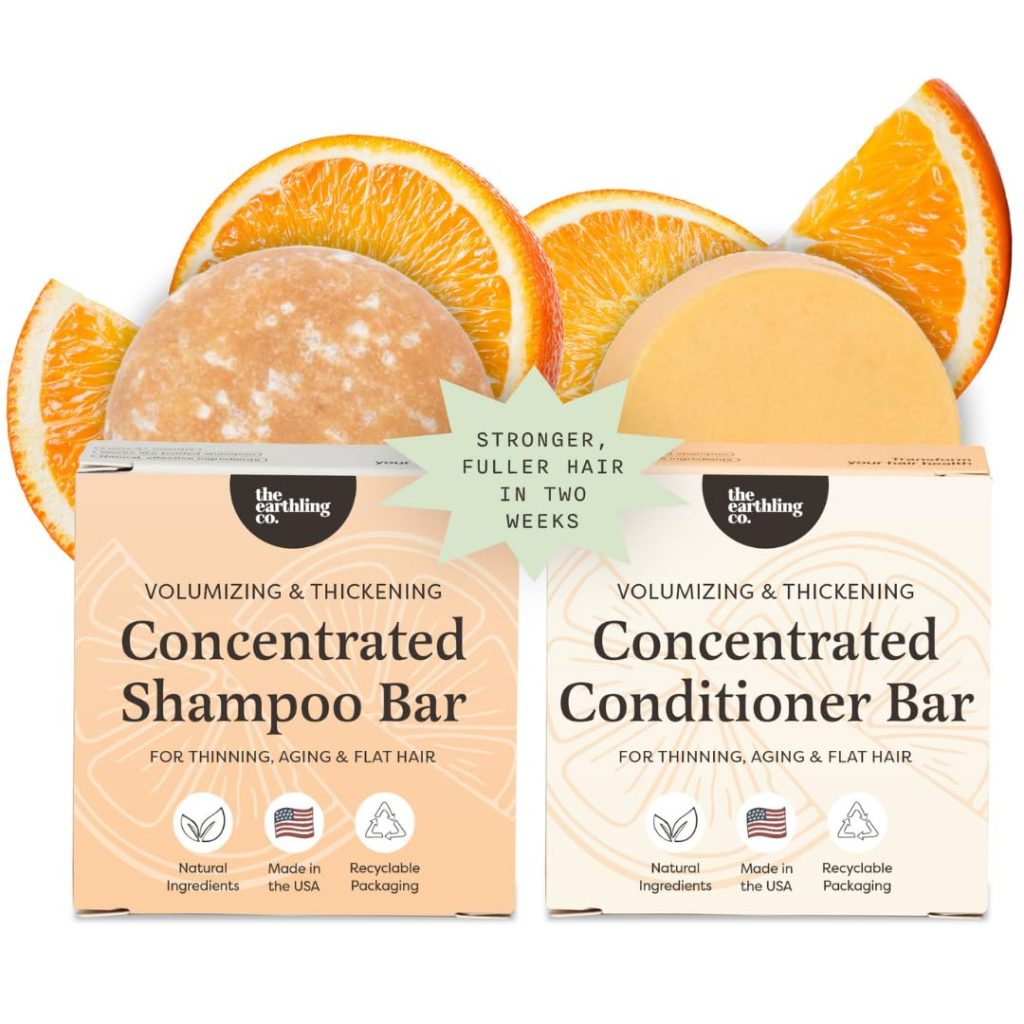
Going zero-waste should not require a six-figure salary. The Earthling Co. provides an incredibly accessible entry point for people who want to ditch plastic but cannot justify spending $20 on a single bar of shampoo.
- The Formulation: They offer a straightforward, highly effective syndet formula. It is free from sulfates, silicones, and synthetic dyes. They use panthenol (Vitamin B5) to add weightless moisture and apricot seed oil to smooth frizz.
- The Experience: The scents are bright and accessible. The vanilla and citrus options are crowd favorites. The bars are smaller than some competitors, but they are exceptionally dense, meaning they do not melt away quickly in the shower.
- Sustainability Check: All packaging is plastic-free and easily compostable. They manufacture in the USA, which lowers the carbon footprint associated with international shipping for North American buyers.
- Why it wins: You can frequently catch their bundles on sale, bringing the cost per bar down to under $12. It is the absolute best value on the market for a genuine, hard-water-safe syndet product.
4. Best for Hard Water Extremes: Ethique (Clarifying Set)
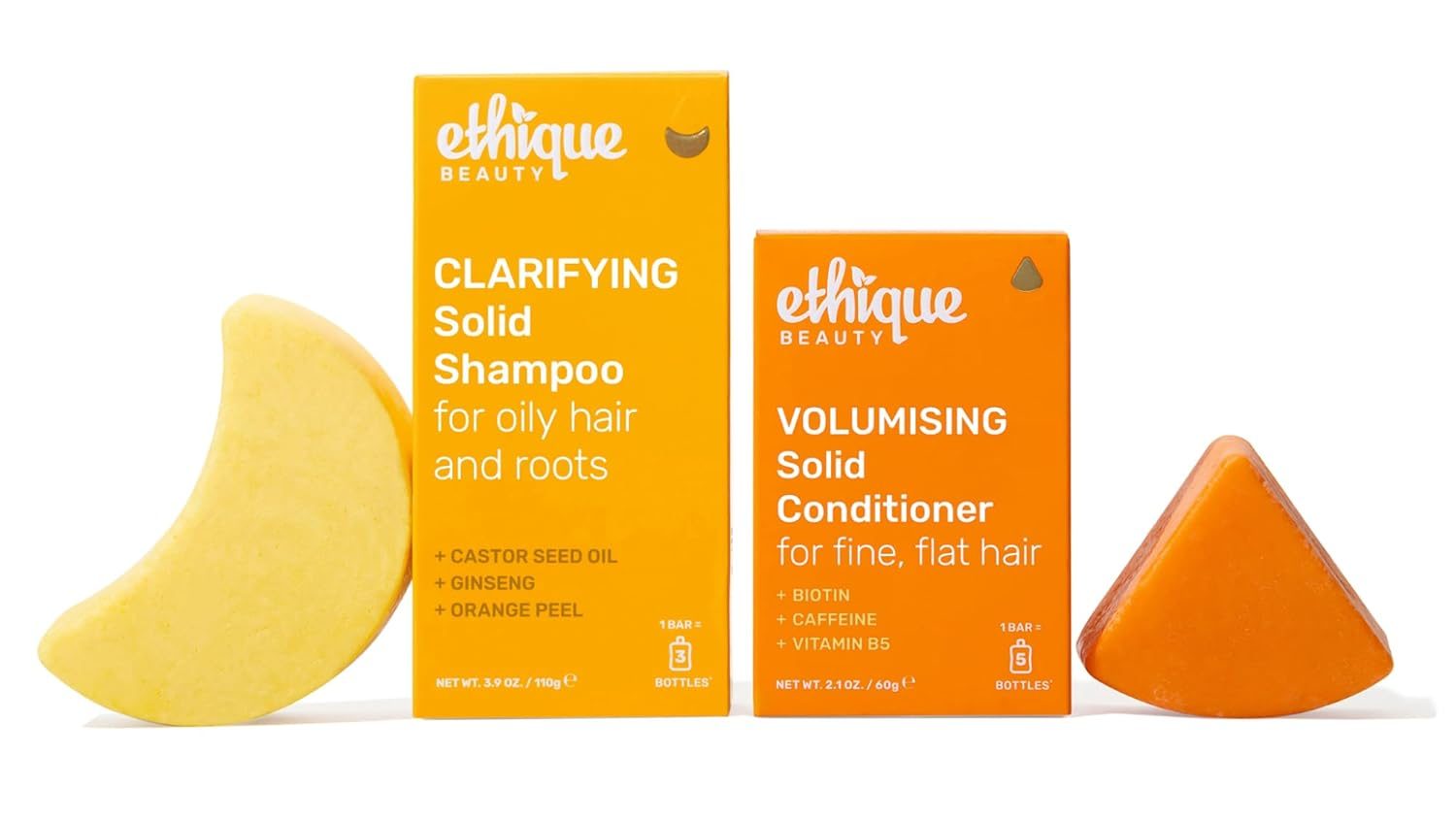
Ethique is the pioneer of the zero-waste beauty movement. Based in New Zealand, they were fighting the plastic war long before it was a mainstream trend. If you live in an area with notoriously hard water (think well water or desert regions), Ethique’s clarifying formulas are unmatched.
- The Formulation: Ethique is highly transparent about their chemistry. The clarifying shampoo bar is specifically formulated to cut through heavy mineral buildup and excess sebum. It utilizes castor oil and orange peel to clarify the scalp without stripping the hair follicle completely bare.
- The Experience: Your scalp will feel exceptionally clean. This is the closest you can get to a traditional “clarifying shampoo” in a solid form. The matching Volumizing conditioner is incredibly lightweight, preventing fine hair from being weighed down by heavy butters.
- Sustainability Check: Ethique is a certified B-Corp. They are strictly plastic-free, plant a tree for every order, and pay their staff a living wage. They do use palm oil derivatives, but they are strictly RSPO certified.
- The Catch: Shipping from New Zealand to the rest of the world has a carbon footprint, though they offset their emissions.
5. Best for Soft Water (True Soap): Chagrin Valley Soap & Salve
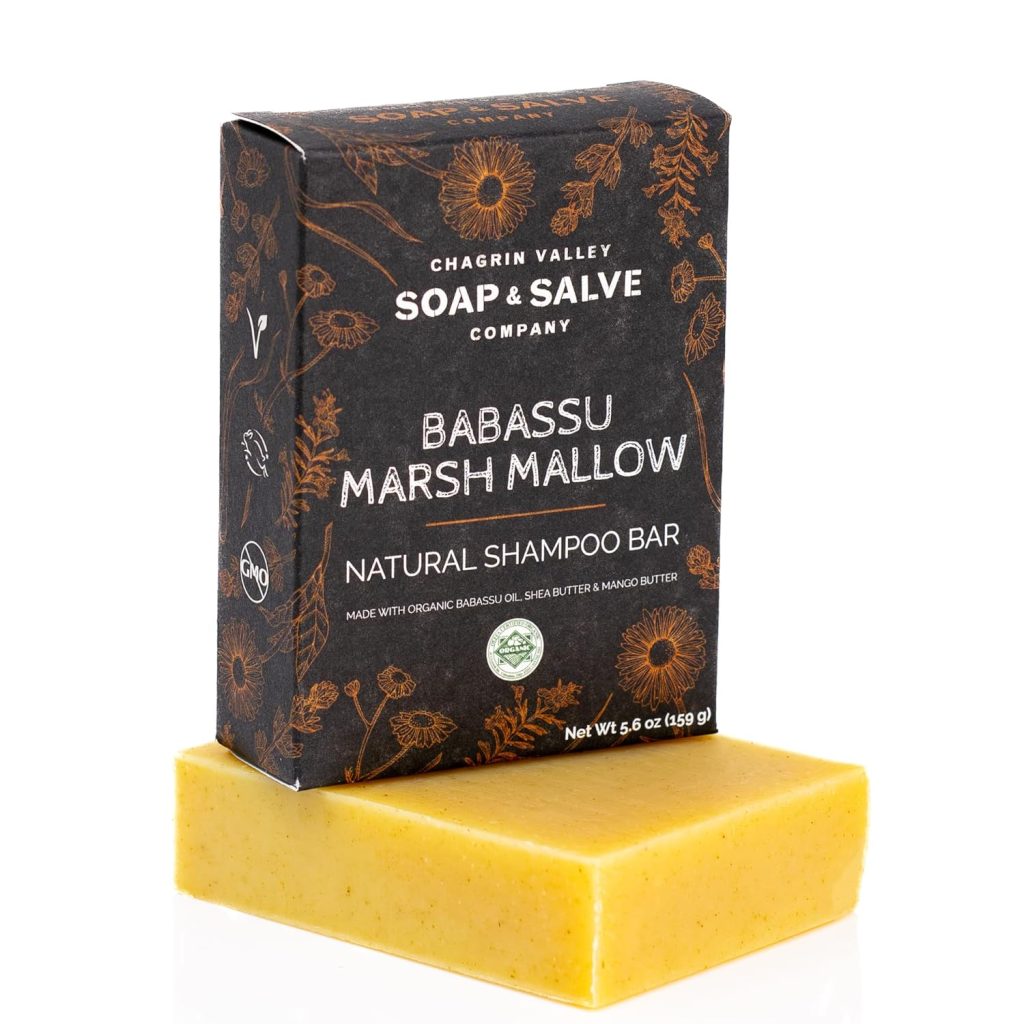
We spent this entire article warning you about the dangers of using traditional soap on your hair. However, if you are one of the lucky 15% of people who have genuinely soft water (or you have a whole-house water softening system installed), a true botanical soap bar can be a luxurious, hyper-natural experience.
- The Formulation: Chagrin Valley does not use lab-made surfactants. They use the traditional cold-process saponification method. Their bars are packed with organic botanical infusions, raw honey, and rich plant oils.
- The Experience: Because it is true soap, the lather is lighter and bubblier than a syndet bar. It will leave your hair feeling “squeaky” clean.
- Sustainability Check: They are a small, family-owned business operating out of Ohio. Their ingredients are fiercely organic, USDA certified, and packaged in simple recyclable paper boxes.
- The Warning: We cannot stress this enough. Do not buy this if you have hard water. You will hate it. But if you have soft water and want the purest, most minimally processed product available, Chagrin Valley is an artisan masterpiece.
The Logistics: How to Actually Store Your Bar
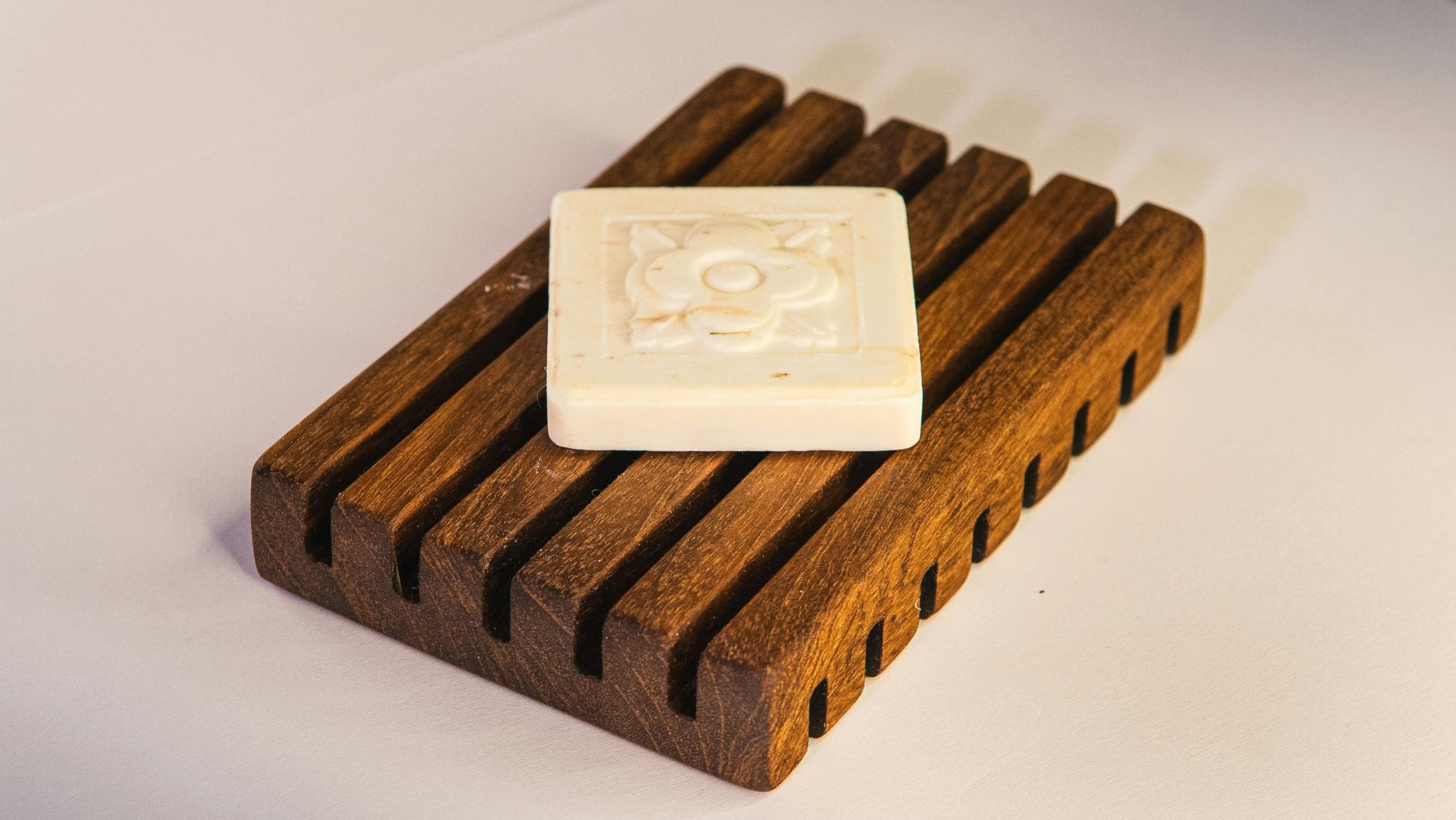
You spent the money. You bought the right chemical formulation. Now you need to protect your investment. The fastest way to ruin a plastic-free haircare routine is to let your bars sit in a puddle of water. Because these bars lack the synthetic hardeners found in cheap commercial soaps, they will turn into an expensive, mushy paste if left wet.
- Evacuate the Splash Zone: Never keep your bars on the floor of the shower or on a low shelf that gets hit by the shower stream.
- Invest in Airflow: A flat ceramic plate is a death sentence. You need a slotted wood dish or a silicone draining tray that allows air to circulate entirely underneath the bar.
- The Magnetic Miracle: The absolute best storage solution is a magnetic bar holder. You press a small metal disc into the soap and hang it from a magnetic arm attached to your shower wall. The bar is suspended in mid-air, drying rapidly and perfectly between every single wash.
Switching to solid haircare is no longer a fringe environmental experiment. The cosmetic chemistry has caught up to the ethical demand. By choosing pH-balanced syndet bars, demanding transparent supply chains, and refusing to settle for greenwashed plastics, you can achieve the best hair of your life while leaving the bottle behind.
The Hard Water Trap: The Chemistry Behind the Waxy Hair Feeling
To understand why your hair feels terrible, we need to look at the water coming out of your shower head.
Over 85% of households in the United States have hard water. Hard water is simply water that contains high levels of dissolved minerals, specifically calcium and magnesium. On its own, hard water is completely safe to drink and bathe in. The problem begins when hard water meets traditional, cold-process soap.
Saponification vs. Hair Health
For centuries, humans have made soap through a process called saponification. You mix a fat (like olive oil or coconut oil) with a strong alkali (like lye). The chemical reaction produces glycerin and soap. It is a beautiful, natural process. It is fantastic for washing your body. It is absolute poison for your hair.
Here is what happens when you rub a saponified soap bar on your head in a hard water shower:
- The Chemical Clish: The calcium and magnesium ions in your hard water instantly bind to the soap molecules.
- The Scum Creation: This binding creates a new substance called an insoluble salt. You probably know it by its common name: soap scum.
- The Cuticle Catastrophe: Human hair is covered in tiny, overlapping scales called the cuticle. Traditional soap is highly alkaline, usually sitting at a pH of 9 or 10. Human hair naturally thrives at a slightly acidic pH of 4.5 to 5.5. When highly alkaline soap touches your hair, it forces those delicate cuticle scales to blow wide open.
- The Final Result: The open cuticles act like microscopic hooks, catching and trapping the freshly formed soap scum.
That waxy, heavy, sticky feeling? That is literal soap scum cemented into your open hair cuticles. No amount of detoxing will fix this. The only way to remove it is an acidic rinse (like apple cider vinegar) to close the cuticle and dissolve the minerals. But frankly, nobody wants to smell like a salad dressing just to wash their hair.
The Syndet Solution: Modern Formulation Without the Plastic Waste
If traditional soap bars ruin our hair, what is the alternative? The answer lies in modern cosmetic chemistry. We need to embrace the “Syndet” bar.
Syndet stands for “synthetic detergent.” Before you panic at the word synthetic, remember that everything is a chemical. Water is a chemical. Syndets are not harsh, toxic stripping agents. In the context of modern eco-friendly haircare, syndets are sophisticated, plant-derived surfactants that have been formulated in a lab to mimic the performance of liquid shampoo without the water weight or the plastic bottle.
Why Syndet Bars Win
- pH Balanced: Unlike alkaline soap, syndet bars are formulated to match the natural acidic pH of your hair and scalp. This keeps your cuticles lying flat, smooth, and shiny.
- Mineral Resistant: Syndet surfactants (like Sodium Cocoyl Isethionate, commonly derived from coconuts) do not react with the calcium and magnesium in hard water. They lather beautifully and rinse completely clean, leaving zero soap scum behind.
- Targeted Treatment: Because they are formulated in a lab, chemists can add specific active ingredients like hydrolyzed rice protein for volume, hyaluronic acid for moisture, or salicylic acid for scalp exfoliation.
When you buy a high-quality syndet bar, you are buying the exact same active ingredients found in a $40 salon liquid shampoo. The only difference is the manufacturer stopped paying to ship water across the country in a plastic jug.
The Greenwashing Filter: Avoiding Hidden Plastics and Palm Oil
The sustainable beauty market is projected to reach over $60 billion by 2030. Where there is money, there is marketing manipulation. As you shop for solid haircare, you must actively filter out the greenwashing.
The 100% Natural Illusion
Many brands know that consumers are terrified of chemicals. They exploit this fear by marketing traditional, saponified soap as a “100% natural shampoo bar.” They slap a rustic kraft paper label on it and sell it at premium prices. As we just established, this will destroy your hair if you have hard water. They cover their tracks by telling unhappy customers they need to endure a month-long transition period. Do not fall for it. Check the ingredients. If you see terms like “saponified oils” or “sodium olivate,” it is soap.
The Hidden PVA Plastics
Some companies claim to sell plastic-free pods or bars that arrive wrapped in a magical, dissolvable film. This film is usually Polyvinyl Alcohol (PVA). While companies claim PVA is completely biodegradable, independent marine researchers continuously raise alarms. PVA requires very specific wastewater treatment conditions to break down entirely. When those conditions are not met, the film fragments and enters our waterways as a dissolved synthetic polymer. Stick to brands that use good, old-fashioned, home-compostable cardboard.
The Palm Oil Problem
Over 70% of the global cosmetics industry relies on palm oil or its derivatives. The mass farming of palm oil is a leading driver of global deforestation and habitat loss. Finding a shampoo bar that is truly palm-free is incredibly difficult, but it is a critical metric for true sustainability.
Frequently Asked Questions
1. What is the difference between a shampoo bar and regular soap? A true shampoo bar (known as a syndet bar) is formulated with synthetic, plant-derived detergents to match the natural acidic pH of your hair (around 4.5 to 5.5). Regular soap is created through saponification, resulting in a highly alkaline product (pH 9-10) that can damage the hair cuticle and leave a waxy residue in hard water.
2. Do shampoo bars work in hard water? Yes, but only if you choose a syndet (synthetic detergent) shampoo bar. Syndet bars use ingredients like Sodium Cocoyl Isethionate, which do not react with the calcium and magnesium in hard water. If you use a natural, cold-process soap bar in hard water, it will create insoluble soap scum that coats your hair.
3. How long does a plastic-free shampoo bar last? A high-quality, concentrated shampoo bar typically lasts between 50 to 80 washes. This is equivalent to roughly two to three standard 16-ounce bottles of liquid shampoo, depending on your hair length and how frequently you wash it.
4. Is there a transition period when switching to solid shampoo? If you purchase a pH-balanced syndet bar, there is absolutely zero transition period. Your hair will feel clean and soft after the very first wash. The “transition period” is a myth perpetuated by companies selling alkaline soap bars, attempting to explain away the waxy buildup caused by hard water reactions.
5. Are shampoo bars better for the environment than liquid shampoo? Yes. Shampoo bars eliminate the need for single-use plastic bottles, which rarely get recycled. Furthermore, liquid shampoo is up to 80% water. By removing the water, brands significantly reduce the weight and volume of the product, drastically lowering the carbon emissions associated with shipping.
6. Can I use a shampoo bar on color-treated hair? Absolutely. Many syndet shampoo bars are formulated without harsh sulfates (like SLS or SLES) that strip hair dye. Look for bars specifically labeled as color-safe or formulated for moisture, as these will gently cleanse the scalp without pulling out expensive salon color.
7. What is the best way to store a shampoo bar in the shower? Shampoo bars must be kept out of the direct water stream and allowed to dry completely between uses. The best storage methods include slotted wooden soap dishes, silicone draining trays, or wall-mounted magnetic soap holders that suspend the bar in the air.
8. Do plastic-free shampoo bars actually lather? Yes. Modern syndet bars produce a thick, rich, and luxurious lather that is often superior to diluted liquid shampoos. Ingredients like coconut-derived surfactants create massive bubbles with very little friction required.
9. Are shampoo bars safe for sensitive scalps? Many shampoo bars are excellent for sensitive scalps because they ditch the harsh preservatives and artificial fragrances necessary to keep liquid formulas shelf-stable. However, always check the ingredient list for essential oils if you have known botanical allergies.
10. How do I use a solid conditioner bar? Conditioner bars require warmth and friction to activate. You can either rub the bar vigorously between your wet hands to create a cream and apply it to your ends, or you can “paint” the wet bar directly down the lengths of your wet hair, combing it through with your fingers before rinsing.
This article contains affiliate links. As an Amazon Associate, Plastic Free Everything earns from qualifying purchases at no extra cost to you.